Table of Contents
3 Roses Meaning: The Universally Cherished Expression of ‘I Love You’
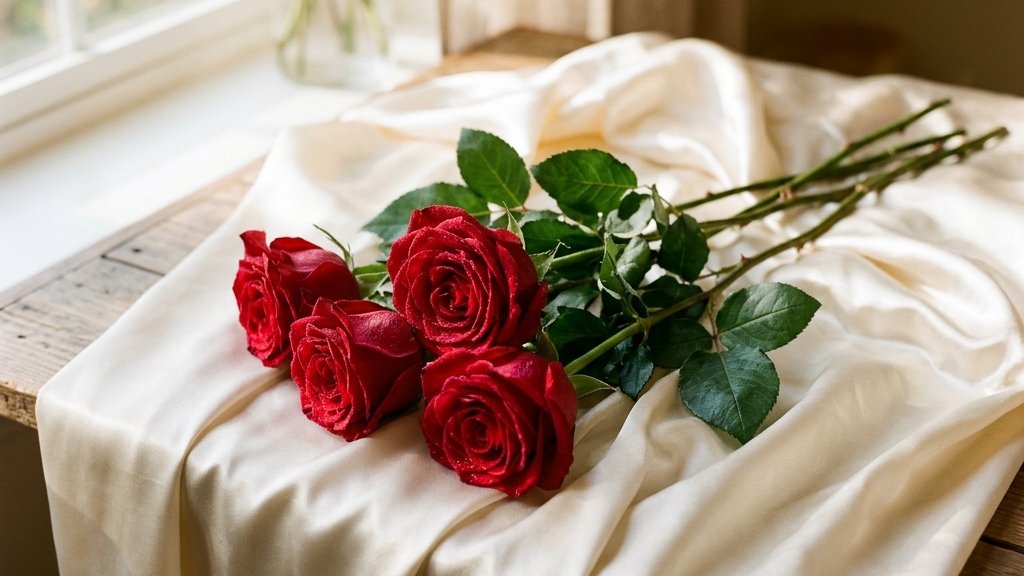
The 3 roses meaning: the universally cherished expression of ‘I love you’ is one of the clearest and most enduring messages in floral symbolism. A bouquet of three roses is compact enough to feel personal, yet expressive enough to communicate sincere romantic love. It is often interpreted as representing the three words “I love you,” with each individual stem carrying one word of the declaration.
Three roses can also symbolize the past, present, and future of a relationship. In that interpretation, the giver honors the memories already shared, celebrates the current bond, and expresses commitment to what lies ahead. This layered significance makes a three-rose arrangement suitable for new romances, established partnerships, anniversaries, reconciliations, and spontaneous gestures of affection.
Why Three Roses Mean “I Love You”
Flower symbolism has never been governed by a single global rulebook. Meanings developed through folklore, courtship customs, literature, religion, commercial floristry, and the Victorian language of flowers. Even so, the association between three roses and “I love you” has become remarkably consistent in modern gift-giving culture.
The symbolism works because both the number and the flower contribute to the message. Roses—particularly red roses—have long represented love, beauty, passion, and emotional devotion. The number three reinforces completeness and harmony. It appears repeatedly in storytelling, philosophy, and spiritual traditions as a balanced sequence: beginning, middle, and end; mind, body, and spirit; or past, present, and future.
Combined, these ideas turn three roses into a complete romantic statement. One rose can express focused admiration or love at first sight, as explored in 1 Rose Meaning: What Giving a Single Stem Truly Signifies Across Different Colors. Two roses often suggest reciprocity and partnership, reflected in 2 Roses Meaning: Deep Mutual Affection and the Union of Two Souls. The third stem adds the quality of declaration: the relationship is not merely acknowledged but emotionally affirmed.
The Core Interpretations of a Three-Rose Bouquet
The Three Words: “I Love You”
The best-known meaning is beautifully direct: one rose for “I,” one for “love,” and one for “you.” This makes three roses especially useful when spoken words feel difficult, when a written message would seem overly formal, or when the giver wants a visual gesture to reinforce a verbal declaration.
Because the bouquet is restrained rather than extravagant, it can feel more intimate than a large arrangement. Its emotional impact comes from precision. Nothing distracts from the central message, and every stem appears intentional.
Past, Present, and Future
For couples with an established history, three roses can represent a shared timeline. The first acknowledges the past, including memories and challenges. The second celebrates the relationship as it exists today. The third looks toward a future together.
This interpretation is particularly appropriate for anniversaries, engagements, vow renewals, or milestones after a difficult period. A short card explaining the three-part symbolism prevents the recipient from missing its deeper significance.
Love, Loyalty, and Commitment
Three roses may also communicate three qualities that sustain a relationship: affection, faithfulness, and continued commitment. This reading is useful when the gift is intended to express more than attraction. It says that the giver values emotional reliability as well as romance.
| Three-Rose Interpretation | Core Message | Best Occasion | Recommended Color |
|---|---|---|---|
| “I love you” | A direct declaration of romantic love | Date night, Valentine’s Day, spontaneous romance | Classic red |
| Past, present, future | Enduring love across time | Anniversary, engagement, vow renewal | Red or wine red |
| Affection and admiration | Warm, growing emotional interest | Early courtship or a new relationship | Pink |
| Unity and sincerity | Honest intentions and a meaningful bond | Wedding, reconciliation, remembrance | White |
| Joyful companionship | Happiness, support, and friendship | Birthday, congratulations, thank-you gift | Yellow |
How Rose Color Changes the Message
Three Red Roses
Three red roses are the definitive choice for a romantic “I love you.” Deep red petals traditionally signify passion, desire, courage, and committed affection. The combination is unmistakably intimate, so it is generally best reserved for a spouse, partner, or person with whom romantic intentions are clear.
Darker cultivars can make the gesture feel more mature and sophisticated. Burgundy and wine-colored blooms suggest depth, constancy, and cultivated elegance. Anyone seeking a richer alternative to bright scarlet can draw inspiration from Wine Red Rose Meaning: Sophistication, Devotion, and Timeless Elegance.
Three Pink Roses
Pink roses soften the declaration. Pale pink often expresses grace, sweetness, and gentle admiration, while darker pink conveys gratitude and appreciation. Three pink roses can therefore say “I care deeply for you” without the intense passion implied by red.
They are well suited to a developing romance, a heartfelt thank-you, or an affectionate gift for a family member. Their context matters: a romantic note will direct the meaning toward love, while a message of gratitude will emphasize appreciation.
Three White Roses
White roses symbolize sincerity, innocence, peace, reverence, and new beginnings. In a romantic setting, three white roses may communicate pure intentions or enduring spiritual love. They are particularly appropriate for weddings and engagements, where they can represent a truthful promise extending into the future.
White roses also appear in memorial settings. In that context, three stems should not automatically be interpreted as a romantic declaration; they may honor a person’s life, memory, and lasting influence.
Three Yellow, Orange, or Striped Roses
Yellow roses usually communicate friendship, optimism, and shared happiness. Orange roses introduce energy, fascination, and desire, creating a bridge between friendly warmth and red-rose passion. A mixed trio of yellow, orange, and red can visually describe affection developing into love.
Striped or variegated roses offer a more individualistic message. Their unusual petals can suggest delight, curiosity, and admiration for someone distinctive. The symbolism and breeding appeal of these flowers are examined in Striped Rose Meaning: Playfulness, Caprice, and Unique Horticultural Artistry. When chosen as a trio, they make the traditional message feel playful rather than ceremonious.
When to Give Three Roses
A three-rose bouquet is highly versatile, but its strongest occasions share one characteristic: emotional intimacy. It is substantial enough to look deliberate while remaining easy to carry, display, and preserve.
- An early romantic milestone: Give three roses after three dates, three months together, or another personally meaningful sequence.
- An anniversary: Use the past-present-future interpretation and explain it in a handwritten card.
- Valentine’s Day: Choose three premium red roses for a focused alternative to the conventional dozen.
- A proposal or promise: Present the flowers before the ring or gift so the trio establishes a theme of continued commitment.
- A reconciliation: Select white, blush, or red roses and accompany them with accountable, sincere words rather than relying on flowers alone.
- An ordinary day: A spontaneous trio often feels more genuine than an expected holiday arrangement because it is not prompted by convention.
Selecting a High-Quality Three-Rose Arrangement
With only three flowers, quality is highly visible. Look for straight, hydrated stems; clean foliage; firm petals; and buds that are beginning to open but are not fully expanded. Avoid roses with translucent petal edges, bent necks, dry sepals, or leaves showing black spots and yellowing.
Stem length affects presentation. Roses measuring approximately 40 to 50 centimeters create a relaxed, intimate bouquet, while 60- to 70-centimeter premium stems feel more formal and dramatic. The three flower heads should be similar in size unless an intentionally asymmetrical design is desired.
Simple wrapping usually serves the symbolism best. Matte paper, natural ribbon, or a narrow glass vase keeps attention on the trio. Excessive filler can blur the numerical message, although a small amount of eucalyptus, ruscus, or gypsophila may add texture without competing with the roses.
How to Make Three Roses Last Longer
Proper conditioning can extend vase life from only a few days to a week or longer, depending on cultivar and freshness. Use a clean vase because bacterial contamination blocks the stems’ water-conducting tissue.
- Trim 2 to 3 centimeters from each stem at a 45-degree angle with a clean, sharp blade.
- Remove every leaf that would sit below the waterline.
- Add commercial flower food according to its instructions rather than estimating the concentration.
- Replace the water and rinse the vase every one to two days.
- Keep the arrangement away from direct sun, radiators, drafts, and ripening fruit, which releases bloom-aging ethylene gas.
Making the Message Unmistakably Personal
Flowers communicate through shared convention, but personal context completes the meaning. Include a concise note such as, “One for our past, one for today, and one for everything still ahead.” For a direct declaration, three separate tags reading “I,” “love,” and “you” create a memorable presentation without requiring a large bouquet.
Ultimately, the power of three roses lies in disciplined simplicity. The arrangement does not attempt to impress through scale. Instead, it combines botanical beauty, numerical symbolism, and emotional clarity. Whether the trio represents three cherished words or a relationship spanning past, present, and future, it remains one of the most elegant ways to express love with confidence and sincerity.