Table of Contents
15 Roses Meaning: Sincere Apologies and Asking for Forgiveness with Grace
Fifteen roses can express something more difficult than romantic admiration: the willingness to admit, “I hurt you, and I want to make things right.” In contemporary bouquet symbolism, this number is often associated with regret, sincere apologies, and asking for forgiveness. It is a meaningful choice when affection remains but trust needs attention.
Yet flowers cannot do the work of accountability. Understanding 15 roses meaning: sincere apologies and asking for forgiveness with grace means considering not only the bouquet’s symbolism, but also its timing, presentation, and accompanying words. The most thoughtful arrangement makes room for the recipient’s feelings rather than demanding reconciliation.
What Do 15 Roses Mean?
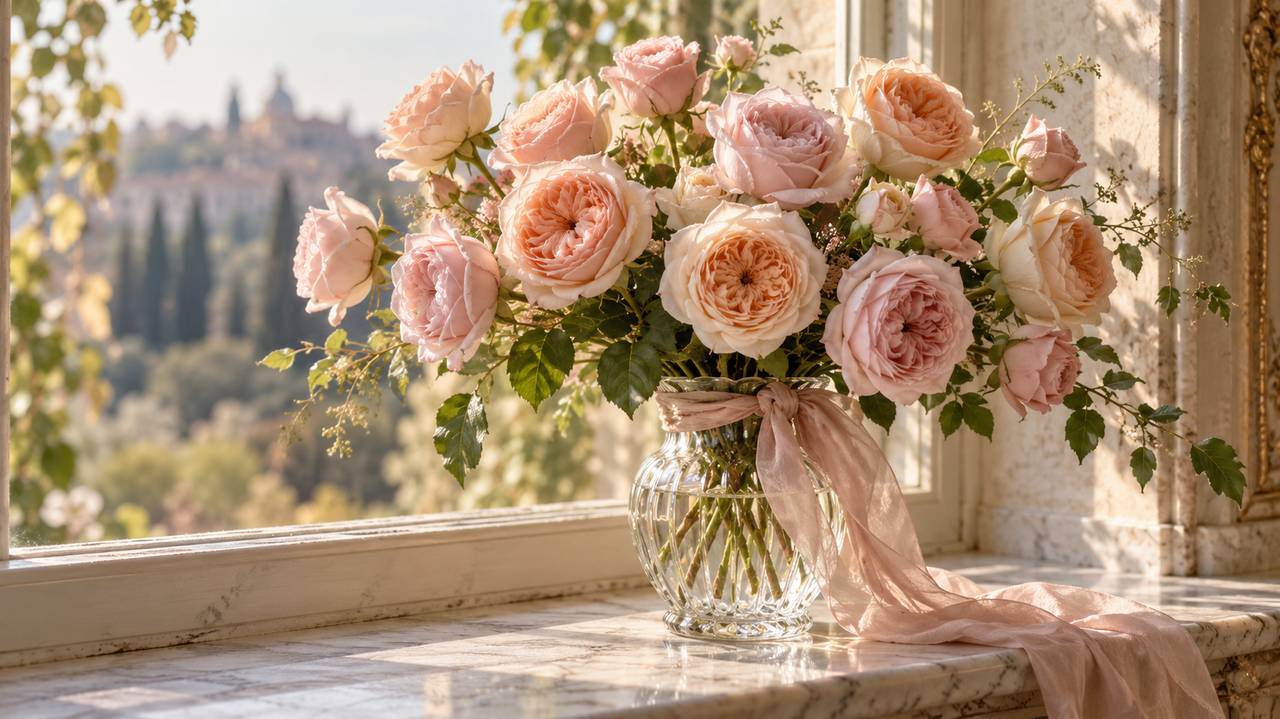
Many modern florists and rose-number guides interpret a bouquet of 15 roses as “I am sorry” or “Please forgive me.” Unlike a single rose’s simplicity or a dozen roses’ familiar romantic message, fifteen stems introduce a more specific intention: acknowledging that something between two people needs repair.
This interpretation is useful, but it is not universal. There is no internationally regulated dictionary assigning fixed meanings to rose counts. A recipient may see fifteen beautiful flowers without recognizing an apology at all. A clear, personal note therefore matters more than the numerical code.
Regret, Responsibility, and a Request—not a Demand
At its best, a fifteen-rose bouquet communicates three ideas: you recognize the hurt, value the relationship, and hope to repair the damage. It should not imply that spending money earns forgiveness. The recipient remains free to accept the flowers, decline them, ask for time, or decide against further contact.
That distinction separates a graceful apology from an attempt to purchase emotional relief. Flowers support the message; changed behavior establishes its credibility.
Where Does the Symbolism Come From?
Flowers have carried social and emotional meanings across many cultures. In nineteenth-century Europe and North America, published “language of flowers” books helped popularize floral messages, although their definitions frequently differed. Rose colors, varieties, presentation, and accompanying plants could all influence interpretation.
Specific rose-count meanings circulating today often belong to modern florist marketing and popular gift conventions. It would be misleading to describe fifteen roses as a universally recognized Victorian apology code. Its contemporary association with forgiveness is better understood as a flexible convention that becomes meaningful when both people understand the intention.
For comparison, 12 Roses Meaning: The Ultimate Classic Dozen Bouquet Symbolism and History explores a number more commonly connected with romantic devotion. Fifteen roses shift the emphasis toward acknowledging a mistake, provided your words make that purpose clear.
How 15 Roses Compare with Other Bouquet Counts
Number symbolism can help shape a gift, but it should never override personal preferences or cultural context. The following comparisons describe common contemporary interpretations rather than fixed rules.
| Rose Count | Common Contemporary Interpretation | Consideration When Apologizing |
|---|---|---|
| 10 roses | Perfection or complete admiration | Praise alone does not acknowledge harm. |
| 11 roses | Being treasured or especially valued | Affection needs an explicit apology alongside it. |
| 12 roses | Romantic love and devotion | May resemble a conventional romantic gift. |
| 13 roses | Friendship, secret admiration, or culturally variable associations | Its ambiguity makes a clear note especially important. |
| 15 roses | Apology, regret, and asking for forgiveness | Works best with accountability and practical repair. |
Ambiguous symbolism deserves particular care. As 13 Roses Meaning: Secret Admirers, Lifelong Friendship, or Cautionary Codes illustrates, the same count can suggest different messages. Never assume that the recipient shares your interpretation.
Choosing the Right Rose Color
White and Soft Pink: Gentle, Understated Options
White roses often suggest sincerity, peace, or a fresh beginning in contemporary Western gift traditions. Soft pink commonly conveys tenderness and appreciation. Either can suit an apology where you want warmth without overwhelming romantic intensity. However, white flowers also carry mourning associations in some cultures, so the recipient’s background matters.
Red: Appropriate When Romance Is Welcome
Red roses strongly suggest romantic love in many contexts. Fifteen red roses may suit an apology to a partner who welcomes romantic gestures. They are less suitable for a colleague, a platonic relationship, or an ex-partner who has asked for distance. Passion is not a substitute for listening.
Mixed Colors: Put Personal Preference First
A restrained pink-and-white arrangement can feel thoughtful, but the recipient’s favorite color is often a better guide than a symbolism chart. Yellow roses may suggest friendship today, yet older associations include jealousy. Black-looking roses are usually very dark cultivars or treated flowers, not a distinct naturally black rose category; their dramatic appearance can distract from a conciliatory message.
How to Choose and Order the Bouquet
Ask the florist for 15 individual rose stems if the count is central to your message. Standard roses generally provide one principal bloom per stem, while spray roses carry multiple smaller blooms. Fifteen spray-rose stems will therefore look very different from fifteen single-headed stems.
- Specify the count: Confirm that substitutions will preserve fifteen rose stems, even if greenery or filler flowers are included.
- Choose manageable proportions: Standard-length stems and a modest arrangement often feel less performative than an extravagant display.
- Check freshness: Look for firm stems, healthy foliage, and blooms without extensive browning or collapse; slightly open flowers are not automatically fresher than fully open ones.
- Consider practical needs: Ask about fragrance sensitivity, pets, vase availability, and delivery timing. Avoid lilies in mixed arrangements for households with cats.
For aftercare, use a clean vase, remove foliage below the waterline, recut stems with a clean sharp tool, and follow the flower-food instructions. Keep the bouquet away from heat, direct sun, and ripening fruit. Vase life varies with cultivar, handling, and room conditions.
What to Write with 15 Roses
A strong apology identifies the behavior, acknowledges its impact, and explains what will change. Avoid “I’m sorry you felt hurt,” which shifts attention away from your actions. Likewise, “I’m sorry, but…” often turns an apology into a defense.
For a Partner
“I am sorry I dismissed your concerns yesterday. I interrupted you and made you feel unheard. That was unfair. I will listen without interrupting, and I would welcome a conversation whenever you feel ready. You do not need to respond to these flowers.”
For a Friend
“I am sorry I shared something you told me privately. I broke your trust. I have asked the person I told not to pass it on, and I understand that this does not undo what happened. I will respect whatever space you need.”
Affection can accompany these words, but it should not replace them. The sentiment explored in 11 Roses Meaning: Declaring That the Recipient Is Truly Your Treasured One can support an apology only when being treasured is demonstrated through respectful behavior.
Timing, Delivery, and Boundaries
Send flowers after you have acknowledged the issue, or alongside a clear written apology when contact is welcome. Avoid workplace deliveries or public presentations unless you know they would be appreciated. An audience can make the recipient feel pressured to respond graciously before they are ready.
If someone has requested no contact, do not send roses through friends, relatives, or a florist. A gift is still contact. For serious harm, repeated dishonesty, or abusive behavior, flowers are not an adequate response; safety, restitution, sustained change, and appropriate professional support take priority.
Let the Apology Matter More Than the Number
Fifteen roses offer a thoughtful framework for saying sorry, not a formula for securing forgiveness. Unlike the idealized admiration discussed in 10 Roses Meaning: Telling Someone They Are Perfection and Complete in Your Eyes, an apology acknowledges imperfection honestly.
The most meaningful bouquet says: “I understand that I caused hurt, I am taking responsibility, and your response belongs to you.” Choose flowers with care, speak plainly, and follow through. That is how fifteen roses become more than a symbolic gesture—and how asking for forgiveness becomes an act of grace.