Table of Contents
Wine Red Rose Meaning: Sophistication, Devotion, and Timeless Elegance
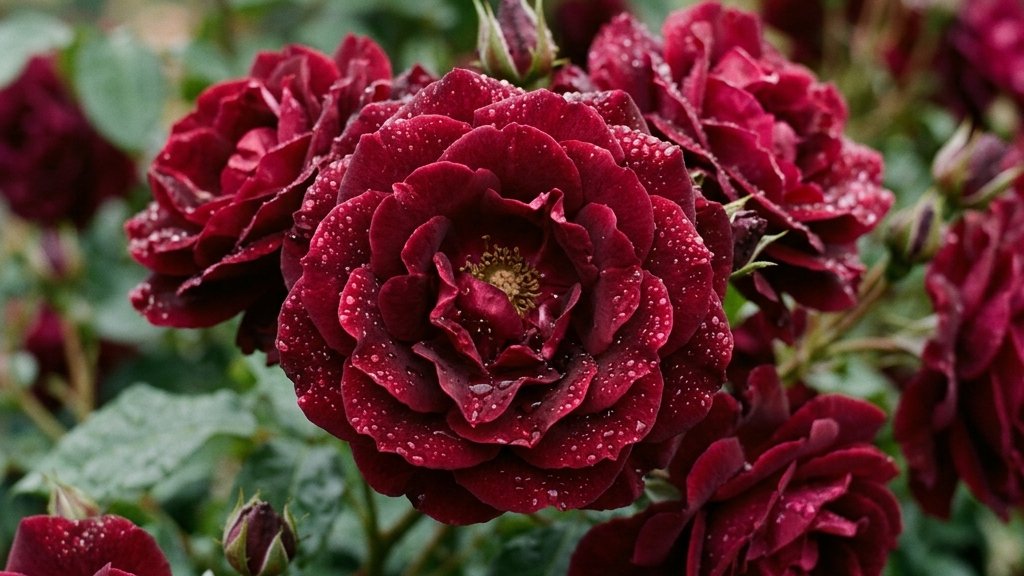
The wine red rose occupies a distinctive place in the language of flowers. Darker and more nuanced than the familiar scarlet rose, it suggests affection that has matured beyond first attraction. Its velvety burgundy, claret, or merlot-colored petals evoke sophistication, devotion, emotional depth, and timeless elegance. For that reason, wine red roses are especially appropriate when a bright red bouquet would feel too obvious or youthful.
Understanding the wine red rose meaning: sophistication, devotion, and timeless elegance requires more than identifying a single color. The symbolism emerges from the interaction of hue, flower form, cultural tradition, occasion, and presentation. A tightly furled burgundy rose can communicate restrained admiration, while a fully opened, fragrant bloom may represent enduring intimacy and complete trust. Even the foliage, wrapping, and accompanying flowers can change how the message is received.
What Does a Wine Red Rose Symbolize?
Wine red roses generally symbolize profound love, refined beauty, steadfast commitment, dignity, and passion tempered by experience. Their color retains the romantic energy associated with red, but introduces darker blue, brown, or purple undertones. Visually, this gives the flower a quieter and more contemplative character.
Where a vivid crimson rose often declares, “I desire you,” a wine red rose is more likely to say, “My affection is deep, serious, and enduring.” It therefore suits established relationships, milestone anniversaries, formal celebrations, and expressions of admiration in which elegance matters as much as romance.
- Sophistication: The complex, low-saturation color conveys discernment, polish, and mature taste.
- Devotion: Deep red tones suggest loyalty and a bond strengthened over time.
- Timeless elegance: Wine shades resemble velvet, antique textiles, fine leather, and aged wine, giving them an enduring rather than fashionable appeal.
- Emotional depth: The darkness of the petals implies feelings that are private, layered, and difficult to express casually.
- Respect and dignity: Burgundy roses can honor achievement, character, or a life well lived without losing their warmth.
Why the Color Feels So Meaningful
Color strongly influences floral interpretation. Wine red sits between classic red and the darker territory of burgundy, maroon, and near-black. Red contributes passion and vitality; purple undertones introduce nobility, mystery, and refinement; subtle brown notes create warmth and maturity. The resulting color feels rich but controlled.
The association with wine also matters. Wine is linked with patience, craftsmanship, celebration, hospitality, and improvement through age. A rose described as merlot, cabernet, claret, or port-colored inherits some of those qualities. It can imply that love, like a carefully made vintage, becomes more complex and valuable over time.
Lighting may alter the flower dramatically. In daylight, a cultivar may reveal crimson or magenta highlights. Under warm evening light, the same petals can appear velvety burgundy. Some varieties darken toward the outer guard petals, while others display a near-black center. These natural variations make wine red roses particularly expressive in photography, formal arrangements, and candlelit settings.
Wine Red Roses Compared with Related Colors
| Rose Color | Primary Meaning | Emotional Tone | Best-Suited Occasion |
|---|---|---|---|
| Bright red | Romantic love and desire | Direct, passionate, energetic | Valentine’s Day or a romantic declaration |
| Wine red | Devotion, sophistication, and enduring love | Mature, intimate, composed | Anniversaries, weddings, and refined gestures |
| Burgundy or near-black | Mystery, transformation, and solemn beauty | Dramatic, introspective, unconventional | Editorial designs, memorials, or dramatic events |
| Mauve | Enchantment, royalty, and restrained affection | Dreamlike, nostalgic, delicate | Elegant friendships or vintage-themed occasions |
| Deep pink | Gratitude and admiration | Warm, appreciative, gracious | Thank-you gifts and congratulations |
Color boundaries are not scientifically fixed in the floral trade. One grower’s dark red may be another florist’s burgundy. Buyers should therefore inspect actual blooms rather than depend entirely on cultivar photographs or marketing names. Those interested in softer purple-red symbolism can also explore Mauve Rose Meaning: Decadence, Victorian Royalty, and Subdued Affection, which examines a cooler and more nostalgic branch of the rose palette.
Historical and Cultural Context
Red roses have represented love for centuries, drawing on associations with beauty, blood, desire, and sacrifice. In classical mythology, the rose became connected with deities of love. Medieval and Renaissance art later used deep red flowers to express earthly passion, sacred suffering, or both, depending on the setting.
During the nineteenth century, floriography—the popular practice of assigning messages to flowers—made shade and presentation increasingly important. Although historical flower dictionaries did not always agree, darker roses commonly carried more serious implications than pale ones. A deep crimson or burgundy flower could suggest enduring beauty, unconscious beauty, mourning, or intense attachment. Modern wine red symbolism blends this historical gravity with contemporary ideas of luxury and cultivated taste.
Cultural context remains essential. Red is auspicious in many traditions, signifying joy, prosperity, or good fortune, while in others a very dark arrangement may seem solemn. The recipient’s background, the occasion, and the accompanying card should guide the choice. Floral symbolism is a language of suggestion, not a universal code.
When to Give Wine Red Roses
Anniversaries and Long-Term Relationships
Wine red roses are particularly effective for anniversaries because they convey love that has gained depth through shared experience. A dozen long-stemmed blooms makes a formal romantic statement, but a smaller garden-style arrangement can feel more personal. Combining open flowers with several buds represents both memories already made and experiences still to come.
Weddings and Formal Celebrations
In wedding design, wine red roses bring visual weight and ceremony. They work especially well in autumn and winter palettes with ivory, blush, antique gold, forest green, or muted plum. Their depth also anchors tablescapes in historic venues, libraries, vineyards, and candlelit dining rooms. For a more complex palette, flowers with contrasting edges or centers can introduce layered symbolism; Bi-Color Rose Meaning: Decoding the Symbolism of Petals with Two Distinct Hues explains how two colors can communicate duality, unity, or transition.
Professional Recognition and Milestones
A restrained arrangement of wine red roses can recognize a retirement, promotion, artistic achievement, or major birthday. In these settings, the flowers communicate esteem and distinction rather than overt courtship. Neutral foliage, sculptural branches, or a low ceramic vessel helps maintain a professional tone.
Sympathy and Remembrance
Dark red roses may express abiding love and respect at memorial services. Their use should be deliberate, as the same color can appear romantic in a different format. A wreath or mixed tribute with white flowers communicates remembrance more clearly than a hand-tied dozen. A thoughtful note removes ambiguity.
Botanical Characteristics and Cultivation
“Wine red” is a color description, not a formal botanical class. Roses displaying this shade may be hybrid teas, floribundas, grandifloras, shrubs, climbers, or old garden types. Hybrid teas generally produce high-centered blooms on long stems and are favored for cutting. Floribundas flower in clusters, while shrub roses often offer fuller growth, repeat flowering, and improved landscape value.
Petal pigmentation is largely influenced by anthocyanins, plant compounds whose expression depends on genetics and growing conditions. Temperature, light intensity, bloom age, soil health, and cellular chemistry can all affect perceived color. Cool conditions often produce deeper tones, whereas strong heat may cause some dark cultivars to fade, scorch, or shift toward brighter red.
- Provide at least six hours of direct sunlight, with afternoon protection in very hot climates.
- Use fertile, well-drained soil and maintain consistent moisture without waterlogging the roots.
- Allow adequate air circulation to reduce black spot, powdery mildew, and other fungal problems.
- Deadhead repeat-flowering varieties and prune according to rose class rather than applying one method to every plant.
- Choose cultivars for local disease resistance and climate performance, not color alone.
Gardeners should also expect variation between nursery images and mature plants. Screens, studio lighting, weather, and developmental stage can exaggerate darkness. A locally grown specimen observed in bloom provides the most reliable indication of real-world color.
Designing a Meaningful Arrangement
Presentation determines whether wine red roses feel romantic, ceremonial, rustic, or avant-garde. Ivory flowers soften their intensity and suggest unity. Blush tones add tenderness, while plum and mauve create a tonal, old-world composition. Eucalyptus, olive foliage, or glossy magnolia leaves provide structure without competing with the roses.
For contemporary arrangements, use fewer varieties and emphasize silhouette, negative space, and exceptional stems. For a more exuberant design, pair wine red roses with ranunculus, dahlias, scabiosa, or seasonal berries. Patterned petals create a less formal mood; the guide to Striped Rose Meaning: Playfulness, Caprice, and Unique Horticultural Artistry shows how variegation can transform a serious palette into something spirited and unexpected.
The number of stems can add another layer of meaning, although numerical traditions vary. A single wine red rose emphasizes singular devotion. Three can express a concise declaration of love, while twelve creates a classic, unmistakably formal gesture. More important than a rigid numerical rule is coherence between the flowers, occasion, and written message.
Caring for Cut Wine Red Roses
To preserve their velvety appearance, recut stems at an angle with a clean, sharp tool and remove leaves that would sit below the waterline. Place the roses in a thoroughly cleaned vase filled with fresh water and commercial flower food. Keep them away from direct sun, heating vents, ripening fruit, and strong drafts. Top up the water daily and replace it when cloudy.
Dark petals readily reveal bruising and dried edges, so handle each flower by the stem or sturdy base of the bloom. Outer guard petals may appear thicker or slightly discolored; florists sometimes remove them, but they naturally protect the inner flower during transport. Properly conditioned roses commonly provide several days of display, with vase life varying by cultivar, harvest stage, and storage history.
A Rose for Love with Depth
The enduring appeal of the wine red rose lies in its balance. It is passionate without being loud, luxurious without appearing frivolous, and traditional without feeling predictable. Its shades recall velvet, candlelight, mahogany, and mature wine—materials and experiences associated with patience, quality, and permanence.
Ultimately, the wine red rose meaning of sophistication, devotion, and timeless elegance makes this flower a powerful choice for relationships and occasions defined by substance. Whether planted in a garden, carried in a bridal bouquet, presented on an anniversary, or arranged as a dignified tribute, it communicates a simple but resonant idea: the deepest affection does not fade with time; it becomes richer.