Table of Contents
Mister Lincoln Rose: The Legendary Fragrant Crimson Hybrid Tea Icon
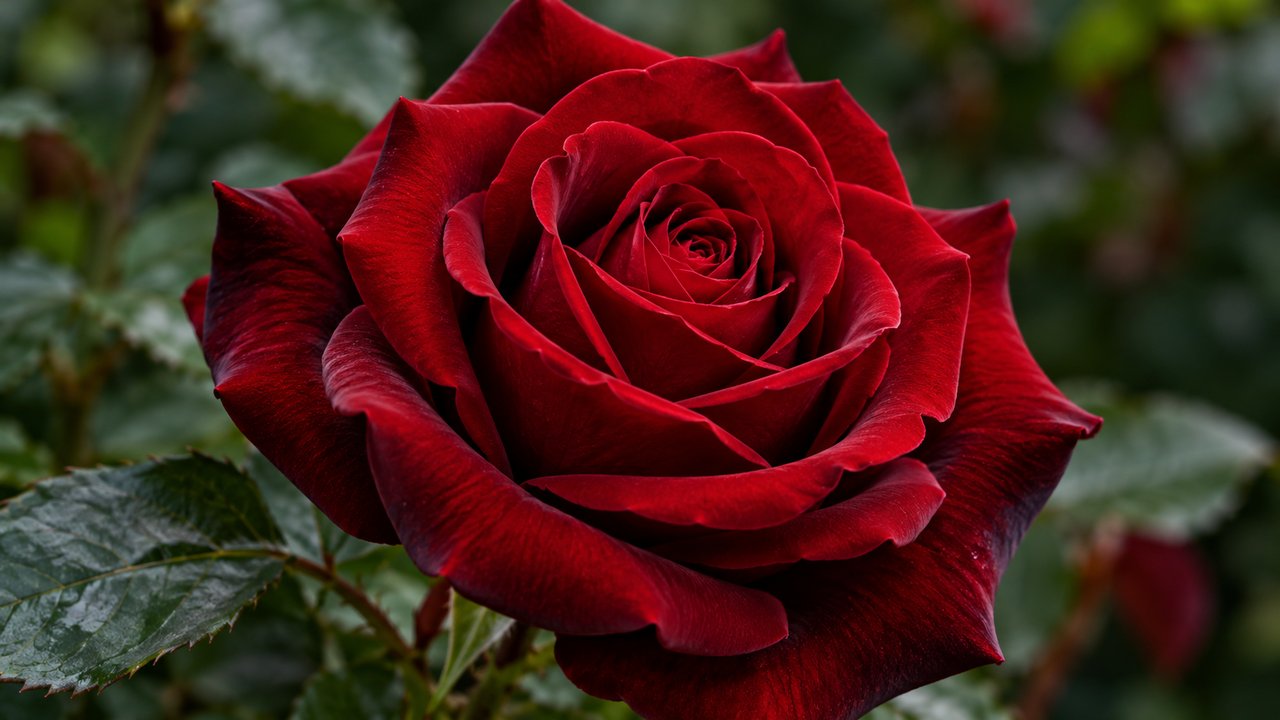
Few garden roses possess the theatrical presence of the Mister Lincoln rose. Its tall, elegant stems carry velvety crimson flowers whose exceptionally rich perfume can fill a room or drift across a summer garden. Introduced in the United States by rose breeders Herbert C. Swim and O. L. Weeks in 1964, and named an All-America Rose Selections winner in 1965, this hybrid tea quickly became an enduring standard against which fragrant red roses are measured.
Believed to have been named in honor of Abraham Lincoln, the cultivar combines stateliness with emotional depth. Its formal, high-centered blooms suggest dignity and discipline, while their dark red color communicates ardor, courage, and profound attachment. Botanically, it is a vigorous, repeat-flowering hybrid tea, traditionally identified as a cross between the red cultivars ‘Chrysler Imperial’ and ‘Charles Mallerin.’ Symbolically, it stands at the intersection of romantic love, public honor, remembrance, and moral strength.
Historical Origin and Botanical Character
The mid-twentieth century was a golden age for American hybrid tea roses. Breeders sought long stems, exhibition-quality form, repeat flowering, and vivid color, sometimes sacrificing fragrance in the process. The Mister Lincoln rose proved that formal beauty and powerful scent could coexist. Its perfume is commonly described as classic damask: sweet, warm, richly rosy, and subtly spicy.
Each pointed bud opens into a large, double bloom, often 4 to 6 inches across under favorable conditions. Petals usually begin as glowing crimson or cherry-red and deepen toward burgundy as the flower matures. The upright shrub commonly reaches 4 to 6 feet, although it may grow taller in warm climates. Flowers appear in repeated flushes from late spring until frost, making the plant valuable both as a garden focal point and as a source of cut stems.
Primary Meanings and Symbolism
Red roses have represented love for centuries, but this cultivar carries more gravity than a casual scarlet bouquet. Its color, fragrance, distinguished name, and commanding posture give it several closely related meanings:
- Deep romantic love: The dark crimson bloom expresses mature passion, fidelity, and a bond that has endured testing or time.
- Respect and admiration: Its dignified form makes it suitable for honoring a mentor, leader, veteran, or accomplished colleague.
- Courage and integrity: The Lincoln association can evoke steadfast principles, moral conviction, resilience, and service.
- Remembrance: Burgundy-red roses may acknowledge a love, influence, or sacrifice that remains emotionally present.
- Confident desire: A single long-stemmed bloom can communicate focused romantic interest more powerfully than an extravagant mixed arrangement.
Symbolism Across Eras and Cultures
In classical Mediterranean tradition, red roses were associated with Aphrodite or Venus and with love intensified by sacrifice. Medieval Christian imagery later connected the red rose with martyrdom, sacred love, and the blood of Christ. These traditions established its dual character: sensual yet solemn, beautiful yet conscious of mortality.
During the Victorian era, floriography transformed flowers into a nuanced social vocabulary. A red rose declared love, while deeper crimson could imply passionate commitment or mourning touched by devotion. Mister Lincoln did not yet exist, but its appearance perfectly suits that nineteenth-century visual language. Its upright buds convey restraint; the opening flower reveals emotion; and its lingering fragrance suggests memory.
In modern Western gifting, red roses are most closely associated with Valentine’s Day, anniversaries, proposals, and romantic reconciliation. In parts of Asia, red also signifies luck, celebration, prosperity, and marital happiness, making crimson roses appropriate for weddings when local custom welcomes them. However, symbolic meanings are never completely universal. Personal history, religion, family practice, and the accompanying message should guide interpretation.
| Presentation | Likely Meaning | Best Occasion | Styling Note |
|---|---|---|---|
| One long-stemmed bloom | Singular devotion or focused admiration | First declaration, intimate date, personal tribute | Present simply, with minimal foliage |
| Six crimson roses | Affection, desire, and growing commitment | Birthday or early anniversary | Use a low, refined collar of greenery |
| Twelve red roses | Complete romantic commitment | Valentine’s Day, proposal, milestone anniversary | Allow the blooms to dominate the arrangement |
| Red and white arrangement | Unity, enduring love, and reverence | Wedding, memorial, formal tribute | Keep the palette restrained and ceremonial |
| Garden-grown flowering plant | A living legacy and affection that continues | Retirement, housewarming, remembrance | Include planting and care instructions |
Shade, Maturity, and Bouquet Context
The meaning changes subtly with color and condition. A bright, newly opened crimson flower feels ardent and celebratory. A dark burgundy bloom appears more introspective, luxurious, and ceremonial. Fully open flowers suggest trust and emotional generosity, while tight buds imply anticipation or a feeling not yet completely expressed.
Companion colors also alter the message. Yellow brings warmth and companionship; understanding the yellow rose meaning helps distinguish a joyful mixed bouquet from an exclusively romantic one. White flowers add sincerity, peace, or sacredness, as reflected in traditional white rose symbolism. Champagne roses soften the crimson drama with refinement, gratitude, and understated celebration; the champagne rose meaning is especially appropriate for elegant anniversaries and formal dinners.
When and How to Gift Mister Lincoln Roses
Give these roses to a spouse or long-term partner for an anniversary, Valentine’s Day, or a private renewal of commitment. They are equally meaningful for someone whose courage, leadership, or integrity deserves recognition. A potted specimen can honor a gardener, retiree, history enthusiast, or family member establishing a memorial garden.
Modern etiquette favors intention over rigid numerical codes. Include a brief note explaining the gift, particularly outside a romantic setting. Avoid sending deep red roses anonymously in professional contexts, where they may be interpreted as an unwanted declaration. For hospitals or care facilities, confirm that fragrant flowers are permitted; Mister Lincoln’s scent can be too powerful for scent-sensitive recipients.
Crimson roses may appear at funerals, especially for a spouse, partner, veteran, or admired public figure, but cultural and family preferences come first. Consult guidance on roses for sympathy before choosing a strongly romantic color for a condolence arrangement. A red-and-white tribute generally reads as more reverent and communal than an all-red bouquet.
Companion Flowers and Styling
Because Mister Lincoln blooms are large, fragrant, and visually commanding, restraint produces the finest arrangements. Pair them with white garden roses, lisianthus, ranunculus, or tulips for formal contrast. Cream spray roses and champagne-toned flowers create a softer, antique mood. For texture, use restrained amounts of eucalyptus, Italian ruscus, myrtle, or glossy magnolia foliage.
A romantic garden-style bouquet can include burgundy scabiosa, dark sweet peas, and trailing jasmine, but strongly scented companions may compete with the rose’s perfume. For a modern arrangement, place three or five stems at different heights in a clear or matte ceramic vessel, leaving negative space around each bloom. Avoid excessive baby’s breath, glitter, dyed foliage, or dense wrapping that diminishes the cultivar’s naturally stately character.
Cultivation and Cut-Flower Care
Plant Mister Lincoln in a site receiving at least six hours of direct sun, preferably with morning light and good air circulation. It performs best in fertile, well-drained soil that remains evenly moist but never waterlogged. Water deeply at the base rather than wetting the foliage, mulch without covering the crown, and feed with a balanced rose fertilizer according to local growing conditions.
As a hybrid tea, it benefits from pruning in late winter or early spring, after the danger of severe cold has passed. Remove dead, weak, crossing, or diseased wood, then shorten healthy canes to encourage strong flowering stems. Watch for black spot, powdery mildew, aphids, and Japanese beetles. Sanitation, airflow, morning watering, and regionally appropriate integrated pest management are preferable to routine indiscriminate spraying.
For the vase, harvest when the sepals have folded back and the outer petals are beginning to loosen. Cut early in the morning with clean tools, recut stems at an angle, and remove all foliage below the waterline. Use a clean vase, fresh water, and commercial flower food. Change the water every one or two days and keep the arrangement away from direct sun, heating vents, and ripening fruit. Properly handled stems commonly remain attractive for about five to seven days.
A Rose of Presence and Principle
The Mister Lincoln rose endures because it offers more than handsome red flowers. It unites classic hybrid tea form, memorable damask fragrance, vigorous garden performance, and a name resonant with dignity. Whether given as a declaration of enduring love, arranged as a tribute to courage, or planted as a living memorial, it speaks with unusual clarity. Its deepest message is not fleeting passion alone, but devotion strengthened by respect, memory, and conviction.