Table of Contents
Queen Elizabeth Rose: The Regal Grandiflora That Defined Modern Gardening
Few roses unite royal history, horticultural innovation, and emotional grace as completely as the Queen Elizabeth rose. Introduced in the United States in 1954 by the celebrated hybridizer Dr. Walter E. Lammerts, this luminous pink cultivar was named in honor of Queen Elizabeth II, whose coronation had taken place the previous year. Its arrival was more than a commemorative gesture: the rose helped establish the grandiflora class, combining the shapely flowers and long stems of hybrid teas with the clustered blooming habit and vigor of floribundas.
The Queen Elizabeth rose soon became a defining plant of postwar gardens. Tall, upright, dependable, and generous in bloom, it suited the era’s enthusiasm for formal beds, civic landscapes, and optimistic displays of color. Emotionally, its clear pink flowers suggest admiration without infatuation, authority softened by kindness, and dignity expressed without coldness. It remains both a superb garden rose and a thoughtful floral symbol for people whose strength is matched by generosity.
Botanical Origin and Distinctive Character
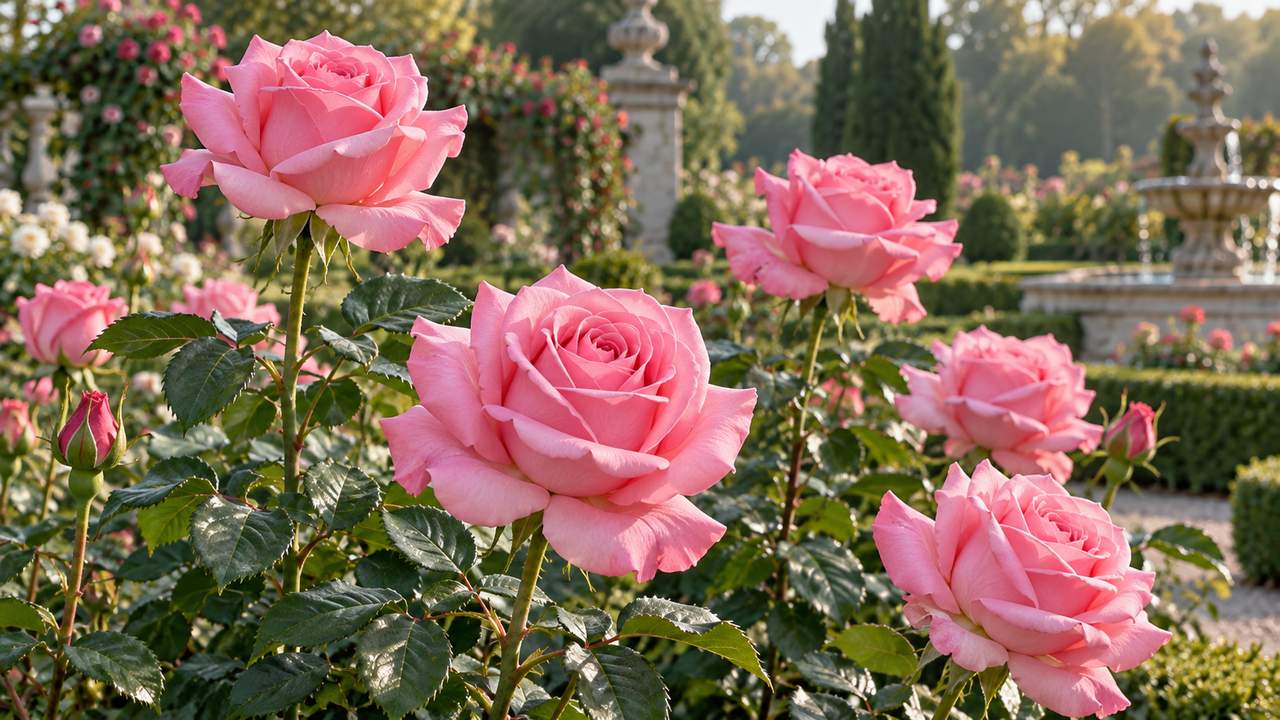
Queen Elizabeth was bred from the hybrid tea ‘Charlotte Armstrong’ and the floribunda ‘Floradora.’ This parentage explains its unusual combination of traits. Plants commonly grow approximately 5 to 7 feet tall in favorable climates, and sometimes higher, with a comparatively narrow, upright framework. Glossy, deep green leaves provide a handsome background for high-centered blossoms carried singly or in small clusters.
The flowers are generally medium to large, with roughly 30 to 40 petals and a clear, cool-to-medium pink coloration. Buds are elegant and pointed, while open blooms become broader and more relaxed. Fragrance is usually light rather than richly perfumed, so the cultivar’s distinction lies primarily in its form, color, scale, and garden performance. Repeat flowering continues in flushes from late spring into autumn when spent flowers are removed and the plant is well nourished.
Queen Elizabeth received major international recognition, including an All-America Rose Selections award in 1955. In 1979, the World Federation of Rose Societies inducted it into the Rose Hall of Fame as the “World’s Favourite Rose.” Its influence is also visible in later pink grandifloras and in the enduring popularity of tall roses planted as stately garden accents.
Meaning and Symbolism
Royal Dignity and Principled Leadership
The most immediate meaning of the Queen Elizabeth rose is regal dignity. Its tall growth and elevated flower clusters create a visual impression of composure and command. Unlike a red rose, however, it does not communicate passionate possession. Its pink color tempers authority with approachability, making it an excellent emblem of gracious leadership, public service, and strength exercised with restraint.
Admiration, Gratitude, and Respect
Pink roses have long conveyed esteem, sweetness, and appreciation. Queen Elizabeth adds a ceremonial dimension to these associations. It can honor a mentor, parent, teacher, community leader, or retiring colleague without sounding romantic. Its tone is more formal than a pale blush rose but gentler than deep crimson. Readers exploring the broader dark pink rose meaning will recognize the same vocabulary of gratitude, although Queen Elizabeth’s clearer pink places greater emphasis on dignity and balanced admiration.
Feminine Strength and Enduring Devotion
Named for a woman whose public life became associated with continuity and duty, the cultivar acquired meanings beyond traditional royalty. It can symbolize resilient femininity, steadfast commitment, and calm endurance through changing circumstances. Given to a mother, grandmother, spouse, or long-serving friend, it says, “Your constancy has shaped our lives.”
Remembrance and Farewell
Pink roses can express affectionate remembrance at funerals and memorials, especially when the deceased was known for kindness, service, or quiet courage. Queen Elizabeth is particularly appropriate for commemorating an elder, public servant, gardener, or admirer of British history. Because funeral traditions vary, consult guidance on roses for sympathy before sending flowers directly to a religious service or bereaved household.
Meanings by Context
| Context | Primary Message | Recommended Presentation |
|---|---|---|
| Birthday | Admiration, grace, and warm esteem | An abundant hand-tied bouquet with seasonal foliage |
| Anniversary | Mature affection and enduring partnership | Pair with ivory roses and delicate jasmine |
| Retirement or award | Respect for leadership and service | A structured arrangement in a ceramic vessel |
| Memorial | Loving remembrance and honorable farewell | Combine with white lilies or restrained greenery |
| Plant as a gift | A living tribute intended to endure | Present with a handwritten note and care instructions |
Shade, Number, and Cultural Nuance
Color varies with weather, soil, flower age, and growing conditions. Newly opened blooms may appear medium pink, while mature petals often soften toward shell pink. Deeper flowers communicate energetic gratitude and praise; paler blooms feel tender, nostalgic, and contemplative. Creamy outer petals introduce a note of refinement rather than changing the essential meaning.
The number of stems can sharpen the message. One bloom offers singular admiration, while three can suggest a complete declaration of affection or the progression of past, present, and future. The symbolism behind the three roses meaning makes a trio especially suitable for anniversaries. A dozen feels ceremonial and generous, while a garden plant conveys longevity more naturally than any cut bouquet.
In British contexts, the royal name may evoke national history, continuity, and remembrance of Elizabeth II. Elsewhere, recipients may respond primarily to the universal associations of pink roses: elegance, gratitude, and affectionate respect. Royal symbolism should never be presumed to carry the same emotional or political meaning for everyone. When cultural sensitivity matters, let the accompanying note emphasize the recipient’s grace or achievements rather than monarchy itself.
When and How to Give Queen Elizabeth Roses
- For mentors and leaders: Give them after a promotion, retirement, successful project, or lifetime achievement.
- For family: They suit milestone birthdays, Mother’s Day, anniversaries, and tributes to a beloved elder.
- For romance: Use them when the desired tone is loyal admiration rather than intense new passion.
- For remembrance: Choose a restrained arrangement and include a brief, sincere condolence message.
- For gardeners: A healthy potted or bare-root plant is an enduring housewarming, wedding, or commemorative gift.
Modern etiquette favors clarity. Include a card so the recipient does not have to guess whether the gesture is romantic, congratulatory, or memorial. Avoid sending strongly symbolic flowers anonymously. Before giving a living rose, confirm that the recipient has suitable outdoor space and enjoys plant care. For hospitals and care homes, check policies concerning flowers, fragrance, containers, and infection control.
Companion Flowers and Bouquet Styling
Queen Elizabeth blooms work beautifully with ivory garden roses, white lisianthus, blush ranunculus, delphinium, snapdragons, and airy stems of waxflower. Silver eucalyptus cools the palette, while myrtle contributes a historic association with love and marriage. For a formal arrangement, emphasize height with delphiniums and use only a few foliage varieties. For a romantic garden style, allow stems to move naturally among sweet peas and trailing jasmine.
Because Queen Elizabeth has a lighter scent, it can be combined with fragrant flowers without creating an overwhelming bouquet. Roses inspired by old-fashioned forms, including David Austin English roses, add perfume and a fuller, cupped silhouette. Use them selectively so they complement rather than obscure the grandiflora’s elegant, high-centered form.
Growing and Cut-Flower Care
Plant Queen Elizabeth in a position receiving at least six hours of direct sun, with good air circulation and fertile, well-drained soil. Water deeply at the base rather than sprinkling the foliage, and apply organic mulch while keeping it away from the crown. Feed after growth begins in spring and during the blooming season according to local climate and product directions. Stop late feeding where tender new growth could be damaged by frost.
Prune in late winter or early spring as appropriate for the region, removing dead, weak, damaged, or crossing stems. Because this cultivar naturally grows tall, avoid forcing it into an excessively low shape. Deadhead to a strong outward-facing leaf to encourage repeat bloom. Monitor for black spot, powdery mildew, aphids, and spider mites; sanitation, spacing, and appropriate watering provide the best first defense.
For the vase, cut stems in the cool morning when buds are colored and beginning to loosen. Use clean shears, remove foliage below the waterline, and place stems promptly in fresh water with floral preservative. Recut the stems at an angle, refresh the water every one or two days, and keep the arrangement away from direct sun, heat, and ripening fruit. With attentive care, blooms commonly remain attractive for about five to seven days.
A Living Emblem of Grace
The Queen Elizabeth rose is more than a famous pink flower. It marks a pivotal moment in rose breeding, embodies the practical strengths of the grandiflora class, and carries a layered language of admiration, service, resilience, and dignified affection. Whether planted as a towering garden specimen, arranged for a milestone, or offered in remembrance, it communicates esteem with exceptional poise. Its enduring appeal rests on that rare balance: regal enough for ceremony, warm enough for intimacy, and vigorous enough to become part of everyday garden life.