Table of Contents
Baby Pink Rose Meaning: Innocent Wonder, New Beginnings, and Gentle Care
The baby pink rose carries one of the softest and most nuanced messages in floriography. Its pale, luminous color suggests innocent wonder, budding affection, grace, reassurance, and the quiet promise of a new beginning. Unlike red roses, which traditionally declare passionate love, or deeper pink roses, which communicate emphatic gratitude and admiration, baby pink roses speak gently. They express feelings that are sincere but not demanding: “I am thinking of you,” “You are cherished,” “This moment is precious,” or “May this new chapter be filled with happiness.”
Historically, pink roses have especially deep botanical significance. Many wild and early cultivated roses naturally flowered in shades of pink, making pink one of the oldest colors associated with the genus Rosa. Ancient Mediterranean, Persian, Chinese, and later European garden traditions all prized pink-flowering roses, although their meanings varied by place and period. The exceptionally pale shades now described as baby pink became more widely available as selective breeding produced repeat-flowering garden roses and refined florist cultivars with consistent coloring, long stems, and improved vase life.
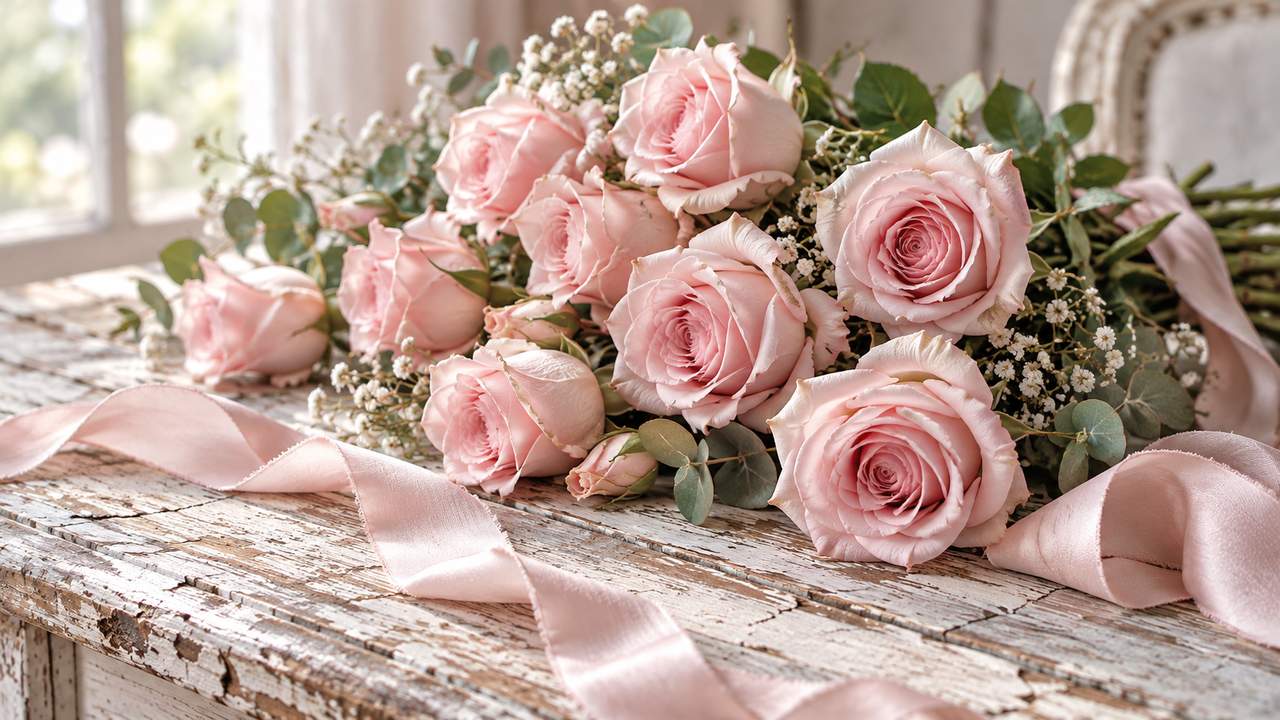
In floral symbolism, baby pink occupies a delicate position between white and classic pink. It borrows innocence and serenity from white while retaining pink’s warmth, tenderness, and human affection. This balance makes it remarkably versatile: romantic without being intense, celebratory without appearing extravagant, and comforting without feeling somber.
What Is the Primary Baby Pink Rose Meaning?
The primary baby pink rose meaning is gentle affection joined with innocence, hope, and admiration. The color evokes the first blush of dawn, the vulnerability of new life, and the sweetness of feelings that are only beginning to unfold. It is frequently connected with babies, young romance, close friendship, emotional healing, and life transitions that deserve quiet encouragement.
Innocent Wonder
Baby pink roses symbolize an openhearted sense of wonder. Their color has a youthful quality, but this does not limit them to children or youthful recipients. Instead, “innocence” can describe sincerity without calculation: delight in a new relationship, gratitude for an unexpected kindness, or renewed appreciation for someone familiar. A bouquet of pale pink roses may therefore honor a person whose warmth, optimism, or gentleness brings freshness to everyday life.
New Beginnings
The gradual opening of a rosebud makes every rose a natural symbol of potential. In baby pink, this symbolism becomes especially tender. The flower suits beginnings that are hopeful but still delicate: a birth, adoption, engagement, new home, first job, creative venture, reconciliation, or return to health. Where bolder colors announce achievement, baby pink recognizes the courage required to begin.
Gentle Care and Emotional Support
Baby pink roses can communicate compassion without the solemnity sometimes associated with white flowers. They are appropriate when someone needs encouragement, rest, or reassurance. Their message is not “be strong” so much as “you are cared for while you recover.” This distinction makes them valuable in get-well arrangements, sympathy gestures, and bouquets for people experiencing emotional strain.
Grace, Admiration, and Sweetness
Pale pink roses have long represented grace, refinement, and admiration. They compliment the recipient without implying possession or expectation. In modern gifting, they can honor a mentor, parent, sibling, colleague, host, teacher, or friend. They are also romantic when accompanied by an intimate note, but their romantic meaning remains softer than the unmistakable declaration made by red roses.
Historical and Cultural Interpretations
Roses accumulated symbolic meanings over thousands of years. In the ancient Mediterranean world, the rose was associated with beauty, love, festivity, mortality, and divine figures including Aphrodite and Venus. Surviving texts and artworks do not assign every modern commercial shade a fixed meaning, but pink roses broadly participated in this rich association with beauty and affection.
In Chinese horticultural history, roses were valued both as garden plants and as sources of fragrance and medicinal material. Chinese rose species, particularly Rosa chinensis, later transformed European breeding by contributing repeat-flowering characteristics. This botanical exchange helped create many of the cultivated roses through which modern color symbolism is expressed.
During the nineteenth century, European and American interest in coded floral communication became fashionable. Gift books assigned sentiments to flowers, although definitions were not completely standardized and could differ between editions. Pink roses generally conveyed happiness, elegance, admiration, or tender love. Readers exploring the Victorian language of flowers should therefore treat it as a flexible social vocabulary rather than a single universal code.
In contemporary Western floristry, baby pink roses are strongly associated with baby celebrations, bridal flowers, spring events, romance, and gratitude. In Japan, pale pink flowers may evoke refinement, gentleness, and the fleeting beauty associated with spring blossoms. Across many East Asian settings, however, the meaning of a gift is also shaped by number, presentation, status, and local etiquette. In parts of South Asia and the Middle East, pink roses commonly appear in weddings, hospitality displays, religious festivities, and family celebrations, where they can suggest joy, generosity, and affectionate respect.
No flower meaning is culturally absolute. Personal experience, religious tradition, event type, and even wrapping color can alter the message. For international gifting, a short written note is the best way to clarify intention.
Shade Variations and Their Emotional Nuance
Florists may use “baby pink” for several nearby tones, from nearly white blush to cool shell pink. Because color is one of the strongest elements in floral communication, subtle differences matter. A broader guide to rose color meanings can help distinguish pale pink’s quiet tenderness from the gratitude of medium pink, the enthusiasm of hot pink, or the passion of red.
| Rose Shade or Presentation | Primary Meaning | Best Uses | Emotional Tone |
|---|---|---|---|
| Pink-tinted white | Purity, peace, tender remembrance | Weddings, sympathy, spiritual milestones | Serene and understated |
| Classic baby pink | Innocent wonder, new beginnings, gentle care | Births, new relationships, encouragement | Sweet, hopeful, and affectionate |
| Cool shell pink | Poise, elegance, thoughtful admiration | Mentors, professional thanks, formal events | Polished and restrained |
| Warm blush pink | Fondness, warmth, affectionate gratitude | Hosts, friends, anniversaries, family | Welcoming and personal |
| Baby pink rosebuds | Potential, youth, feelings beginning to bloom | Graduations, engagements, first dates | Fresh and anticipatory |
| Fully open baby pink roses | Trust, generous affection, beauty fulfilled | Anniversaries, appreciation, elegant displays | Abundant and heartfelt |
Occasion Guide: When and to Whom Should You Give Baby Pink Roses?
Births, Adoptions, and Baby Showers
Baby pink roses naturally celebrate new life, but they need not be restricted by the child’s gender. They can represent universal tenderness, parental love, and wonder at a family’s new chapter. For homes with newborns, choose low-fragrance varieties when possible, keep flowers beyond the baby’s reach, and avoid arrangements with loose decorative pieces.
New Romance and Early Dates
For a developing relationship, baby pink roses show genuine interest without the intensity of red. A small bouquet of three, five, or seven stems feels considered rather than overwhelming. Include a direct note such as, “I have loved getting to know you.” The words prevent the pale color from being mistaken for purely platonic affection.
Friendship, Gratitude, and Mentorship
These roses are ideal for thanking a friend, teacher, caregiver, colleague, or mentor. They communicate admiration while preserving appropriate boundaries. For workplace gifting, use an airy mixed arrangement rather than a dramatic dozen long-stemmed roses, which may be interpreted as romantic.
Graduations, New Jobs, and Housewarmings
Because pale pink represents hopeful beginnings, it suits graduations, promotions, relocations, and new ventures. A potted miniature rose can be especially meaningful for a recipient who enjoys gardening: it turns a transient bouquet into a living emblem of growth.
Get-Well and Sympathy Gestures
Baby pink roses offer soft reassurance during illness or grief. For hospitals, first confirm that flowers are allowed, as intensive care, oncology, and allergy-sensitive areas may restrict them. In sympathy arrangements, pair pale pink with cream and white for peaceful remembrance. Avoid overly festive wrapping, glitter, or strongly scented companions.
Weddings and Anniversaries
In weddings, baby pink roses suggest tenderness, trust, and a love still capable of wonder. They work beautifully in bridal bouquets, ceremony arches, and low reception arrangements. For anniversaries, they can recall courtship and express continuing gentleness, particularly when mixed with a few deeper pink blooms to represent affection that has matured over time.
Modern Etiquette and Bouquet Context
Meaning comes from the whole gift, not color alone. Stem count, flower condition, arrangement style, delivery setting, and message card all influence interpretation. A single immaculate baby pink rose can express quiet admiration; a hand-tied garden bouquet feels intimate and spontaneous; two dozen formal stems make a much more luxurious declaration.
- Choose fresh, unblemished flowers. Damaged petals can unintentionally make a caring gesture feel neglected.
- Add a brief message whenever the relationship or occasion could make the symbolism ambiguous.
- Respect fragrance sensitivities, pet safety, religious customs, and workplace policies.
- Do not assume baby pink is only appropriate for women, girls, or romantic partners; its themes are widely applicable.
- For formal cross-cultural gifting, ask a local florist about number symbolism, funeral associations, and customary wrapping.
- At a memorial, favor muted greenery and restrained presentation rather than bright ribbons or celebratory accessories.
Companion Flowers and Bouquet Styling
Baby pink roses are visually adaptable because their low-saturation color works with both cool and warm palettes. For a cloudlike romantic arrangement, combine them with white ranunculus, ivory spray roses, pale lisianthus, sweet peas, or delicate gypsophila. The result emphasizes innocence and softness, making it suitable for weddings, christenings, and baby celebrations.
For a more natural garden style, add feverfew, astrantia, waxflower, scabiosa, or flowering herbs, then loosen the outline with jasmine vine or delicate greenery. Eucalyptus adds a cool, silvery tone, while ruscus creates cleaner structure. Use greenery selectively: too much heavy foliage can overpower pale petals.
Warm cream, peach, and apricot companions make baby pink feel welcoming and sunlit. Apricot roses add hospitality and mature affection; understanding the apricot rose meaning can help create a bouquet that says both “you are cherished” and “you are warmly welcome.” Butter-yellow accents introduce optimism, while burgundy foliage creates a sophisticated autumnal contrast.
For modern styling, arrange a single rose variety in a low ceramic vessel and allow negative space between groups of blooms. For an editorial look, combine baby pink roses with rust-colored anthuriums, smoky grasses, or sculptural branches. Keep the rose as the emotional focal point rather than burying it among too many competing flower forms.
Botanical Selection and Vase Care
Florist roses are cultivars selected for traits such as stem length, petal count, color consistency, transport tolerance, and vase performance. Baby pink flowers may come from hybrid tea, floribunda, spray, garden-style, or miniature rose types. Hybrid teas typically offer one large bloom per stem; spray roses carry several smaller blooms and convey abundance; garden roses often have cupped, densely petaled forms and a more romantic appearance.
When buying cut roses, look for firm stems, fresh green sepals, and buds that have begun to loosen but are not fully open. Some cultivars naturally display darker or slightly bruised-looking outer petals called guard petals. These protect the inner bloom during transport and may be removed carefully if damaged, though retaining healthy guard petals can help the flower open naturally.
- Wash the vase thoroughly to reduce bacteria, one of the main causes of premature wilting.
- Remove all foliage that would sit below the waterline.
- Recut 1 to 2 centimeters from each stem at an angle with a clean, sharp knife or pruners.
- Use fresh room-temperature water and properly measured commercial flower food.
- Change the water, rinse the vase, and recut the stems every two days.
- Keep the arrangement away from direct sun, radiators, drafts, and ripening fruit, which releases flower-aging ethylene gas.
With good care, many florist roses remain attractive for approximately five to ten days, although cultivar, harvest stage, transport, and room temperature all matter. If a rose droops at the neck, recut the stem and place it in clean water in a cool location. Recovery is not guaranteed, particularly if vascular blockage or advanced dehydration has occurred.
Growing Baby Pink Roses
In the garden, select a cultivar suited to the local climate rather than relying on color alone. Disease resistance, mature size, flowering habit, winter hardiness, fragrance, and heat tolerance determine long-term success. Most roses perform best with at least six hours of direct sunlight, fertile but well-drained soil, and consistent deep watering.
Water at soil level to limit prolonged leaf wetness, and allow enough spacing for air circulation. Mulch helps moderate soil temperature and conserve moisture, but it should not be piled against the canes. Pruning requirements differ among repeat-flowering shrubs, climbers, ramblers, and once-blooming old garden roses, so identify the rose class before making major cuts. Where black spot, powdery mildew, or pests are common, use sanitation, resistant cultivars, and locally appropriate integrated pest-management guidance.
Petal color can change with weather and bloom age. Cool conditions may intensify pink pigments, while strong heat and sunlight can fade a flower toward cream. This variation is not necessarily a defect; it often gives a garden rose its distinctive, living character.
Preserving the Sentiment
A meaningful bouquet can become a keepsake. Air-drying works well for roses harvested before they are fully open, although pale pink petals may darken or become muted. Silica gel usually preserves three-dimensional form and color more effectively, while pressing creates flat flowers suitable for framed art, cards, or journals. Following a careful drying roses technique helps reduce browning and protects fragile petals from moisture.
Keep preserved roses away from humidity, direct sunlight, and frequent handling. Even well-preserved flowers naturally fade over time, a quality that can deepen their symbolism: the object changes, but the memory attached to it remains.
A Gentle Message with Lasting Depth
The baby pink rose meaning centers on innocent wonder, new beginnings, gentle care, graceful admiration, and affection without pressure. Its strength lies in restraint. It can celebrate a newborn, encourage a friend, honor a mentor, soften a romantic message, welcome someone home, or offer comfort during a difficult season.
To give baby pink roses thoughtfully, consider the exact shade, stage of bloom, companion flowers, cultural setting, and recipient’s preferences. Pair the bouquet with honest words, care for the stems properly, and let the flowers communicate what pale pink expresses so beautifully: tenderness is not a lesser emotion, but a quiet and enduring form of strength.