Table of Contents
Magenta Rose Meaning: Artistic Inspiration, Emotional Balance, and Vitality
Magenta roses occupy a fascinating place between the sweetness of pink and the intensity of purple-red. Their color feels romantic without appearing delicate, dramatic without becoming solemn, and unconventional without losing the rose’s timeless elegance. The central magenta rose meaning combines artistic inspiration, emotional balance, vitality, admiration, and mature affection. These flowers are especially suited to relationships and occasions that resist simple labels.
Unlike red, white, and pale pink roses, magenta roses do not possess a single, continuous symbolism stretching back to antiquity. The color name “magenta” emerged in Europe during the nineteenth century, following the development of vivid synthetic dyes. It was named after the 1859 Battle of Magenta in northern Italy. Roses displaying comparable tones existed before the name, but Victorian florists would often have described them as crimson, deep rose, carmine, or purplish pink.
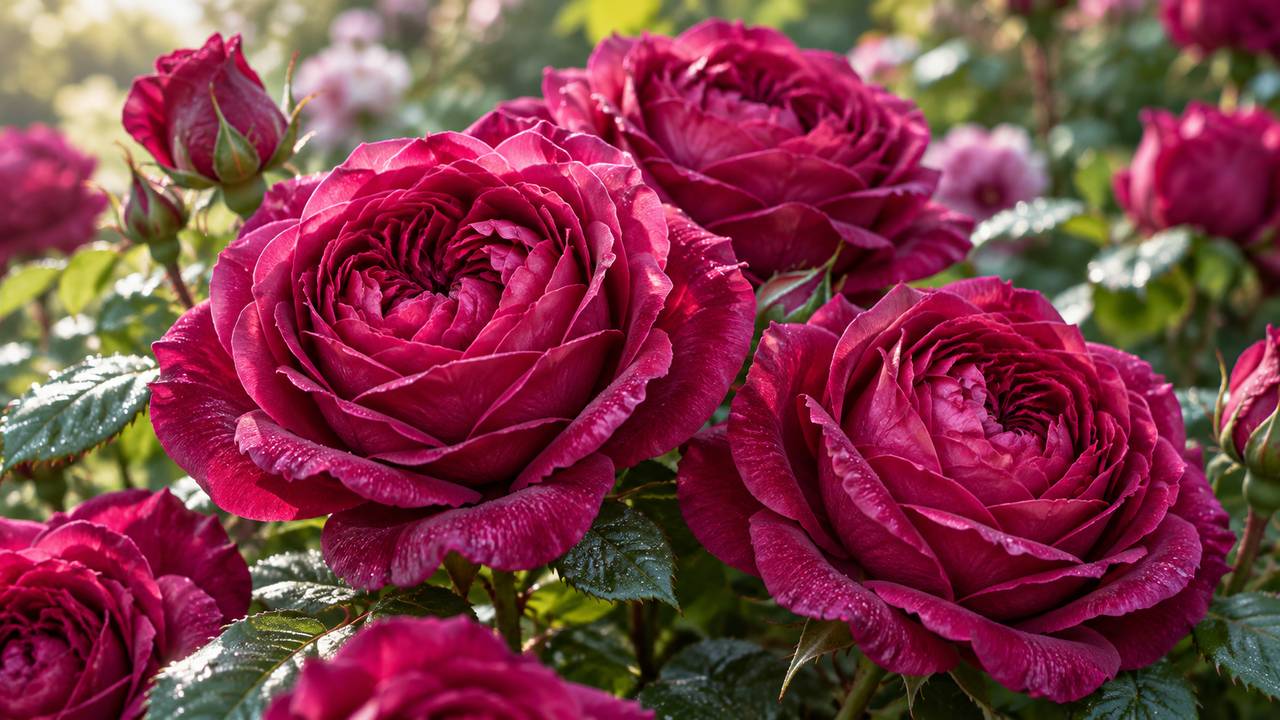
Botanically, magenta is not one fixed rose pigment. Its appearance results from varying concentrations of anthocyanins, flower-cell acidity, genetics, temperature, and light. Consequently, a cultivar may open raspberry-pink, deepen into saturated magenta, and fade toward mauve. This natural transformation reinforces the flower’s association with creativity, emotional complexity, and energetic change.
What Do Magenta Roses Symbolize?
The primary symbolism of magenta roses is inspired affection: a feeling that stimulates the imagination as well as the heart. They can communicate romantic attraction, but their message is broader and often more sophisticated than the straightforward passion of red roses.
- Artistic inspiration: Their painterly, high-impact color represents imagination, originality, and the courage to create.
- Emotional balance: Standing visually between warm red and cool violet, magenta suggests harmony between passion and reflection.
- Vitality: The saturated hue conveys confidence, movement, resilience, and renewed enthusiasm for life.
- Admiration: Magenta roses honor someone with a magnetic personality, distinctive talent, or independent spirit.
- Mature romance: They express attraction enriched by respect, intellectual connection, and emotional depth.
- Transformation: Because their tones shift as blooms mature, they can mark personal growth, reinvention, or a creative new chapter.
In contemporary spiritual color language, magenta is sometimes interpreted as uniting earthly red with contemplative violet. Although this is a modern symbolic reading rather than an ancient botanical doctrine, it explains why the color is frequently associated with compassion in action, integrated emotions, and purposeful energy.
Historical and Cultural Interpretations
Roses carried elaborate meanings in classical, medieval, Renaissance, and Victorian societies, but historical interpretation must account for changing color vocabulary. Ancient Greek and Roman traditions linked roses broadly with Aphrodite or Venus, beauty, desire, celebration, and mortality. Deep pink-purple roses would have participated in those wider associations even though they were not called magenta.
During the nineteenth century, floriography transformed bouquets into socially acceptable messages. Pink roses generally expressed grace, happiness, and admiration, while crimson flowers indicated powerful feeling. A rose now classified as magenta therefore sits naturally where these meanings overlap: admiration intensified into fascination. Its association with novelty also reflects the Victorian excitement surrounding new dyes, horticultural breeding, and exotic-looking colors.
In modern Western floristry, magenta roses often signify confident romance, creative achievement, or joyful individuality. In wedding work, they bring personality to ceremonies that feel too formal for bright pink yet too celebratory for burgundy. Across many East Asian design contexts, vivid pink-red flowers are welcomed for festive arrangements because they suggest happiness, prosperity, and animation, although customs vary substantially by country and family. In parts of South Asia, saturated pinks and magentas frequently appear in wedding textiles and floral decoration, where they evoke abundance, beauty, and celebration.
Color symbolism is never entirely universal. Number traditions, religious associations, mourning practices, and even wrapping colors can alter a bouquet’s reception. For an international recipient, personal taste and local custom should take precedence over a generalized flower dictionary.
Shade Variations and Their Messages
| Magenta Variation | Principal Meaning | Best Use |
|---|---|---|
| Bright fuchsia-magenta | Confidence, creative energy, joyful attraction | Birthdays, launches, performances |
| Raspberry magenta | Warm admiration and affectionate romance | Dating anniversaries, heartfelt thanks |
| Purple-magenta | Mystery, intuition, unconventional beauty | Artists, mentors, sophisticated events |
| Dark wine-magenta | Devotion, dignity, emotional depth | Milestone anniversaries, formal bouquets |
| Muted antique magenta | Memory, enduring affection, refinement | Reunions, heritage-inspired weddings |
Surrounding colors refine the message. A magenta-and-red bouquet emphasizes desire, while magenta with white suggests energetic affection grounded in sincerity. For a warmer and more sociable composition, studying salmon rose meaning helps explain how coral undertones bridge friendship and passion. By contrast, dusty rose colors soften magenta’s exuberance with nostalgia and restraint.
When and to Whom Should You Give Magenta Roses?
Magenta roses are ideal when ordinary pink feels too understated and red seems overly explicit. Give them to a romantic partner to express lively, evolving love; to an artist after an exhibition or performance; to a graduate beginning an independent path; or to a friend celebrating recovery, reinvention, or a courageous decision. They also make memorable gifts for hosts, mentors, colleagues receiving promotions, and relatives with bold personal style.
For early-stage romance, choose a small bouquet and include a clear note so intensity is not mistaken for a declaration of commitment. In professional settings, use an airy mixed arrangement rather than a dozen uniform roses, which can appear romantic. For sympathy, muted magenta may honor a vivid personality, but subdued shades and family customs should guide the decision. Avoid assuming that deeper color is automatically suitable for every funeral tradition.
Modern etiquette values intention over rigid numerical codes. One rose creates a focused gesture; three to six feel personal but restrained; a dozen conveys abundance and romantic emphasis. Remove price labels, choose recyclable wrapping when possible, and tell recipients if flowers are florist-dyed rather than naturally colored. A brief card should explain the personal reason for selecting magenta, making the symbolism sincere rather than formulaic.
Companion Flowers and Bouquet Styling
Magenta is visually commanding, so successful arrangements give it either contrast or breathing room. White ranunculus, ivory lisianthus, and greenery create a crisp botanical frame. pale pink roses produce a gentle tonal gradient associated with sweetness and admiration, while cream rose symbolism introduces grace, thoughtfulness, and quiet warmth.
For artistic drama, pair magenta roses with burgundy dahlias, plum scabiosa, chocolate cosmos, or smoke bush. For a modern celebration, combine them with coral peonies, orange ranunculus, and small touches of chartreuse foliage. Eucalyptus cools the palette, whereas olive branches make it earthy and Mediterranean. Delphiniums add vertical movement; sweet peas add fragrance and delicacy.
Keep the color hierarchy deliberate. In a compact hand-tied bouquet, let magenta roses form roughly one-third of the visible flowers and repeat their color in smaller accents. For minimalist styling, three sculptural stems in an opaque ceramic vase can feel more sophisticated than an overcrowded arrangement.
Botanical Care and Vase Longevity
Fresh-cut roses commonly last five to ten days, depending on cultivar, harvest stage, and handling. Select stems with firm, hydrated petals and buds beginning to loosen; tightly closed buds may never open. At home, clean the vase thoroughly, remove foliage that would sit below the waterline, and cut one to two centimeters from each stem at a sharp angle with clean shears.
Use fresh room-temperature water and commercial flower food, which supplies sugar while helping control microbes and acidity. Refresh the water every two days, wash the vase, and recut the stems. Keep roses away from direct sun, radiators, drafts, and ripening fruit, whose ethylene can accelerate aging. Remove fading guard petals only when they are loose or damaged; the firmer outer petals protect the bloom during transport.
Gardeners seeking magenta roses should select cultivars for climate, disease resistance, repeat flowering, fragrance, and mature size rather than color alone. Most roses perform best with at least six hours of sun, fertile well-drained soil, deep watering at the root zone, and good air circulation. Petal color may become richer in cool weather and lighter under intense heat, so catalogue photographs should be treated as guides rather than guarantees.
A Color of Inspired Feeling
Ultimately, the magenta rose meaning is the union of affection and creative force. It celebrates people who energize others, relationships that encourage growth, and moments when confidence returns after uncertainty. Whether presented as a single vivid stem, blended into a romantic gradient, or arranged with dark, theatrical companions, magenta roses communicate admiration with uncommon personality. Their strongest message is not merely “I love you,” but “your presence makes life more vivid.”