Table of Contents
Dusty Rose Color Meaning: Nostalgia, Enduring Romance, and Modern Wedding Trends
Color choices in floral design, interior architecture, and event styling carry distinct emotional weight. When examining the dusty rose color meaning: nostalgia, enduring romance, and modern wedding trends have emerged as defining pillars of this beloved shade. Unlike the vibrant, high-energy declaration of a saturated red or the sunny optimism documented in our look at the Yellow Rose Meaning: How Friendship, Joy, and Historical Jealousy Shape Its Symbolism, dusty rose communicates through gentle subtlety. It represents a mature, grounded evolution of pink, blending classic floral charm with modern visual restraint.
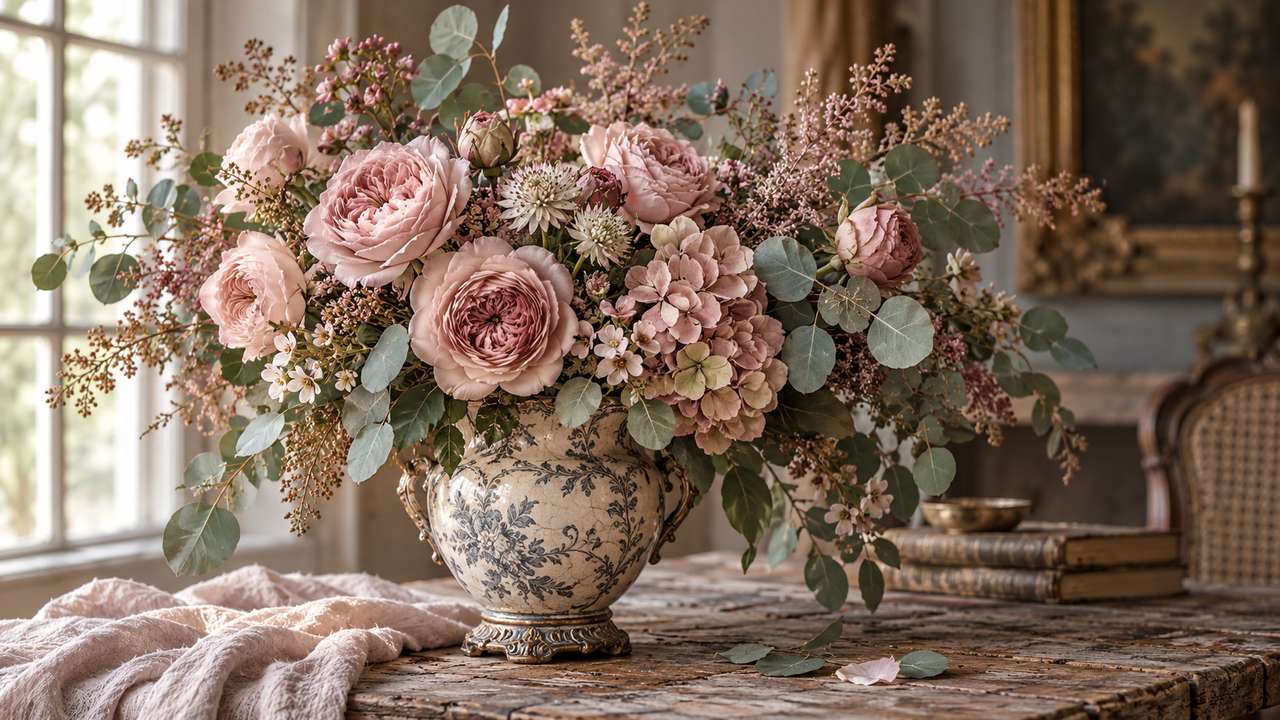
At its technical foundation, dusty rose is characterized by a moderate-to-low saturation of pink tempered with grey, mauve, and earthy undertones. Often identified in digital design palettes by hexadecimal values such as #DCAE96, #C5A39E, or #B87B80, this complex balance removes the sugary sweetness of bubblegum pink and replaces it with an heirloom, antique finish. This muted quality allows dusty rose to function as a versatile, statement-making neutral across varied visual disciplines.
The Psychology of Muted Pinks: Emotion, Memory, and Restraint
The human mind responds to desaturated colors with a sense of calm, psychological safety, and stability. While bright, pure pinks frequently stimulate excitement, joy, or playful energy, dusty rose operates on a contemplative frequency. The introduction of grey pigments dampens the chromatic vibration, transforming an overt declaration of affection into an enduring, quiet devotion.
Color psychologists often categorize dusty rose as an “anchored hue.” It delivers the innate nurturing, compassionate warmth of rose undertones while borrowing the balance, neutrality, and timelessness of grey and stone. Individuals surrounded by dusty rose environments often report lower stress responses and an enhanced feeling of physical and emotional comfort. It does not demand visual attention; rather, it cultivates an inviting atmosphere that encourages stillness, vulnerability, and thoughtful connection.
The Historical Thread: Victorian Nostalgia and Antique Mauve
The cultural fascination with dusty rose traces back centuries, notably reaching a creative pinnacle during the Victorian era. Following William Henry Perkin’s accidental discovery of mauveine (the first synthetic aniline dye) in 1856, muted purples, lilacs, and antique roses swept through Parisian couture and British salons. These faded rose shades became synonymous with grace, refinement, and aristocratic elegance.
In literary and social traditions, muted rose tones were frequently associated with vintage keepsakes—pressed botanicals preserved inside velvet-bound journals, faded lace gowns passed down through generations, and sepia-toned portraits. This historical lineage is why dusty rose triggers an immediate psychological sense of nostalgia. It carries the weight of memory, reminding the viewer of timeless moments that soften and gain sentimental depth as years go by.
Deconstructing the Core Symbolism of Dusty Rose
To fully understand why this aesthetic continues to captivate floral designers, modern couples, and creative directors worldwide, we can break down its primary symbolic facets into three distinct components.
1. Nostalgia and Reverence for the Past
Dusty rose speaks directly to romantic retrospection. It reflects an appreciation for craftsmanship, heirlooms, and legacy. When applied in design, it creates an immediate bridge between historical romance and modern sensibilities, evoking the warmth of old film photographs and vintage European villas.
2. Enduring, Mature Romance
If scarlet roses signify explosive infatuation and burning passion, dusty rose signifies love that has stood the test of time. It symbolizes a romance that has weathered obstacles, settled into comfortable understanding, and developed emotional depth. It represents lifelong companionship, patient commitment, and shared memories.
3. Quiet Luxury and Understated Elegance
Within fashion and event architecture, bright hues can sometimes feel commercial or overwhelming. Dusty rose conveys high-end sophistication precisely because it is restrained. It speaks the visual language of bespoke tailoring, fine silk chiffon, antique linen, and curated botanical gardens.
Comparative Analysis: Emotional Profiles of Romantic Hues
Choosing the right floral shade requires understanding how dusty rose compares against other staple romantic and wedding colors. The following analytical table breaks down the technical profiles, symbolic resonances, and strategic uses of these related palettes.
| Color Profile | Hex / Tonality | Primary Emotional Resonance | Ideal Design Application | Complementary Accents | Design Longevity |
|---|---|---|---|---|---|
| Dusty Rose | #C5A39E (Muted Pink/Grey) | Enduring love, nostalgia, sophisticated romance | Fine-art weddings, heirloom branding, vintage textiles | Sage green, slate blue, champagne gold | High / Perennial Classic |
| Blush Pink | #FFD1DC (Pale Pastel) | Youthful joy, innocence, fresh beginnings | Spring celebrations, baby showers, classic bridals | Pure white, mint green, rose gold | Moderate / Trend-Sensitive |
| Deep Crimson | #990000 (Saturated Deep Red) | Intense passion, power, dramatic desire | Formal winter galas, dramatic evening events | Black, emerald green, brass | High / Traditional |
| Mauve | #B784A7 (Purple-Grey Neutral) | Mystery, artistic sensibility, contemplation | Boho-chic events, editorial fashion, autumn weddings | Plum, olive, aged copper | High / Contemporary |
| Terracotta Rose | #C97A63 (Warm Clay/Rose) | Earthy warmth, organic passion, grounding | Desert modern weddings, rustic gatherings | Mustard, rust, eucalyptus green | Moderate / Modern Trend |
| Bridal Ivory | #FFFFF0 (Soft Cream) | Clarity, renewal, foundational elegance | Traditional ceremonies, formal black-tie events | Every spectrum; serves as a universal anchor | Permanent / Historic |
Dusty Rose in Modern Wedding Trends: The New Bridal Staple
Over the last decade, modern wedding styling has undergone a fundamental shift away from rigid, high-contrast formal aesthetics toward organic, romantic, and fine-art approaches. Dusty rose has emerged as a cornerstone of this contemporary movement.
Historically, wedding palettes were anchored strictly by clean whites, creams, and high-shine silvers. While understanding the foundational White Rose Meaning and Symbolism: Complete Guide to Purity, Weddings, and Remembrance remains vital for appreciating ceremonial purity, contemporary couples increasingly seek nuanced shades that offer softer photographic contrast. Dusty rose provides this balance, adding dimension to wedding attire without competing with the primary gown or setting.
Curating the Perfect Wedding Palette
Modern wedding planners and floral artists integrate dusty rose across several cohesive design frameworks:
- Ethereal Fine Art: Dusty rose paired with soft ivory, dove grey, and champagne silk. This combination reflects French country aesthetics and captures directional daylight beautifully in outdoor photography.
- Organic Botanical: Combining dusty rose garden roses with cool-toned greenery—such as silver dollar eucalyptus, frosted olive branches, and dusty miller—yields a balanced, garden-fresh look that feels effortless.
- Moody Autumnal: Pairing dusty rose with deeper tones such as plum, blackberry, and dark espresso wood brings drama, transitioning the shade seamlessly into cooler seasons.
- Modern Coastal: Pairing dusty rose with slate blue and sand tones mimics the colors of coastal sea rocks and shoreline sunsets, offering a sophisticated alternative to traditional nautical palettes.
Bridal Party Styling and Linen Design
One practical reason for dusty rose’s dominance in modern bridal fashion is its universal compatibility across diverse skin tones. Traditional pastel pinks can sometimes wash out lighter skin tones or create harsh contrast against darker complexions. Dusty rose, with its grounding slate-brown undertone, harmonizes across a wide spectrum of complexions. Bridesmaids dressed in chiffon, crepe, or velvet dusty rose gowns consistently achieve an elegant, cohesive look in group photography.
On the tablescape, dusty rose table runners made of gauzy raw silk or textured cheesecloth provide tactile warmth. Florists routinely carry this shade through taper candles, custom stationery, wax seals, and matte-glazed ceramic dinnerware, establishing an atmosphere that feels warm and timeless.
Botanical Cultivars: Natural Dusty Rose Blooms
True dusty rose tones rarely appear in wild field roses; they are the result of meticulous horticultural breeding. For floral designers, obtaining authentic dusty and antique rose hues requires sourcing specialized hybrid tea and garden rose cultivars. Notable varieties include:
- ‘Amnesia’: An iconic Ecuadorian hybrid tea rose that opens into an ethereal blend of lavender, soft grey, and antique dusty rose. Its muted, cool tone makes it an editorial staple.
- ‘Koko Loko’: A floribunda variety famous for its chameleon color profile. It opens as creamy coffee-and-milk and finishes as a dusty lavender-rose hue.
- ‘Quick Sand’: While technically a sandy champagne rose, its inner petals reveal delicate dusty-blush and taupe undertones, making it a reliable blending flower.
- ‘Cappuccino’: Highly sought-after for vintage palettes, displaying terracotta, raspberry-mauve, and warm dusty rose transitions.
- ‘Menta’: A luxury variety presenting pale, paper-thin petals with antique tea, muted blush, and ash-lavender shading.
Because these delicate cultivars are prized for their heirloom characteristics, preserving their appearance beyond the event has become a growing trend among couples and collectors. To learn proper preservation techniques for these prized varieties, explore our detailed tutorial on How to Dry Roses and Preserve Their Natural Color: Air Drying vs Silica Gel Sand. Preserving muted roses allows their nostalgic symbolism to live on as physical home keepsakes for years.
Expanding Beyond Weddings: Interior Design and Professional Spaces
While dusty rose is widely celebrated in wedding design, its versatility has also earned it a lasting place in residential interiors and modern corporate environments. When used thoughtfully, it acts as an elevated neutral that softens hard lines and introduces tactile warmth without feeling overtly feminine.
Residential Interior Architecture
Interior designers frequently specify dusty rose for spaces meant for relaxation and intimate conversation. In living rooms and primary suites, dusty rose lime-wash paints, velvet accent chairs, or heavy linen drapery pair naturally with natural light oak, polished brass fixtures, and woven jute rugs. Unlike stark white walls that can sometimes feel sterile, dusty rose creates an enveloping sanctuary that shifts subtly from morning light to twilight.
Executive Etiquette and Commercial Styling
In high-end commercial spaces, dusty rose communicates approachability, modern taste, and calm authority. High-end lifestyle brands, boutique hotels, and creative agencies frequently use the shade in lounge spaces to foster collaboration. Even in corporate floral gifting, incorporating muted antique tones provides a refined alternative to primary colors. For guidance on professional arrangement standards, review our manual on Corporate Gifting Rose Etiquette: Elegant Floral Arrangements for Executive Milestones.
Conclusion: The Timeless Relevance of Dusty Rose
The persistent appeal of dusty rose lies in its unique ability to hold diverse emotional meanings in balance. It bridges the modern with the antique, balancing the vulnerability of romantic affection with the quiet confidence of mature experience. It honors the past through comforting nostalgia, while offering contemporary designers an adaptable, sophisticated neutral.
Whether chosen for an intimate wedding bouquet, an architectural focal point, or an everyday artistic installation, dusty rose avoids fleeting trend cycles. By expressing deep emotion through restraint, dusty rose remains an enduring emblem of timeless romance, historical grace, and intentional design.