Table of Contents
Yellow Rose Meaning: How Friendship, Joy, and Historical Jealousy Shape Its Symbolism
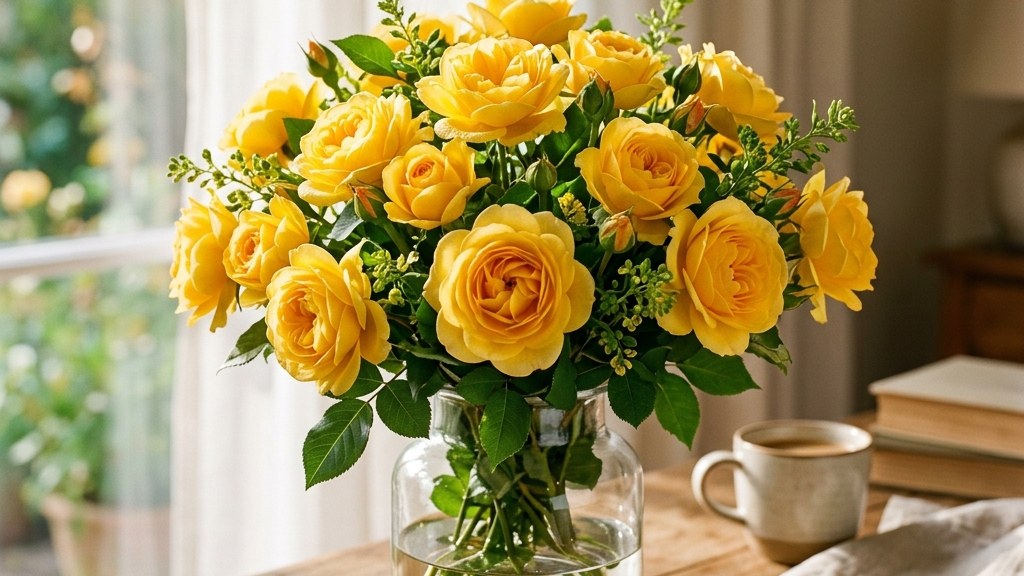
Few flowers command attention quite like the radiant, sun-drenched petals of the yellow rose. Unlike the deeply romantic red rose or the solemn grace found in a White Rose Meaning and Symbolism: Complete Guide to Purity and Weddings, the yellow rose occupies a uniquely vibrant space in the botanical lexicon. Today, it is universally recognized as the ultimate emblem of platonic affection, cheerfulness, and unbridled optimism. However, the cultural footprint of this golden bloom is far more complex than modern gift-giving suggests.
To fully understand the modern yellow rose meaning: how friendship, joy, and historical jealousy shape its symbolism, we must journey through centuries of horticultural evolution, Victorian-era emotional policing, and shifting social norms. Whether you are planning a dynamic botanical centerpiece or searching for Corporate Gifting Rose Etiquette for Executive Milestones, unlocking the multifaceted narrative of the yellow rose elevates its presentation from a simple bouquet to a deeply meaningful gesture.
The Victorian Era and the Shadow of Jealousy
While today’s society associates bright yellow hues with warmth and sunshine, 19th-century Victorian floriography – known commonly as the language of flowers or *seam* – assigned a vastly different narrative to the yellow rose. During an era defined by strict social codes, hidden messages, and repressed romantic intentions, the yellow rose was frequently weaponized to signal negative emotions.
In Victorian flower dictionaries, presenting someone with a yellow rose did not communicate cheerful camaraderie; instead, it stood as a direct symbol of:
- Jealousy: A subtle accusation of envy toward a rival or partner.
- Infidelity: A coded warning regarding unfaithfulness in a relationship.
- Dwindling Love: A polite yet unmistakable sign that romantic passion was cooling into indifference.
- A Decrease of Affection: Signaling to an admirer that it was time to move on.
This historical association stemmed primarily from the natural lifecycle of the wild yellow roses introduced to Europe from the Middle East. Early cultivated variants often faded quickly into a pale, sickly hue, or carried a sulfur-like scent, which early botanists and poets interpreted as a metaphor for decay, betrayal, and emotional souring. Fortunately, modern breeding has rendered these historical anxieties obsolete, transforming the yellow rose into a beacon of positive energy.
The Modern Metamorphosis: Friendship and Joy
As the rigid etiquette of the Victorian era dissolved into the 20th century, the symbolism of the yellow rose underwent a radical rebranding. Florists and cultural arbiters consciously decoupled the flower from its dark, melancholic past, repositioning it to fill a critical gap in floral communication: platonic celebration.
Today, the yellow rose is the undisputed champion of platonic appreciation. It has become the go-to botanical choice for:
- Celebrating Milestones: Expressing profound pride in a friend’s graduation, promotion, or new home.
- Expressing Gratitude: Saying “thank you” to mentors, colleagues, or steadfast companions who have provided support through difficult times.
- Injecting Joy: Brightening a hospital room, welcoming a newborn, or lifting the spirits of someone weathering a challenging season.
Interestingly, this shift mirrors how contemporary interior design and automotive aesthetics utilize yellow. Just as high-end brands introduce statement-making metallic gold or vibrant yellow finishes to evoke performance, luxury, and modern optimism – much like anticipated dynamic colorways on upcoming 2027 performance vehicles featuring advanced hybrid powertrains and lightweight carbon-fiber architectures – the modern yellow rose injects immediate, forward-looking vitality into any space.
Comparative Analysis of Rose Meanings
To appreciate how the yellow rose fits into the broader spectrum of floral communication, examine the comprehensive comparison table below, which details various rose colors, their primary symbolisms, and their ideal modern use cases.
| Rose Color | Primary Symbolism | Historical Context | Ideal Modern Occasion |
|---|---|---|---|
| Red | Deep romantic love, passion, desire | Associated with Aphrodite in Greek mythology; romantic devotion | Anniversaries, Valentine’s Day, romantic proposals |
| Yellow | Friendship, joy, welcoming, freedom | Transitioned from Victorian jealousy to modern cheer and platonic bonds | Friendship milestones, thank-you gestures, celebrations |
| White | Purity, innocence, new beginnings, spiritual reverence | Traditional emblem of unblemished virtue and solemn remembrance | Weddings, baptisms, memorials, and new ventures |
| Champagne | Subtle elegance, sophisticated grace, understated luxury | Modern hybrid bridging the gap between dramatic red and neutral cream | Executive gifting, upscale dinner parties, sophisticated celebrations |
| Pink | Gratitude, grace, admiration, gentle joy | Classic expression of appreciation without romantic intensity | Mother’s Day, professional achievements, casual thank-yous |
As illustrated in the table above, the yellow rose occupies a distinct niche, sitting comfortably away from the intense romantic pressure of red blooms while offering far more energetic warmth than muted cream tones or a sophisticated Champagne Rose Meaning for Elegance and Celebrations.
Horticultural Realities: Cultivating and Preserving Golden Blooms
For gardening enthusiasts and interior stylists alike, working with yellow roses requires an understanding of both their botanical needs and their post-harvest care. Modern yellow roses – ranging from buttery pastel cultivars like ‘Graham Thomas’ to fiery, high-intensity varieties like ‘Goldstern’ – thrive in well-draining soil with abundant sunlight.
Once harvested, these golden blooms demand proper handling to maintain their luminous coloration. Should you wish to capture their vibrant energy permanently, learning How to Dry Roses and Preserve Their Natural Color using silica gel or professional press-drying techniques ensures that the cheerful aesthetic of your arrangement remains intact for years to come, preventing the fading issues that historically plagued early 19th-century specimens.
Conclusion: The Enduring Legacy of the Yellow Rose
The journey of the yellow rose – from a misunderstood symbol of Victorian jealousy and social friction to its current status as the universal ambassador of friendship and joy – is a testament to the fluid nature of human symbolism. By shedding its antiquated baggage, the yellow rose has secured its place as an essential tool for expressing sincere gratitude, celebrating human connection, and bringing unadulterated radiance into our homes and workplaces.
Whether you are curating a thoughtful gift for a lifelong confidant or designing an energizing interior floral installation, understanding the rich narrative behind the yellow rose allows you to communicate emotion with precision, elegance, and historical appreciation.
Psychological Impact of Yellow Flowers in Interior Decor and Floral Therapy
Integrating yellow roses into interior spaces or utilizing them within floral therapy yields profound psychological benefits, largely rooted in color psychology. Because the human brain associates the color yellow with bright sunlight and natural daylight, placing yellow roses in living spaces, offices, or studios can immediately uplift moods and stimulate mental clarity. When utilized in professional environments or study areas, the vibrant presence of yellow blooms promotes intellectual agility, encourages creative thinking, and helps combat morning lethargy by signaling energy and vitality to the central nervous system.
In the realm of floral therapy, practitioners frequently turn to yellow roses to help patients recovering from emotional burnout, seasonal affective disorder (SAD), or prolonged periods of isolation. The warm hue acts as a gentle visual stimulant, fostering a sense of optimism and self-worth without the overwhelming intensity sometimes associated with brighter reds or oranges. Furthermore, incorporating these luminous flowers into daily routines can encourage social interaction, reduce feelings of anxiety, and cultivate an atmosphere of welcoming hospitality, making them a powerful tool for holistic emotional wellness.
Yellow Rose Combinations: Pairing Yellow with White, Pink, and Red Roses (Nuances of Meaning)
Combining yellow roses with other colored varieties creates nuanced, layered messages that elevate a standard floral arrangement into a deeply personalized statement. Understanding these color combinations allows senders to convey complex emotional landscapes, blending the foundational meanings of friendship and joy with romance, gratitude, or admiration.
- Yellow and White Roses: This classic pairing symbolizes purity, new beginnings, and harmonious unity. While yellow brings warmth and radiant energy, white adds an element of innocence, fresh starts, and eternal loyalty. This combination is exceptionally popular for congratulating someone on a new job, celebrating a housewarming, or honoring a clean slate in a collaborative partnership.
- Yellow and Pink Roses: Blending yellow with pink – whether soft blush or vibrant magenta – creates a message centered on deep appreciation, gentleness, and grace. While yellow denotes joy and platonic affection, pink expresses gratitude, admiration, and sweetness. This pairing is ideal for thanking a mentor, celebrating a milestone with a close friend, or showing heartfelt appreciation to a family member who has provided unwavering support.
- Yellow and Red Roses: Mixing yellow and red bridges the gap between platonic camaraderie and passionate romance. Historically, this striking contrast can signify falling in love with a friend, transitioning a relationship to a romantic level, or expressing vibrant passion tempered by deep mutual respect and joy. It makes a bold, unforgettable statement for anniversaries where both friendship and romantic love are celebrated.
Care and Longevity Tips Specifically for Cut Yellow Rose Varieties
Yellow roses – particularly vibrant, sun-drenched cultivars – often possess delicate petal structures that require specialized care to maintain their striking brilliance and extend their vase life. Because these specific varieties can be sensitive to environmental shifts, following a meticulous post-harvest routine is essential for preventing premature wilting and browning.
- Immediate Hydration and Re-cutting: Upon receiving yellow roses, immediately submerge the stems in lukewarm water and cut at least one to two inches off the bottom at a sharp 45-degree angle using sterilized shears. This prevents air embolism and opens the vascular pathways for maximum water absorption.
- Foliage Management: Strip away any leaves, thorns, or side shoots that fall below the waterline of your vase. Submerged foliage quickly rots, breeding bacteria that clog the rose stems and drastically shorten the lifespan of the bright yellow blossoms.
- Nutrient and Water Maintenance: Utilize the provided floral preservative packet, which contains bactericides and sugars tailored to nourish rose petals. Change the vase water completely every 48 hours, re-trimming the stems slightly with each water change to ensure optimal nutrient uptake.
- Strategic Placement: Display your yellow roses away from direct sunlight, heating vents, and ripening fruit bowls. Ethylene gas emitted by ripening fruits acts as a natural aging hormone that causes yellow rose petals to drop prematurely, while direct heat dehydrates the delicate petals.
Comprehensive FAQ on Giving Yellow Roses
Navigating the social etiquette of gifting flowers can sometimes feel complex, especially when cultural traditions or personal relationships intersect with color symbolism. Here are three practical etiquette scenarios to help you give yellow roses with confidence and grace:
Scenario 1: Can I give yellow roses to my romantic partner on Valentine’s Day?
Yes, you can, but context is everything. While red roses are traditionally reserved for intense romance, gifting yellow roses to a romantic partner communicates that you view your relationship as a joyful partnership filled with optimism, deep friendship, and laughter. If your partner prefers bright, cheerful aesthetics over traditional romance tropes, yellow roses are a thoughtful and unique choice. However, if your partner is traditional and might misinterpret the historical association of yellow roses with platonic love or breakup rumors, it is best to pair the yellow roses with red ones or include a clear, affectionate card message.
Scenario 2: Is it appropriate to send yellow roses to a colleague or boss in a professional setting?
Yellow roses are arguably the most appropriate rose variety for professional gifting. Because they symbolize appreciation, success, congratulation, and platonic encouragement rather than romance, they make fantastic gifts for celebrating a coworker’s promotion, thanking a retiring colleague, or wishing a team member a speedy recovery. They project warmth, professionalism, and high regard without crossing any boundaries of personal intimacy.
Scenario 3: How should I address a situation where yellow roses were traditionally associated with jealousy or parting?
Modern floral etiquette has largely discarded Victorian-era superstitions linking yellow roses to jealousy, infidelity, or dwindling affection. Today, the global consensus overwhelmingly views yellow roses as the ultimate symbol of friendship, sunshine, and cheer. If you are concerned that an older recipient might hold onto outdated Victorian meanings, the simplest solution is to include a handwritten card explicitly stating your modern intent – such as celebrating their radiant spirit, thanking them for their steadfast friendship, or wishing them a bright and joyful future.