Table of Contents
Ivory Rose Meaning: Pure Elegance, Quiet Grace, and Timeless Charm
The ivory rose meaning is rooted in refinement, sincerity, gentle affection, and enduring grace. Softer than brilliant white and more restrained than champagne or cream, ivory carries the warmth of something cherished with age: heirloom lace, polished parchment, candlelight, and antique silk. An ivory rose rarely makes a loud declaration. Instead, it communicates admiration, loyalty, thoughtfulness, and emotional depth with composure.
Roses have conveyed unspoken messages for centuries. Their symbolic associations appear in ancient Mediterranean mythology, medieval religious art, Renaissance poetry, and the highly codified floriography manuals of the Victorian era. Although historical flower dictionaries did not always distinguish ivory from white, modern floristry treats ivory as a meaningful shade in its own right. Its creamy undertone tempers the ceremonial purity of white, creating a message that feels more intimate, mature, and welcoming.
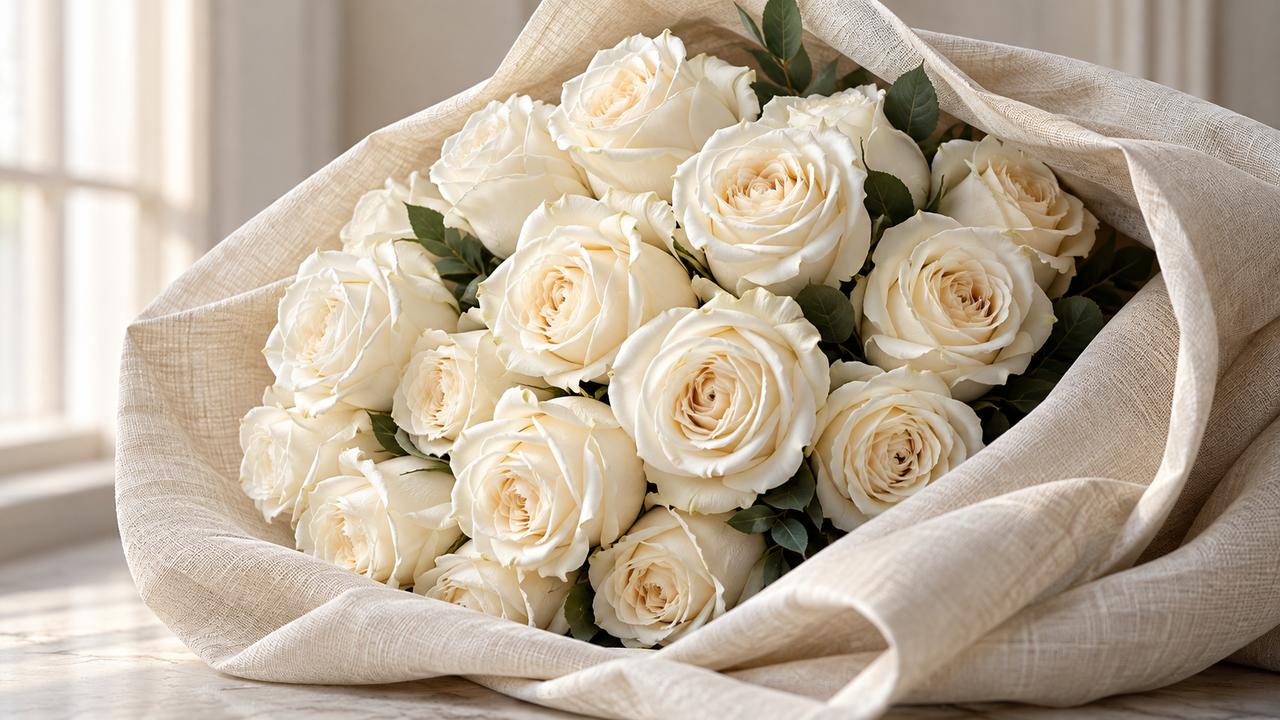
Botanically, “ivory” does not identify a single rose species or cultivar. It describes a color range found across hybrid tea roses, garden roses, spray roses, floribundas, and other cultivated forms. Depending on the variety, season, growing conditions, and stage of opening, an ivory bloom may display undertones of butter, beige, blush, pale green, or warm cream. These subtle variations help determine the flower’s emotional tone and make ivory roses especially versatile in bouquets.
What Do Ivory Roses Mean?
At their heart, ivory roses symbolize quiet elegance, grace, thoughtfulness, and affection without pressure. They are ideal when the sender wants to express genuine appreciation without the overt romantic intensity of red roses. Their warmth also makes them less formal than pure white flowers, while their restrained palette feels more timeless than brighter colors.
The principal meanings associated with ivory roses include:
- Elegance: Their understated color suggests excellent taste, poise, and sophistication.
- Grace: Ivory roses honor gentle strength, kindness, dignity, and composure.
- Thoughtfulness: They show that a gift has been chosen carefully rather than impulsively.
- Sincere affection: Ivory communicates warmth and emotional closeness without automatically implying passionate romance.
- Loyalty and constancy: The antique quality of ivory can evoke relationships that deepen and become more valuable over time.
- New beginnings: Closely related to white, ivory is appropriate for weddings, births, new homes, and important transitions.
- Quiet luxury: The color is associated with fine textiles, heirlooms, candlelit interiors, and restrained abundance.
Ivory Roses Versus White, Cream, and Champagne Roses
Florists and recipients sometimes use “ivory,” “cream,” “off-white,” and “champagne” interchangeably, yet each shade creates a slightly different impression. Pure white usually emphasizes innocence, reverence, clarity, or remembrance. Readers exploring ceremonial and spiritual associations may find the traditions behind white rose symbolism particularly useful.
Ivory is warmer and more nuanced than white. Cream leans buttery or yellow and often feels comforting and generous. Champagne roses generally contain beige, peach, taupe, or muted golden undertones, giving them a celebratory and luxurious character. The distinctions become clearer when comparing the champagne rose meaning with the quieter symbolism of ivory.
| Rose Color | Primary Meaning | Emotional Tone | Best Uses |
|---|---|---|---|
| Ivory | Grace, refined affection, loyalty | Warm, composed, timeless | Weddings, anniversaries, gratitude, elegant sympathy |
| Pure White | Purity, innocence, reverence | Formal, spiritual, pristine | Weddings, memorials, religious ceremonies |
| Cream | Charm, warmth, consideration | Soft, welcoming, comforting | Thank-you gifts, homes, family celebrations |
| Champagne | Luxury, celebration, admiration | Festive, polished, romantic | Engagements, milestone birthdays, upscale events |
| Pale Yellow | Friendship, optimism, welcome | Cheerful, open, encouraging | Friendship gifts, congratulations, recovery wishes |
Historical and Cultural Interpretations
Ancient cultures did not categorize roses according to modern commercial color charts, but pale roses consistently acquired sacred, aristocratic, and ceremonial associations. In Greek and Roman traditions, roses were linked to Aphrodite or Venus, beauty, love, secrecy, and the fleeting nature of life. A pale rose could therefore suggest beauty softened by modesty or love disciplined by virtue.
In medieval and Renaissance Europe, white and near-white roses appeared in Christian art as emblems of the Virgin Mary, heavenly love, purity, and spiritual illumination. Ivory-toned petals in old paintings were sometimes the result of pigments, candlelit settings, or natural aging, yet the effect reinforced a sense of antiquity and sanctity. Pale roses also became associated with noble households, where restrained color palettes communicated refinement.
Victorian floriography transformed flower giving into a complex social language. Flowers allowed sentiments to be expressed when etiquette discouraged direct emotional declarations. While many period dictionaries listed “white rose” rather than “ivory rose,” modern interpretations inherit the Victorian preference for subtlety. An ivory rose can function as a discreet compliment: “I admire your grace,” “Your presence brings calm,” or “My affection is sincere and enduring.”
In contemporary Western weddings, ivory roses often symbolize harmonious partnership, mature love, and timeless commitment. In many East Asian contexts, pale flowers may signify purity and elegance, but white-adjacent blooms can also carry funerary associations. Customs vary significantly by country, region, religion, and family. For an international recipient, it is considerate to learn whether pale roses are read primarily as celebratory, spiritual, or memorial flowers.
The Meaning of Different Ivory Shades and Forms
Color is only one part of floral communication. The bloom’s shape, undertone, openness, fragrance, and companions all influence the final message.
- Warm ivory with butter undertones: Conveys hospitality, reassurance, gratitude, and familiar affection.
- Cool ivory with green undertones: Feels botanical, peaceful, contemporary, and quietly restorative.
- Blush ivory: Adds tenderness and restrained romance, making it suitable for engagements and anniversaries.
- Beige or taupe ivory: Suggests vintage glamour, worldly sophistication, and artistic taste.
- Ivory garden roses: Their layered, ruffled petals communicate abundance, nostalgia, and deeply rooted love.
- Ivory hybrid tea roses: Their sculptural form appears formal and intentional, ideal for ceremonies or distinguished professional gifts.
- Ivory spray roses: Multiple small blooms create an atmosphere of sweetness, community, and shared happiness.
A closed bud traditionally suggests youth, potential, or a feeling that is still unfolding. A partially open rose expresses poised beauty and growing trust. A fully open ivory rose feels generous and assured, making it especially appropriate for anniversaries, retirement celebrations, and tributes to a life well lived.
Bouquet Context and the Messages Created by Color Pairings
An all-ivory bouquet conveys unity, serenity, and polished simplicity. It can be romantic, but it need not be. Its precise message depends on the relationship, occasion, wrapping, vase, and accompanying note. Twelve long-stemmed ivory roses presented to a partner feel intimate; a loose garden-style arrangement sent to a colleague reads as appreciative and tasteful.
Ivory and blush roses communicate gentle romance and tenderness. Ivory with burgundy creates a richer message of devotion, history, and autumnal luxury. Ivory with greenery emphasizes renewal and natural grace, while ivory with blue delphinium suggests trust, calm, and dignity. Combining ivory with yellow roses adds optimism and companionship; understanding the traditional yellow rose meaning can help ensure the bouquet balances elegance with cheerful warmth.
For weddings, ivory roses harmonize beautifully with eucalyptus, olive branches, jasmine vine, sweet peas, lisianthus, ranunculus, and trailing clematis. For formal evening arrangements, pair them with deep plum calla lilies, chocolate cosmos, burgundy dahlias, or dark foliage. For a relaxed country aesthetic, combine ivory garden roses with chamomile, scabiosa, feverfew, and airy grasses.
When to Give Ivory Roses
Ivory roses suit occasions that call for warmth without flamboyance. Their ambiguity is often an advantage: they can honor romantic, familial, platonic, or professional relationships without creating an awkwardly intense message.
- Weddings and engagements: Give them to represent lasting commitment, harmony, sincerity, and graceful new beginnings.
- Anniversaries: Choose garden roses or long-stemmed varieties to celebrate love that has matured with time.
- Thank-you gifts: Ivory expresses refined gratitude to a host, mentor, client, teacher, or supportive friend.
- Housewarmings: Their warm neutrality complements most interiors and symbolizes peace in a new home.
- Birthdays: They are particularly suitable for someone who appreciates understated design, antiques, or neutral palettes.
- Retirements and professional milestones: Ivory acknowledges achievement with dignity without seeming romantic.
- New babies and naming ceremonies: Their softness evokes tenderness, hope, and gentle beginnings.
- Condolences and remembrance: Ivory offers comfort, honor, and quiet support when chosen with cultural sensitivity.
Who Should Receive Ivory Roses?
An ivory arrangement can be given to a spouse, partner, parent, grandparent, sibling, close friend, mentor, colleague, or host. For a romantic recipient, include language that clarifies affection: “For the grace you bring to my life” or “Our love grows more beautiful with time.” For a friend, focus on appreciation and constancy. In professional settings, select a mixed arrangement or potted rose, avoid an intimate dozen of long stems, and use a concise note signed by the team when appropriate.
Ivory roses are also a thoughtful choice for someone who dislikes bright colors or highly scented flowers. However, fragrance sensitivity, hospital rules, pet safety, and cultural customs should always be considered. If the recipient is grieving, consult a detailed guide to roses for sympathy before selecting the arrangement, particularly when sending flowers to a funeral home or a family from a tradition different from your own.
Modern Etiquette for Gifting Ivory Roses
Modern flower etiquette values clarity more than rigid rules. Because ivory roses can represent romance, gratitude, or remembrance, a short card prevents misinterpretation. Name the reason for the gift and keep the wording aligned with the relationship.
For weddings, confirm the couple’s palette before sending large floral pieces. Ivory can photograph as cream, pale yellow, or even white depending on lighting, so couples who care about exact color matching may prefer to approve a cultivar. Never assume that ivory is interchangeable with pure white in bridal design.
For sympathy, understated arrangements are usually preferable. Avoid celebratory metallic wrapping, excessive fragrance, or strongly romantic accessories. In business situations, use a vase arrangement that requires little handling and schedule delivery during normal office hours. For home gifts, remove price labels and include care instructions.
The number of stems may also carry cultural significance. A dozen commonly suggests completeness or romantic devotion in Western settings, while other cultures attach fortunate or unfortunate meanings to particular numbers. When uncertain, choose an organic mixed bouquet rather than emphasizing a symbolic stem count.
Companion Flowers and Styling Advice
Ivory roses act as a visual bridge between strongly colored flowers, making them invaluable to floral designers. Their warm neutrality softens contrast without flattening an arrangement.
- For romantic softness: Add blush ranunculus, pale pink sweet peas, white lilac, and jasmine vine.
- For modern minimalism: Combine sculptural ivory roses with anthuriums, calla lilies, and glossy foliage.
- For vintage character: Use dusty mauve carnations, antique hydrangeas, trailing amaranthus, and velvet ribbon.
- For natural elegance: Pair with olive, eucalyptus, ferns, hellebores, and delicate grasses.
- For joyful friendship: Add butter-yellow roses, chamomile, golden yarrow, or pale apricot stock.
- For memorial work: Combine ivory roses with lilies, lisianthus, soft greenery, and restrained blue or lavender accents.
Choose vessels that reinforce the intended mood. Clear glass feels fresh and democratic; matte ceramic feels contemporary; silver or cut crystal heightens formality; aged brass creates old-world warmth. Kraft paper gives ivory roses a relaxed, natural character, while silk or velvet ribbon makes them ceremonial. Avoid stark blue-white wrapping unless deliberate contrast is desired, as it can make warm ivory petals appear yellowed.
Care and Vase Longevity
Fresh-cut ivory roses generally last five to ten days, although variety, harvest timing, temperature, and handling all matter. Select stems with firm heads, richly colored foliage, and outer petals that feel resilient rather than papery. The slightly bruised or greenish outer petals are often “guard petals,” which protect the bloom during transit. They may be left in place for a natural garden look or gently removed for a polished presentation.
- Wash the vase thoroughly to reduce bacteria.
- Trim 1 to 2 centimeters from each stem at a sharp angle with clean shears.
- Remove all foliage that would sit below the waterline.
- Use fresh, room-temperature water and properly measured floral preservative.
- Keep the arrangement away from direct sun, heaters, drafts, and ripening fruit.
- Refresh the water every one or two days and recut the stems when possible.
- Remove fading blooms promptly so bacteria do not shorten the life of the remaining flowers.
Ripening fruit releases ethylene gas, which accelerates floral aging. Heat also encourages petals to open quickly and water to foul. If a rose droops prematurely, recut the stem, place it in fresh water, and support the head loosely in paper while it rehydrates in a cool location.
Growing Ivory Roses in the Garden
Gardeners should choose an ivory cultivar for more than color alone. Disease resistance, fragrance, repeat flowering, mature size, climate tolerance, and growth habit determine long-term success. Most roses perform best with at least six hours of direct sunlight, fertile but well-drained soil, good air circulation, and deep watering at the root zone.
Ivory blooms can show rain spotting or browning more visibly than darker roses. Watering the soil rather than the foliage, spacing plants correctly, and removing damaged petals help preserve their appearance. A layer of organic mulch moderates soil temperature and moisture, but it should not touch the canes. Feed according to local growing conditions and the cultivar’s needs rather than applying excessive fertilizer, which can encourage weak growth at the expense of flowers.
Color may shift with weather. Cool temperatures can intensify pink, green, or beige undertones, while strong heat may fade blooms toward cream or white. This variability is part of the charm of living ivory roses: no two flushes are exactly alike.
The Enduring Message of Ivory Roses
The ivory rose meaning is best understood as purity enriched by warmth and elegance softened by affection. These roses speak of grace without distance, love without spectacle, and luxury without ostentation. They can celebrate a marriage, thank a mentor, comfort a grieving friend, honor an anniversary, or simply bring calm beauty into a room.
Their message becomes most precise when color, form, companions, occasion, and wording work together. A structured bouquet of ivory hybrid tea roses communicates dignity; a fragrant cluster of garden roses evokes nostalgia and mature romance; ivory blooms mixed with sunny yellow flowers celebrate loyal friendship. Whatever the setting, ivory roses remain a timeless choice for emotions that are sincere, enduring, and too nuanced for a louder color to express.