Table of Contents
Meaning of 30 Roses: Faithfulness, Enduring Bonds, and Mature Trust
The 30 roses meaning centers on faithfulness, enduring affection, mature trust, and a bond strengthened through time. Thirty blooms make an unmistakably generous statement, yet the number is not as conventionally romantic as twelve or as theatrical as fifty or one hundred. Its symbolism feels deliberate: this is a bouquet for someone whose presence has become deeply woven into the giver’s life.
Number symbolism in flower giving developed gradually rather than from a single historical code. Roses had carried sacred, political, and romantic associations since antiquity, but numbered bouquets became especially meaningful as commercial floristry expanded in Europe during the eighteenth and nineteenth centuries. Victorian floriography refined the practice by treating species, color, arrangement, and presentation as parts of a symbolic vocabulary. Later florists associated thirty roses with loyalty and lasting commitment, sometimes paraphrased as “my love remains true.”
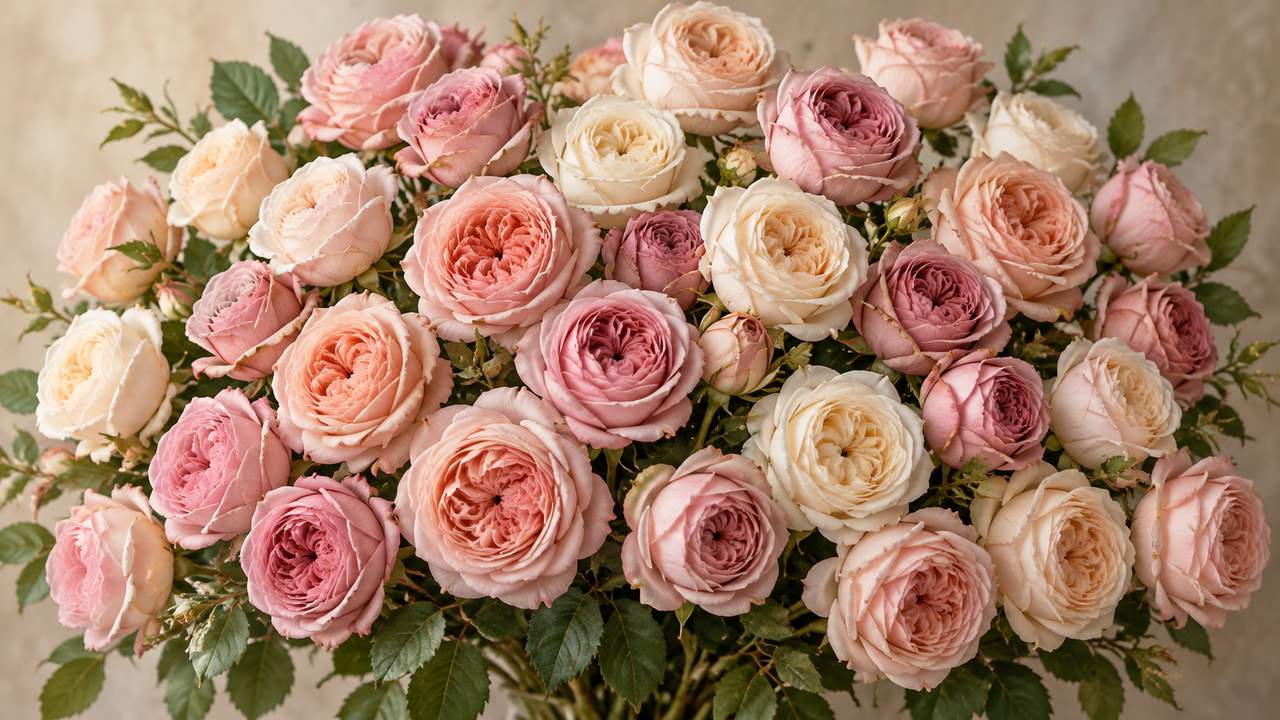
Botanically, such a bouquet is impressive because roses naturally combine delicacy with resilience. Members of the genus Rosa bear layered petals, protective prickles, and fragrant oils that have been cultivated for thousands of years. In a thirty-stem arrangement, repeated spirals of petals produce visual abundance without losing the individuality of each flower—an apt image for two people remaining distinct while building a substantial shared life.
The Primary Meaning of 30 Roses
At its heart, thirty roses communicate faithfulness. They say that affection is not fleeting, conditional, or based merely on novelty. This can refer to romantic fidelity, but it may also express loyalty within a friendship, gratitude toward a parent, or devotion to a person who has offered steadfast support.
The bouquet also represents an enduring bond. Thirty is large enough to suggest emotional history: experiences accumulated, difficulties survived, and promises repeatedly honored. For this reason, it suits established relationships especially well. Its message is less “I have just fallen for you” than “I continue to choose you.”
A third interpretation is mature trust. Trust differs from infatuation because it develops through consistent action. Thirty roses can acknowledge reliability, emotional safety, mutual understanding, and the confidence that each person will protect the relationship. Where a single rose may capture one intense moment, thirty create a fuller portrait of affection sustained in everyday life.
Some modern florists also interpret the number as “my love for you grows stronger.” This reading is not a universal historical rule, but it complements the established themes of devotion and continuity. As with all floriography, the recipient’s culture, the chosen color, and the accompanying message ultimately determine how the gift is understood.
Historical and Cultural Interpretations
In Greco-Roman tradition, roses were associated with Aphrodite or Venus, beauty, desire, and secrecy. The Latin expression sub rosa—“under the rose”—linked the flower with confidentiality, adding an undertone of trusted intimacy. Medieval Christian imagery gave roses devotional meanings, including divine love, martyrdom, and spiritual purity. By the Victorian period, lovers could use bouquets to communicate sentiments that polite society discouraged them from stating openly.
The precise significance of thirty stems is largely a modern floristry convention rather than a fixed Victorian entry. Nevertheless, it inherits centuries of rose symbolism and combines that history with contemporary number lore. In many Western settings, thirty suggests completeness and adult commitment. It may also mark a thirtieth anniversary, birthday, or milestone, turning the stem count into a personal reference.
In China, red flowers are auspicious and associated with happiness, prosperity, and celebration, so thirty red roses can be welcomed as a lavish romantic gesture. In Japan, careful presentation and seasonal sensitivity matter greatly; an elegant, restrained arrangement may be more appropriate than an oversized mass. Across cultures, white flowers can carry either bridal or funerary associations. Context should therefore guide color selection, particularly when the recipient’s customs differ from the giver’s own.
How Color Changes the Message
Color acts as an adjective modifying the numerical message. Thirty red roses declare enduring romantic passion, while thirty pink roses soften it into admiration, tenderness, and gratitude. White emphasizes honesty, remembrance, or a fresh beginning. Yellow traditionally represented jealousy in some older European flower dictionaries, but contemporary recipients usually read it as friendship, optimism, and warmth.
Peach roses convey appreciation and sincerity. Ivory or cream arrangements feel gracious and thoughtful, making cream rose symbolism particularly suitable for refined anniversaries, hosts, mentors, or loved ones who prefer understated beauty. Lavender roses suggest enchantment, while orange roses add energy, desire, and admiration.
Unusual colors require extra care. The celebratory rainbow rose meaning emphasizes individuality and exuberance, although such blooms are artificially colored. Likewise, the blue rose mystery arises partly because naturally true-blue roses do not exist; dyed blue flowers evoke wonder, rarity, or an impossible dream. Very dark burgundy roses are often sold as black, and the black rose meaning can encompass farewell, mourning, transformation, rebellion, or renewal rather than literal romantic devotion.
| Rose choice | Meaning with 30 stems | Best context |
|---|---|---|
| Red | Faithful, enduring romantic love | Anniversary, proposal, devoted partner |
| Pink | Lasting admiration and gratitude | Partner, parent, mentor, close friend |
| White | Loyalty, sincerity, remembrance | Wedding, renewal, memorial tribute |
| Yellow | Steadfast friendship and joy | Friendship milestone, congratulations |
| Cream or peach | Grace, appreciation, mature affection | Elegant celebration or thank-you |
| Mixed colors | A layered relationship or shared journey | Family occasion, birthday, major milestone |
When and to Whom Should You Give 30 Roses?
Thirty roses are ideal for a significant anniversary, especially when honoring many years together or renewing a commitment. They also suit engagements, marriage proposals, milestone birthdays, reconciliations supported by genuine change, and heartfelt declarations within an established partnership. The number may be chosen literally for a thirtieth anniversary or birthday, giving the bouquet an additional layer of meaning.
Romance is not required. Pink, peach, cream, yellow, or mixed roses can recognize a parent’s lifelong support, a friend’s loyalty, or a mentor’s sustained guidance. For professional recipients, however, thirty roses may appear intimate or extravagant. Choose restrained colors, avoid red, and consider whether a smaller arrangement or shared office display would be more comfortable.
- Include a card explaining why you selected thirty stems; number symbolism is not universally recognized.
- Confirm that the recipient has space for a large vase and no severe fragrance sensitivity.
- Send red roses privately when workplace delivery could cause embarrassment or unwanted attention.
- Avoid using an expensive bouquet as a substitute for an apology, accountability, or conversation.
- Check local mourning customs before sending white or very dark roses.
Companion Flowers and Styling
Thirty roses already create considerable volume, so companion flowers should clarify the mood rather than compete with it. Baby’s breath lends softness and an airy, traditional character. White lisianthus reinforces grace and commitment, while ranunculus adds fine petal texture. Stock contributes fragrance and height; waxflower introduces delicate movement; and restrained eucalyptus supplies cool-toned structure.
For romance, combine red roses with burgundy foliage or minimal greenery. For an elegant garden style, blend blush and cream roses with lisianthus, sweet peas, and olive branches. A modern arrangement can use one rose variety, closely grouped, in a low vessel with little foliage. Mixing exactly thirty roses with fillers is acceptable, but if the stem count carries personal significance, tell the florist not to substitute or reduce it.
Care and Vase Longevity
Most cut roses last approximately five to ten days, depending on cultivar, freshness, temperature, and handling. Choose blooms with firm heads, crisp foliage, and outer guard petals that show no extensive browning. Some varieties naturally have softer or ruffled guard petals, so slight irregularity is not necessarily damage.
- Use a thoroughly cleaned, generously sized vase; thirty stems need ample water and support.
- Remove leaves that would sit below the waterline to limit bacterial growth.
- Recut one to two centimeters from each stem at an angle with clean, sharp shears.
- Add commercial flower food and replenish the water daily, replacing cloudy water completely.
- Keep the bouquet away from direct sun, radiators, drafts, and ripening fruit, which releases aging-accelerating ethylene.
If a rose bends just below the flower head, recut the stem and place it in fresh, deeper water for several hours. Avoid crushing stems or relying on household additives such as coins and aspirin; correctly measured floral preservative is more dependable. Gardeners hoping to grow bouquet roses should provide at least six hours of sun, fertile well-drained soil, good airflow, deep watering at the roots, and pruning appropriate to the rose class.
A Lasting Statement
The meaning of thirty roses is powerful because it joins abundance with emotional steadiness. These flowers speak of love tested by time, loyalty expressed through action, and trust carefully earned. Color and presentation can make the message romantic, familial, commemorative, or grateful, but its central promise remains consistent: this relationship matters, its history is valued, and the giver intends to honor the bond for the future.