Table of Contents
Damask Rose (Rosa damascena): The Sacred Perfume Rose of Antiquity and Ispahan
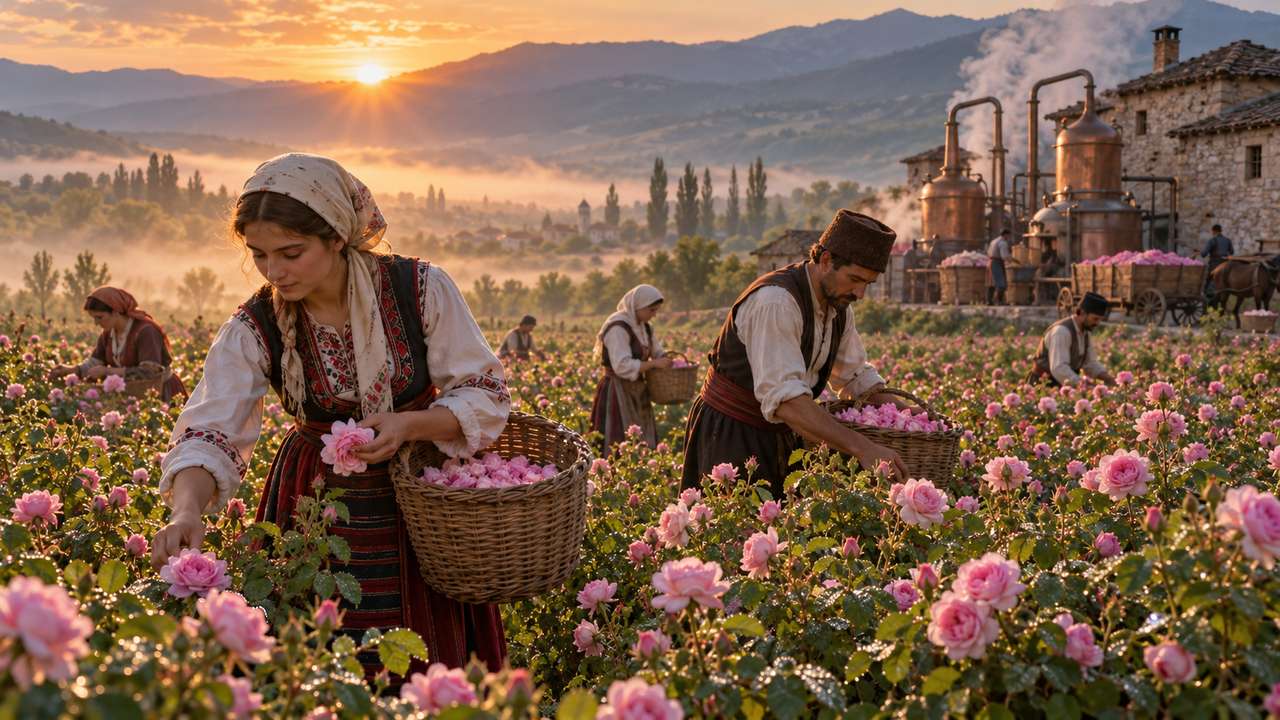
The Damask rose is not merely a beautiful flower; it is one of civilization’s great aromatic treasures. Celebrated for its densely layered petals and deep, honeyed perfume, Rosa damascena has moved through temple gardens, royal courts, physic gardens, poetry, and perfumery for centuries. Its name evokes Damascus, the historic Syrian city associated with gardens and the luxury trade, although botanists generally regard the rose itself as an ancient hybrid with a more complex ancestry and geographic story.
The essential Damask rose meaning is devoted love refined by reverence. Unlike a modern red rose, which can communicate immediate romantic passion, the Damask rose suggests affection made profound by memory, ritual, patience, and sacrifice. It can represent sacred beauty, emotional maturity, feminine dignity, healing, and the bittersweet brevity of life. Botanically, its symbolism is reinforced by its character: a thorn-bearing shrub that produces extravagantly fragrant blossoms, often during one concentrated flowering season.
Botanical Identity and Historical Origins
Rosa damascena belongs to the old garden roses. Genetic research commonly identifies it as a hybrid involving Rosa gallica, Rosa moschata, and a Central Asian wild rose related to Rosa fedtschenkoana. Its precise place of origin remains debated, but its development is connected to the eastern Mediterranean, Persia, and Central or Western Asia. Damascus likely became attached to the rose through cultivation, commerce, and European encounters with the Levant rather than through a simple, documented origin in that city.
Damask roses traditionally fall into two broad groups. Summer Damasks flower once, usually with extraordinary abundance. Autumn Damasks can repeat later in the season and contributed remontant, or repeat-flowering, qualities to later rose breeding. Flowers range from soft blush and shell pink to rich rose-pink, with loosely quartered or tightly packed petals. Their scent is complex: rosy, warm, spicy, green, honeyed, and sometimes faintly citrus-like.
The celebrated cultivar ‘Ispahan’—also written ‘Isfahan’—is named for the historic Persian city renowned for architecture, gardens, and courtly culture. It bears masses of clear pink, strongly scented flowers over a notably long early-summer display. The name gives the cultivar an atmosphere of Persian refinement, but it should not be treated as proof of a precisely documented ancient Iranian origin.
Primary Damask Rose Meanings
- Devoted love: Its many petals suggest affection accumulated over time rather than sudden infatuation.
- Sacred beauty: The rose’s fragrance and historic ceremonial use connect earthly beauty with prayer, purity, and spiritual longing.
- Memory and remembrance: Because scent can summon vivid recollections, Damask roses are powerful emblems of enduring emotional memory.
- Dignity and refinement: Their association with palaces, formal gardens, perfumers, and poets lends them an aristocratic yet contemplative character.
- Healing and consolation: Rosewater and rose preparations have long appeared in domestic, cosmetic, culinary, and medical traditions.
- Beauty’s transience: A fragrant flower that opens magnificently and fades quickly naturally symbolizes mortality and the need to cherish the present.
Symbolism Across Eras and Cultures
In the ancient Mediterranean and Near East, fragrant roses were linked with celebration, luxury, love, funerary remembrance, and divine or royal settings. Historical texts do not always distinguish modern botanical species clearly, so not every “rose of antiquity” can confidently be identified as Rosa damascena. Nevertheless, the Damask rose became an heir to this ancient symbolic vocabulary.
In Persian literary and garden traditions, the rose frequently appears beside the nightingale: beauty and the lover who suffers for it. The rose garden could represent earthly delight, cultivated order, mystical revelation, or the beloved’s face. In Islamic cultures, rose fragrance acquired associations with hospitality, cleanliness, blessing, and spiritual refinement. Rosewater has been used to perfume rooms, flavor sweets, welcome guests, and lend solemn beauty to religious and family occasions.
Medieval and Renaissance Europe received Damask roses through trade and horticultural exchange. They became ingredients in medicines, conserves, scented waters, and cosmetics. Christian symbolism sometimes connected fragrant roses with paradise, martyrdom, charity, or the Virgin Mary, depending on color and context. During the nineteenth-century revival of floriography, old roses generally conveyed enduring beauty and love, while the Damask rose’s historic pedigree gave it additional meanings of dignity, constancy, and remembrance.
Color, Form, and Bouquet Nuance
| Damask Rose Expression | Symbolic Meaning | Best Use |
|---|---|---|
| Pale blush pink | Tenderness, grace, quiet admiration | Weddings, gratitude, new motherhood |
| Clear medium pink | Devotion, happiness, cultivated affection | Anniversaries, birthdays, mentors |
| Deep rose-pink | Passionate loyalty, gratitude, emotional depth | Romantic milestones, heartfelt thanks |
| Open, fading bloom | Memory, maturity, beauty’s transience | Memorial work, artistic arrangements |
| Fragrant garden-style cluster | Abundance, hospitality, shared joy | Home gatherings, garden weddings |
Color changes the emotional temperature. Blush Damasks are gentle and ceremonial; saturated pinks feel warmer and more ardent. For a welcoming palette, compare their softness with the apricot rose meaning. Dusty lilac accents introduce mystery and can echo mauve rose symbolism, while salmon-colored companions add sociability and energy associated with the salmon rose meaning. Cool foliage or pale green blooms can suggest balance, renewal, and the mint green rose significance.
When and to Whom to Give Damask Roses
Give Damask roses when the message deserves history and emotional weight. They are especially suitable for anniversaries, garden weddings, significant birthdays, Mother’s Day, expressions of gratitude, housewarmings, cultural celebrations, and memorial observances. A fragrant plant is an excellent gift for a gardener, parent, mentor, historian, perfumer, or someone who values heritage flowers. For a romantic partner, the rose communicates steadfast intimacy rather than casual flirtation.
Modern etiquette calls for clarity. Because old garden roses can signify both love and remembrance, include a short card explaining your intention. Avoid heavily scented bouquets in hospitals, scent-sensitive homes, and small workplaces. For memorials, choose restrained blush flowers and confirm the family’s customs. For hosts, a potted rose or a modest hand-tied bouquet is often more practical than a large arrangement requiring immediate work.
Companion Flowers and Styling
Damask roses look most convincing in arrangements that respect their garden character. Pair them with jasmine for perfumed romance, myrtle for fidelity, rosemary for remembrance, or lavender for calm devotion. Peonies amplify abundance, while sweet peas and trailing clematis create a poetic cottage-garden effect. For Persian-inspired styling, combine deep pink roses with herbs, pomegranate foliage, delicate white flowers, and hammered metal vessels.
Do not crowd these roses with too many strongly scented species; their perfume is part of their identity. Use asymmetrical stems, visible foliage, and blooms at several stages of opening. Antique silver, aged brass, ceramic, or clear glass suits them better than rigid floral foam designs. In bridal work, bind a small cluster with silk ribbon and add myrtle or rosemary for a bouquet rich in traditional meaning.
Vase Care and Cultivation
Cut garden stems early in the morning when outer petals have loosened but the center remains firm. Use clean, sharp pruners, remove leaves below the waterline, recut stems at an angle, and place them promptly in a scrubbed vase with fresh water and floral preservative. Change the water daily or every other day, keep the arrangement away from direct sun, ripening fruit, and heat, and remove failing blooms. Damask roses may have a shorter vase life than commercial hybrids—often about four to seven days—but compensate with exceptional fragrance.
In the garden, provide at least six hours of sun, fertile but well-drained soil, and good air circulation. Water deeply at soil level and mulch without burying the crown. Many Damasks flower on older wood, so avoid severe winter pruning; remove dead or crossing growth and shape once the main flowering display has finished. Allow enough room for their naturally arching, thorny habit, and confirm local hardiness when choosing a cultivar.
The Enduring Message
The Damask rose means love transformed by time, fragrance, memory, and reverence. It carries the atmosphere of ancient trade routes, Persian gardens, Damascene legend, devotional symbolism, and the craft of the perfumer. Whether represented by the luminous pink ‘Ispahan,’ distilled into rosewater, grown against an old wall, or offered in a loose bouquet, it speaks with unusual depth: cherish beauty, honor memory, and let affection become devotion.