Table of Contents
Just Joey Rose: Ruffled Apricot Petals and Massive Exhibition Blooms
The Just Joey rose is one of the most recognizable hybrid tea roses of the twentieth century. Its enormous, high-centered blooms open into loose, extravagantly ruffled petals colored in copper, amber, apricot, and softly weathered peach. A powerful fruity fragrance completes its appeal. Although the flower looks opulent enough for a formal exhibition bench, its warm coloring gives it an unusually approachable emotional character: magnificent without seeming cold, romantic without making an overt declaration of passion.
British rose breeder Roger Pawsey developed Just Joey for Cants of Colchester, which introduced it in 1972. Its name reportedly arose when Pawsey suggested naming the rose after his son, Joey, and the conversational phrase “just Joey” supplied the memorable cultivar name. The rose later received the Royal Horticultural Society’s Award of Garden Merit and, in 1994, was inducted into the World Federation of Rose Societies’ Rose Hall of Fame as the World’s Favourite Rose.
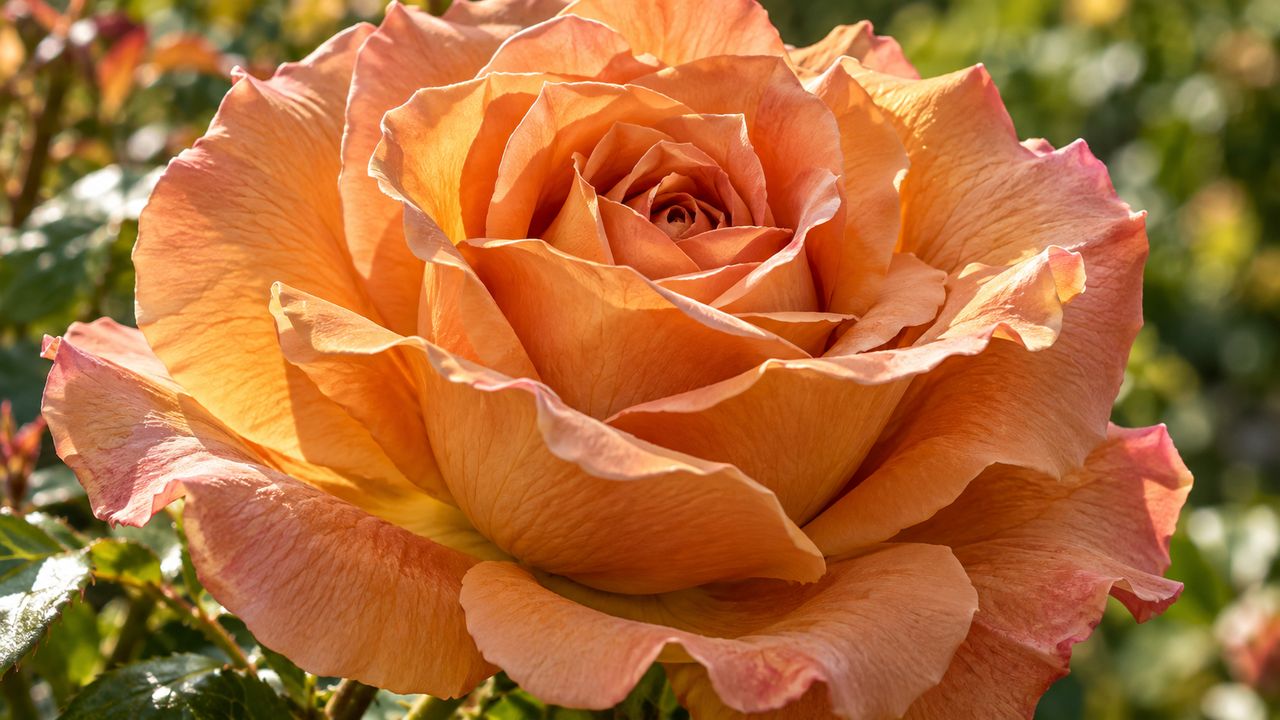
Botanically, Just Joey is a repeat-flowering hybrid tea rose, commonly listed under the cultivar name Rosa ‘Just Joey’. It produces exceptionally large flowers, often 12–15 centimeters across under favorable conditions, on upright stems. Its broad, frilled petals and variable copper-apricot color distinguish it from the rigid, sharply pointed hybrid teas that dominated earlier exhibition fashion.
Primary Meaning: Warmth, Admiration, and Generous Affection
Just Joey has no surviving Victorian dictionary entry of its own because the cultivar did not yet exist during the nineteenth-century flowering of European floriography. Its symbolism must therefore be read through its color, form, fragrance, and modern cultural reputation rather than attributed to an invented antique definition.
Apricot roses generally communicate warmth, gratitude, hospitality, sincere affection, and emerging enthusiasm. These associations make Just Joey less ceremonious than a white rose and less explicitly romantic than a scarlet one. Its color suggests pleasure in another person’s company: “You bring warmth into my life,” “I admire you,” or “Your kindness matters to me.” A fuller exploration of apricot rose meaning helps explain why this cultivar works so beautifully for hosts, mentors, friends, and loved ones.
The size of the bloom modifies that message. Massive flowers traditionally imply abundance, magnificence, confidence, and a desire to honor the recipient visibly. Just Joey therefore expresses generous affection rather than quiet sentiment. Its ruffled edges introduce another nuance: spontaneity and individuality. Unlike a rose whose petals appear perfectly disciplined, it suggests beauty with character, maturity, and a welcome touch of exuberance.
Symbolism Across Eras and Traditions
In the classical Mediterranean world, roses were associated with Aphrodite or Venus, love, beauty, pleasure, and the fleeting nature of life. An apricot rose did not possess a standardized ancient code, but Just Joey’s sunlit bronze colors can be interpreted through classical ideas of ripeness, abundance, and sensuous enjoyment.
During the Victorian era, flowers became instruments of social communication, although meanings varied among published dictionaries and households. Orange and apricot roses were uncommon compared with red, pink, and white forms. In a historically informed modern bouquet, their intermediate coloring can represent a feeling poised between yellow friendship and red desire: fascination, awakening affection, or admiration beginning to deepen.
In contemporary Western floristry, peach and apricot roses frequently symbolize gratitude, sincerity, welcome, and understated romance. In many East Asian settings, orange-toned flowers are also appreciated for their energetic, auspicious visual warmth, particularly in celebratory arrangements. Customs differ, however, and color symbolism is never universal. The recipient’s tastes, religious traditions, and local funeral or wedding conventions should take precedence over any generalized flower dictionary.
| Feature or Context | Symbolic Interpretation | Best Use |
|---|---|---|
| Pale apricot petals | Gentleness, gratitude, and sincere affection | Thank-you gifts, friendship, and hospitality |
| Copper or amber center | Enthusiasm, confidence, and emotional warmth | Congratulations and milestone celebrations |
| Ruffled petal form | Individuality, abundance, and expressive beauty | Creative recipients and dramatic centerpieces |
| Single exhibition bloom | Focused admiration: “You are exceptional” | Mentors, performers, or intimate gestures |
| Full bouquet | Lavish appreciation and joyful affection | Anniversaries, birthdays, and celebrations |
Shades, Variations, and Bouquet Nuance
Just Joey’s color changes with climate, season, and flower age. New petals may display deep copper or orange tones, while mature flowers soften to peach, buff, or creamy apricot. Strong sunlight can bleach the outer petals; cooler weather may intensify the copper coloring. These changes enrich its symbolism, allowing one flower to suggest enthusiasm opening into settled affection.
When paired with salmon-colored roses, Just Joey becomes more animated and romantic because salmon rose meaning often bridges friendship and desire. Mauve companions create a moodier, antique effect; the associations of rarity, enchantment, and cultivated luxury found in mauve rose symbolism emphasize Just Joey’s sophisticated side.
Mint-toned foliage, dyed botanical accents, or naturally green flowers such as hellebores soften its heat and lend a fresh contemporary contrast. The ideas of balance, renewal, prosperity, and good fortune connected with mint green rose significance make this palette particularly effective for housewarmings, business openings, and spring celebrations.
When and How to Give Just Joey Roses
- Birthdays: Choose them for confident, warmhearted recipients who appreciate distinctive flowers rather than conventional red or pink roses.
- Anniversaries: Give a generous bouquet to express mature affection, delight, and continuing admiration without relying on predictable scarlet.
- Thank-you occasions: A few long stems communicate gratitude to a host, teacher, colleague, neighbor, or mentor with elegance.
- Congratulations: Their scale suits promotions, performances, retirements, exhibitions, and creative achievements.
- Housewarmings: Apricot blooms feel welcoming and convivial, especially beside greenery, cream flowers, or terracotta vessels.
- Sympathy: Use restrained numbers and subdued companions when the family welcomes warm colors; always respect local mourning customs.
Modern etiquette favors clarity over rigid numerical codes. One spectacular bloom can signal singular admiration, while three to five stems make a graceful personal gift. Larger bouquets feel celebratory and may carry romantic implications depending on presentation. Include a short note when the relationship could make the message ambiguous. Avoid sending intensely fragrant roses to hospitals, allergy-sensitive recipients, or fragrance-restricted workplaces without checking first.
Companion Flowers and Styling
For a romantic garden arrangement, combine Just Joey with blush spray roses, cream lisianthus, sweet peas, and trailing jasmine. For an autumnal design, add bronze chrysanthemums, rust-colored ranunculus, rose hips, and smoke bush. White delphiniums or airy Queen Anne’s lace lighten the rose’s visual weight, while blue eryngium creates a bolder complementary contrast.
Because each flower is large, allow breathing room rather than packing the heads tightly. Florists can use eucalyptus, olive, or pittosporum to frame the blooms, but should avoid excessive foliage that competes with the ruffled outline. A low ceramic bowl underscores its relaxed warmth; a tall, simple glass vase emphasizes exhibition-quality stems. At weddings, Just Joey suits sunset, orchard, Tuscan, and vintage-inspired palettes, though availability and heat tolerance should be confirmed with the florist.
Cultivation and Cut-Flower Care
Plant Just Joey in fertile, well-drained soil with at least six hours of direct sun and enough space for air circulation. It typically forms an upright, bushy plant approximately 90–120 centimeters tall, although size varies with climate and rootstock. Water deeply at soil level, mulch to stabilize moisture, and feed with a balanced rose fertilizer according to local growing conditions. Deadheading encourages repeat bloom, while late-winter or early-spring pruning removes weak, dead, or crossing growth.
Like many hybrid teas, it may experience black spot, mildew, aphids, or Japanese beetle damage. Good hygiene, open spacing, morning watering, and prompt removal of infected leaves reduce pressure without unnecessary treatment. Cut blooms when the sepals have turned down and the bud is beginning to loosen. Harvest in the cool morning, recut stems at an angle, remove leaves below the waterline, and place them promptly in a clean vase with floral preservative. Refresh the water every two days and keep the arrangement away from direct sun, ripening fruit, and heating vents. Vase life is commonly about five to seven days, depending on harvest stage and conditions.
A Rose of Magnificent Warmth
Just Joey endures because it unites horticultural drama with emotional accessibility. Its immense, perfumed flowers deserve exhibition status, yet its apricot-copper palette speaks in the intimate language of welcome, admiration, gratitude, and affectionate joy. Whether grown as a garden centerpiece, presented as one extraordinary stem, or arranged with complementary flowers, it conveys a generous message: beauty need not be austere, and sincere affection can be both warm and spectacular.