Table of Contents
40 Roses Meaning: Genuine Love Without Reservation and Timeless Loyalty
The central 40 roses meaning is genuine love without reservation: a declaration that affection is wholehearted, enduring, and supported by loyalty. A bouquet of forty roses does not whisper. Its abundance gives the message emotional weight, making it especially appropriate for a devoted partner, a milestone anniversary, or a reconciliation grounded in sincere commitment.
Roses have carried symbolic associations since antiquity. Greeks and Romans connected them with Aphrodite or Venus, beauty, desire, secrecy, and remembrance. During the medieval and Renaissance periods, roses appeared in religious art, heraldry, poetry, and courtly love traditions. By the nineteenth century, European and American gift-givers increasingly used floral dictionaries to construct elaborate messages. The Victorian language of flowers helped popularize the idea that a bouquet’s species, color, condition, and presentation could communicate feelings that etiquette made difficult to express aloud.
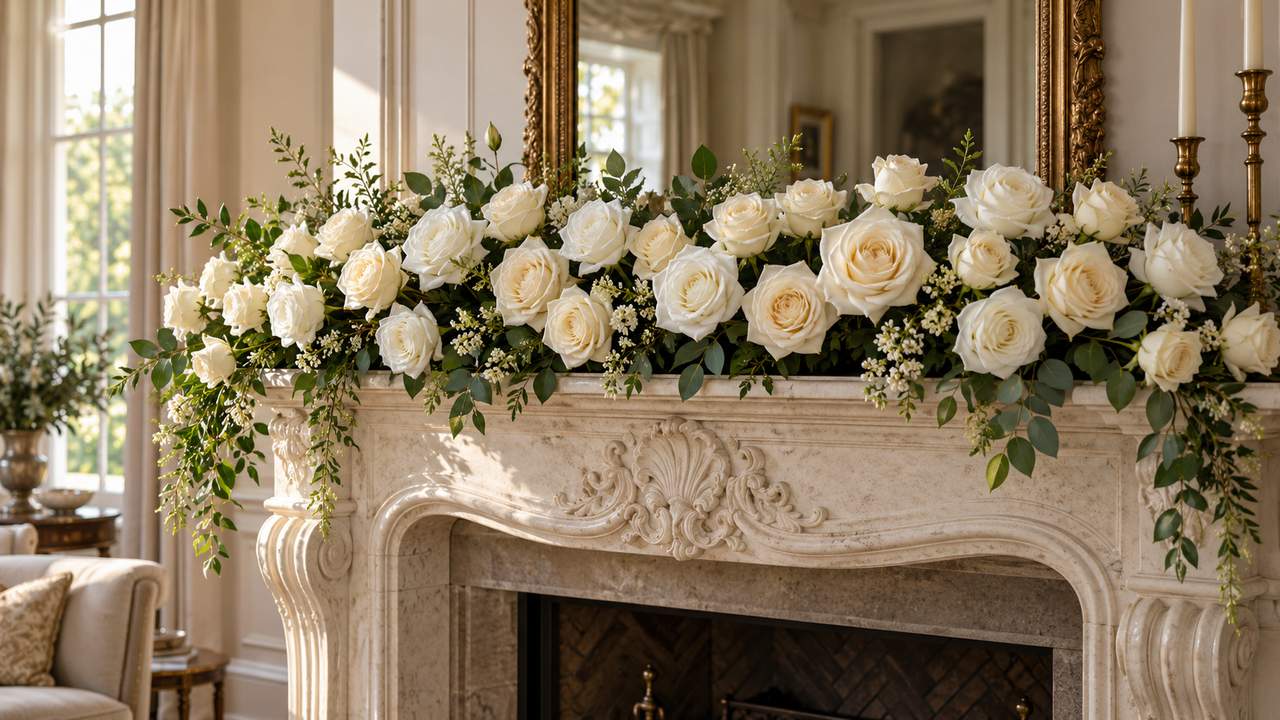
Historically, flower color and arrangement were more consistently interpreted than exact bouquet counts. The symbolism assigned to forty roses is therefore best understood as a modern development built upon older floriographic traditions. Botanically, roses belong to the genus Rosa, a diverse group containing wild species, old garden roses, and thousands of cultivated hybrids. Their layered petals, fragrance, thorns, and repeat-flowering habits have made them unusually rich symbols of beauty, vulnerability, passion, and perseverance.
What Do 40 Roses Symbolize?
Forty roses primarily symbolize complete, sincere, and lasting love. The number magnifies the rose’s established romantic vocabulary: this is not a tentative attraction or a passing infatuation, but affection offered freely and without emotional reservation.
- Unconditional devotion: Forty blooms communicate, “My love for you is wholehearted.”
- Timeless loyalty: The generous count suggests constancy through changing seasons and circumstances.
- Emotional certainty: It conveys confidence in the relationship rather than doubt or hesitation.
- Gratitude for shared history: Each rose can represent a memory, kindness, or stage in a life built together.
- Serious intention: Because forty roses create an impressive display, the bouquet signals that the message deserves attention.
The number forty also carries broader cultural resonance. In Jewish, Christian, and Islamic narratives, periods of forty often represent testing, preparation, transformation, or spiritual completion. In secular life, a fortieth birthday or anniversary marks maturity and accumulated experience. These associations can enrich a forty-rose bouquet, particularly when it celebrates love that has endured challenges. They should not, however, be treated as universal rules: recipients interpret flowers through personal history, faith, and local custom.
How Color Changes the Message
Color determines the emotional register of the arrangement. Before ordering, consider established rose color meanings as well as the recipient’s preferences. A favorite shade often carries more intimacy than strict adherence to a floral dictionary.
| Rose Color | Meaning in a 40-Rose Bouquet | Best Occasion |
|---|---|---|
| Red | Passionate, exclusive, enduring romantic love | Anniversary, proposal, Valentine’s Day |
| Pink | Admiration, tenderness, gratitude, graceful affection | Birthday, appreciation, romantic milestone |
| White | Sincerity, unity, remembrance, loyal new beginnings | Wedding, memorial, vow renewal |
| Yellow | Joy, friendship, optimism, enduring companionship | Friendship celebration, recovery, congratulations |
| Apricot or Peach | Warm affection, hospitality, gratitude, sincerity | Host gift, family celebration, thank-you |
| Lavender | Enchantment, fascination, rare or distinctive love | New romance, dramatic declaration |
| Mixed Colors | A layered relationship combining passion, joy, and gratitude | Milestone birthday, family tribute, anniversary |
Red remains the clearest romantic choice, while pale pink softens the declaration into affectionate admiration. White roses can feel bridal, spiritual, or commemorative depending on context. Yellow roses now commonly express cheerful friendship in Western floristry, although older European dictionaries sometimes associated yellow with jealousy or fading love. Apricot and peach roses create a warmer, less formal effect; the nuanced apricot rose meaning makes them particularly suitable for generous hosts, relatives, and cherished friends.
Cultural Interpretations and Customs
In contemporary Western culture, forty red roses are generally read as an extravagant romantic statement. In parts of East Asia, numerical symbolism may influence the recipient as much as flower lore. The number four can sound similar to the word for death in Chinese and Japanese linguistic contexts, so some people may avoid counts prominently containing four, including forty. This sensitivity is not universal, but it is wise to ask a knowledgeable local florist when sending internationally.
In Russia and several Eastern European countries, even-numbered flower bouquets are traditionally associated with funerals or mourning, while odd counts are preferred for celebratory gifts. A bouquet of exactly forty roses may therefore be inappropriate for romance in those settings. Local customs outweigh generalized online interpretations. In memorial contexts, however, forty white or deep red roses may respectfully represent enduring remembrance when the family’s traditions permit an even count.
When and to Whom Should You Give 40 Roses?
A forty-rose bouquet suits moments of emotional importance. Give it to a spouse or long-term partner for a major anniversary, vow renewal, engagement, or heartfelt declaration. It can also mark a fortieth birthday, celebrate forty years of marriage, or honor four decades of friendship. Pink, yellow, peach, or mixed roses make the gesture appropriate for a parent, mentor, close friend, or valued colleague without implying romance.
Modern etiquette requires attention to scale. Forty roses are physically substantial and may overwhelm a small desk, hospital room, restaurant table, or recipient traveling on public transport. Arrange delivery to the home or event venue, include a large watertight vase, and ensure someone can receive the flowers. Avoid sending an extravagant romantic bouquet to a workplace unless the recipient enjoys public gestures.
Always include a card that explains your intention. A concise message such as “Forty roses for forty wonderful years” prevents ambiguity. If the bouquet accompanies an apology, do not use its size to pressure the recipient into forgiveness. Flowers should support honest communication, not replace accountability or create an obligation.
Companion Flowers and Styling
Forty roses already form a lush arrangement, so companion flowers should clarify rather than crowd the design. White lisianthus adds softness and lasting vase life; ranunculus echoes the rose’s layered form; freesia contributes fragrance; and delphinium introduces height. Baby’s breath creates an airy, traditional look, while eucalyptus, Italian ruscus, or olive branches lend movement and silvery-green contrast.
For romantic drama, arrange forty red roses in a compact dome with minimal foliage. For a garden-inspired design, mix tonal pink roses at different stages of opening with trailing greenery. White roses and olive branches suggest peace and fidelity, while peach roses with cream lisianthus communicate gratitude. A hand-tied spiral bouquet feels natural and mobile; a low vessel suits a dinner table; a tall urn emphasizes ceremony and grandeur.
Botanical Care and Vase Longevity
Most cut roses last five to ten days, although cultivar, harvest maturity, temperature, and handling strongly affect longevity. Choose stems with firm, hydrated petals and buds beginning to loosen. Very hard buds may never open, while bruised outer petals and bent necks can indicate dehydration.
- Use a thoroughly cleaned vase and fill it with fresh, lukewarm water plus commercial flower food.
- Remove every leaf that would sit below the waterline, where decaying foliage encourages bacteria.
- Recut one to two centimeters from each stem at a diagonal using a clean, sharp knife or pruners.
- Keep the arrangement away from direct sun, radiators, drafts, and ripening fruit, which releases aging-promoting ethylene.
- Top up the vase daily and replace the water every two days, cleaning the vessel and recutting stems.
Because forty stems consume water quickly, use a stable, generously sized vase and check it morning and evening. When the bouquet begins to fade, selected blooms can become a keepsake. A careful drying roses technique can preserve their form and much of their color, especially when flowers are dried before their petals become soft or spotted.
A Declaration Meant to Endure
The meaning of forty roses combines abundance with emotional certainty. At its heart, the bouquet says, “I love and value you fully, faithfully, and without reservation.” Color, presentation, relationship, and culture refine that message: red intensifies passion, pink expresses admiration, white evokes unity, and apricot conveys warmth and gratitude. Chosen with sensitivity and accompanied by sincere words, forty roses become more than an impressive floral gift. They offer a living portrait of devotion—beautiful, vulnerable, carefully tended, and intended to endure.