Table of Contents
Coffee Mocha Rose Meaning: Earthy Sophistication, Modern Luxury, and Warmth
The coffee mocha rose meaning centers on earthy sophistication, warm affection, understated luxury, and a love that feels secure rather than showy. With petals ranging from milky café au lait and cinnamon beige to cocoa, taupe, and smoky mauve, these roses replace the theatrical passion of scarlet with something quieter and more contemporary. They suggest candlelit rooms, handcrafted ceramics, autumn textiles, and the comforting ritual of sharing coffee with someone trusted.
Unlike red, white, and pink roses, brown-toned roses do not possess a single, continuous meaning inherited from classical mythology or Victorian flower dictionaries. Most antique roses described as “brown” were actually dusky crimson, russet, or faded purple. True-looking mocha shades became more prominent through twentieth- and twenty-first-century hybridization, greenhouse production, selective photography, and, in some arrangements, professional tinting. Their symbolism is therefore modern but not arbitrary: it grows from established associations of brown with soil, stability, maturity, warmth, and the natural world.
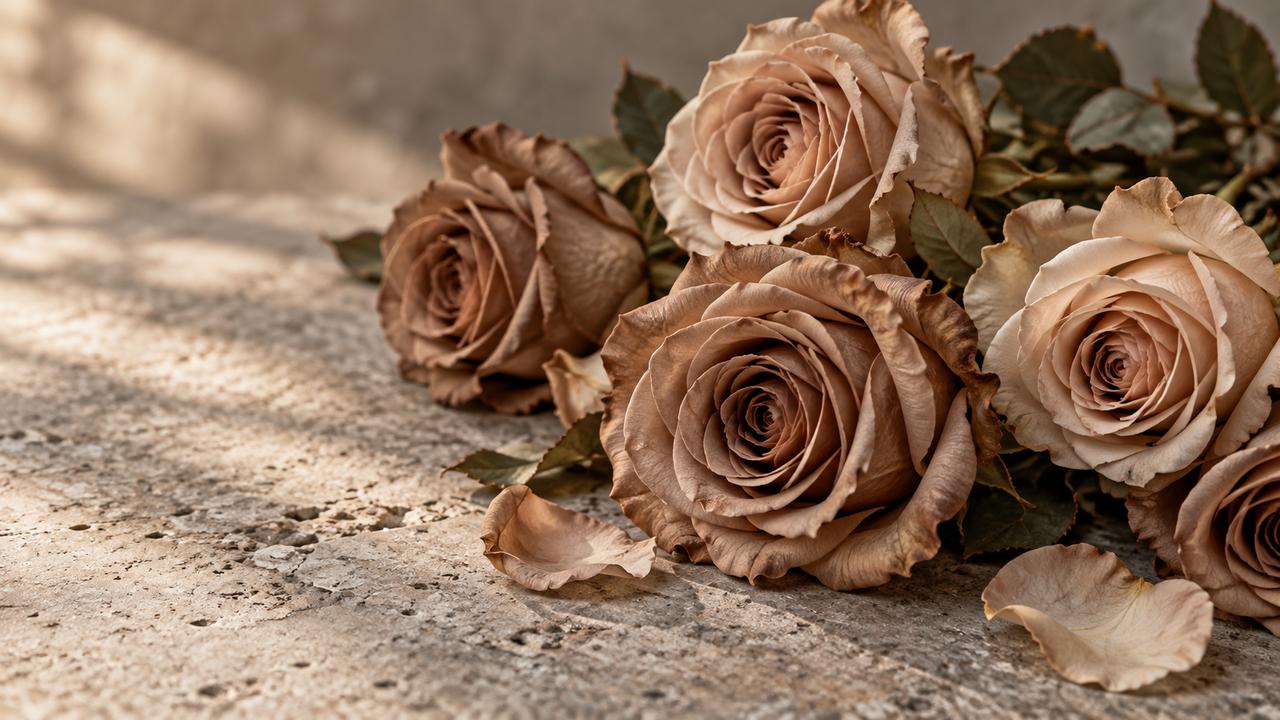
Botanically, “coffee mocha rose” is not one formal species or universally recognized cultivar. Florists use the description for several beige, caramel, latte, taupe, and brownish varieties. Depending on season and supplier, roses sold under this aesthetic may include ‘Cappuccino,’ ‘Toffee,’ ‘Quicksand,’ ‘Amnesia,’ ‘Combo,’ ‘Mocha,’ or similarly toned garden roses and spray roses. Natural coloration can shift with growing temperature, light, petal age, and soil conditions, making every bloom subtly individual.
Primary Meanings of Coffee Mocha Roses
- Earthy sophistication: Mocha roses communicate cultivated taste without ostentation. Their restrained palette suits recipients who appreciate craftsmanship, natural materials, and unconventional beauty.
- Warm, dependable affection: Coffee tones feel comforting and grounded. They can represent a bond built through consistency, shared routines, and emotional safety.
- Modern luxury: Because unusual neutral roses are strongly associated with editorial floristry, boutique weddings, and refined interiors, they symbolize contemporary elegance and exclusivity.
- Maturity and endurance: Brown is the color of earth, wood, and roots. A mocha rose may honor a relationship that has developed depth through time rather than relying on fleeting excitement.
- Individuality: Choosing a muted brown rose over a conventional red or pink one recognizes someone with distinctive preferences and an independent spirit.
- Transition and reflection: Russet and coffee shades recall autumn, making them appropriate symbols of change, harvest, gratitude, and graceful acceptance.
Historical and Cultural Interpretations
In ancient Mediterranean cultures, roses were connected with love, beauty, secrecy, celebration, and mortality, but surviving traditions did not assign a distinct message to mocha-colored blooms. Medieval and Renaissance artists likewise used roses primarily in red, pink, or white to express sacred love, martyrdom, purity, or worldly desire.
Victorian floriography greatly expanded color-coded flower messages, yet genuinely brown roses were unavailable. A faded, withered, or dried rose could imply beauty past its peak, remembrance, or an ending. That historical association occasionally shadows modern brown flowers, but it should not be imposed automatically on fresh mocha roses. Their velvety petals generally read as intentionally neutral and luxurious, not decayed.
In contemporary Western floristry, coffee roses are closely linked to minimalist weddings, autumn ceremonies, bohemian styling, and “quiet luxury.” In Japanese-inspired arrangements, their subdued coloring can complement an appreciation for seasonal impermanence and imperfect, transient beauty. Across cultures where brown signifies fertile land, home, or nourishment, mocha roses may also suggest rootedness and abundance. Cultural meanings are never universal, however, so the recipient’s personal associations should take precedence.
| Shade or Style | Principal Meaning | Best Context | Ideal Pairing |
|---|---|---|---|
| Pale latte or beige | Calm, sincerity, refined simplicity | Weddings, housewarmings, professional thanks | Ivory ranunculus and eucalyptus |
| Caramel or toffee | Warmth, generosity, contentment | Birthdays, anniversaries, autumn dinners | Apricot roses and copper foliage |
| Deep cocoa or chocolate | Depth, mystery, mature devotion | Romance, milestone celebrations, dramatic décor | Burgundy dahlias and chocolate cosmos |
| Mauve-mocha or smoky taupe | Nostalgia, artistry, unconventional grace | Creative gifts and vintage-inspired weddings | Dusty lilac lisianthus and scabiosa |
| Mocha with blush edges | Tenderness grounded by loyalty | Partners, close friends, meaningful thank-you gifts | Dusty pink roses and cream sweet peas |
How Shade, Number, and Presentation Change the Message
Undertone matters. Golden caramel blooms feel welcoming and celebratory, while gray-taupe roses appear restrained, intellectual, and fashion-forward. Pink-brown petals introduce tenderness and gratitude; readers interested in that emotional overlap may also explore the dark pink rose meaning. Deep cocoa creates a more dramatic declaration, especially beside burgundy or black-centered flowers.
The number of stems adds another layer. A single rose offers a polished gesture of admiration. Three may express “I love you,” acknowledge a relationship’s past, present, and future, or create a deliberately intimate gift; this fuller guide to three roses meaning explains the tradition. A dozen feels romantic and generous, while a loose garden-style armful conveys abundance without rigid formality.
Natural versus tinted color also affects interpretation. Dyed roses can achieve striking espresso or metallic-brown effects, but etiquette favors transparency: ask the florist whether the color is natural, tinted, or painted, particularly when ordering for a wedding or sending to someone who values organically grown flowers.
Occasions, Recipients, and Modern Etiquette
Coffee mocha roses are excellent for anniversaries, autumn birthdays, engagements, housewarmings, promotions, client gifts, and dinner-host thank-yous. They suit romantic partners who dislike predictable red roses, design-conscious friends, mentors, and anyone entering a mature new chapter. Their gender-neutral palette also makes them versatile across personal and professional relationships.
For weddings, mocha roses express grounded partnership and cultivated elegance. Combine them with cream for serenity, blush for romance, terracotta for warmth, or burgundy for evening drama. Full, many-petaled garden forms can evoke the romantic character associated with David Austin English roses, although availability and fragrance vary by cultivar.
They may be used for condolences, especially when the deceased loved gardening, autumn, coffee culture, or neutral colors. However, brown can feel somber in some settings. Soften it with ivory flowers and greenery, include a sincere card, and consult established guidance on roses for sympathy before sending an unconventional arrangement to a formal service.
Modern etiquette is simple: match the bouquet to the recipient rather than forcing a fixed symbolic code. Include a note that clarifies your intention, such as “For the warmth and steadiness you bring to my life.” Avoid an intensely bridal arrangement for a casual colleague, and check for fragrance sensitivity before choosing heavily scented garden roses.
Companion Flowers and Styling Advice
For an organic, tonal bouquet, pair mocha roses with cream lisianthus, cappuccino-colored carnations, beige chrysanthemums, dried grasses, seed heads, and olive foliage. Apricot ranunculus, rust dahlias, and bronze amaranthus create an autumnal composition. Blush sweet peas and dusty pink roses make the palette romantic, while burgundy scabiosa, hellebores, or chocolate cosmos add shadow and drama.
Use asymmetry and varied stem heights to keep neutral arrangements alive. Matte ceramic vessels, amber glass, aged brass, or stoneware reinforce the earthy mood. Crisp white containers produce a modern gallery effect. Because too many beige elements can look flat, incorporate at least one contrast: glossy foliage, a pale focal flower, dark seed pods, or airy movement from grasses.
Care, Vase Life, and Cultivation
Most cut mocha roses last approximately five to ten days, depending on cultivar and freshness. Choose blooms with firm outer petals and buds beginning to loosen. Recut stems at a 45-degree angle with clean shears, remove foliage below the waterline, and place them promptly in a sanitized vase filled with fresh water and floral preservative. Refresh the water every one or two days and keep the arrangement away from direct sun, heaters, drafts, and ripening fruit, whose ethylene gas accelerates aging.
Gardeners should buy a named cultivar suitable for their climate rather than relying on a color label. Brown tones are often strongest in cool conditions; heat may shift petals toward apricot, pink, or lavender. Plant in fertile, well-drained soil with generous sunlight and airflow, water deeply at soil level, mulch around—not against—the crown, and prune according to rose class. Expect natural variation: the elusive, changeable color is part of the rose’s appeal.
A Rose of Grounded Elegance
Ultimately, the coffee mocha rose meaning is one of warmth refined by restraint. These unusual blooms honor affection that is steady, taste that is individual, and luxury expressed through texture and nuance rather than brightness. Whether offered to a partner, friend, host, mentor, or newly married couple, they communicate a memorable message: you are valued not only for your beauty, but for your depth, comfort, and enduring presence.