Table of Contents
36 Roses Meaning: Remembering Romantic Moments, Head Over Heels in Love
Thirty-six roses make an unmistakably romantic statement. Traditionally interpreted as “I am head over heels in love” or “I will always remember our romantic moments,” a bouquet of three dozen roses expresses devotion on a grand, celebratory scale. It is more emphatic than a single dozen, yet still elegant enough for an anniversary, proposal, or private declaration of love.
The symbolism combines old floral traditions with modern bouquet numerology. Roses have represented love, beauty, secrecy, and desire since classical antiquity. Aphrodite and Venus were closely associated with the flower, while medieval poets made the rose an emblem of courtly love. During the nineteenth century, the Victorian language of flowers gave different rose colors and stages of bloom increasingly precise messages. Exact numerical codes, including the popular interpretation of 36 roses, developed more strongly through later floristry, commercial gifting customs, and East Asian number traditions.
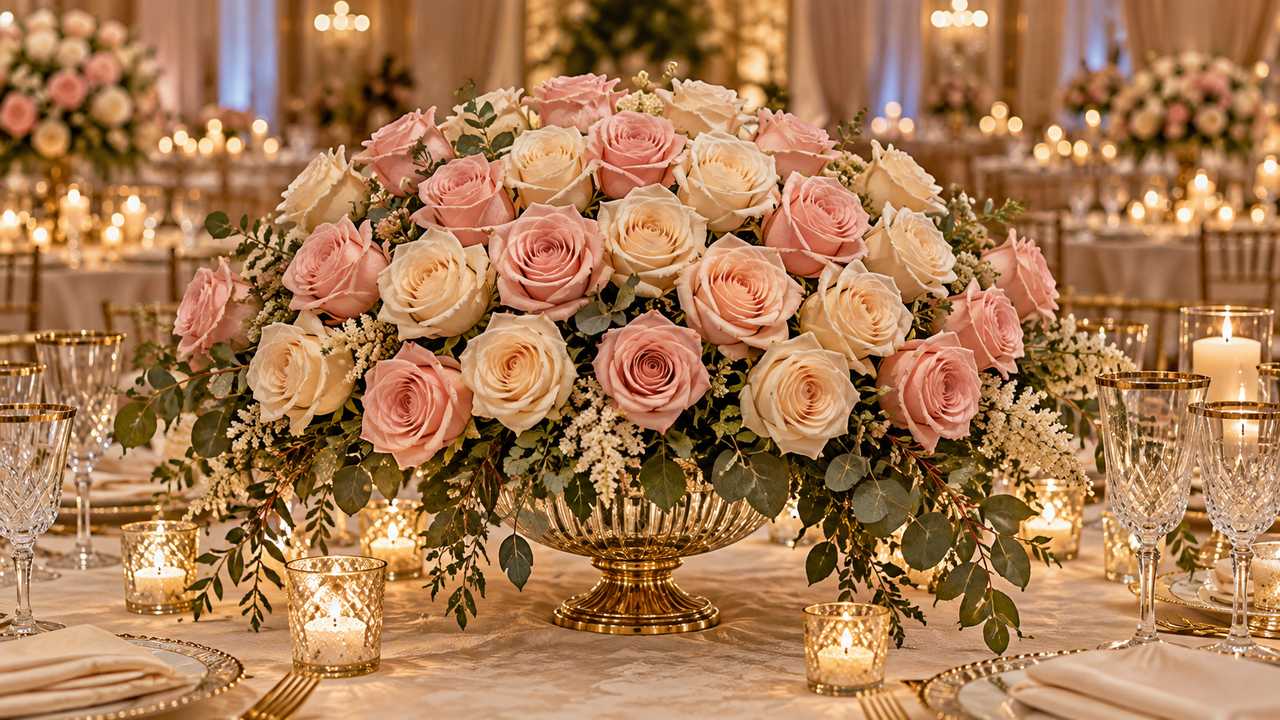
Botanically, the symbolism is supported by abundance. Most cultivated roses belong to the genus Rosa, with modern cut-flower varieties bred for long stems, symmetrical blooms, repeated flowering, and good vase life. When 36 stems are gathered together, their layered petals create extraordinary visual depth. The bouquet communicates not merely affection, but love overflowing.
What Is the Primary Meaning of 36 Roses?
The central 36 roses meaning is wholehearted romantic infatuation: “I am head over heels in love with you.” It suggests that love has moved beyond casual attraction and become joyful, consuming, and certain. Because 36 is three complete dozens, it also conveys generosity, completeness, and emotional abundance.
A second widely recognized interpretation is remembrance: “I treasure every romantic moment we have shared.” This makes three dozen roses especially appropriate for established couples. The flowers can honor first dates, travels, wedding memories, reconciliations, and the ordinary moments that have shaped a relationship.
The number also carries a subtle progression. A gift of three roses often means “I love you,” reflecting the three words in that declaration; readers interested in that smaller but intimate gesture can explore the three roses meaning. Thirty-six roses magnify that message twelvefold, turning a concise confession into an extravagant affirmation.
- Head-over-heels love: Passionate admiration and emotional surrender.
- Romantic remembrance: Gratitude for meaningful experiences shared together.
- Commitment: A serious intention to nurture the relationship.
- Abundance: Love that feels generous, flourishing, and difficult to contain.
- Celebration: Recognition of an important romantic milestone.
Historical and Cultural Interpretations
Ancient cultures did not assign a universally documented message to exactly 36 roses. Instead, they established the symbolic foundation of the rose itself. Greek and Roman traditions linked red roses with divine love, beauty, and desire. In Persian poetry, the rose became the beloved of the nightingale, embodying exquisite beauty and longing. Christian art later associated red roses with sacrifice and white roses with purity.
Victorian floriography refined the flower’s vocabulary. A red rose signified love; a white rose suggested innocence; a yellow rose could indicate jealousy or diminished affection in some nineteenth-century dictionaries. The presentation also mattered: buds suggested youth, open blossoms maturity, and even the direction in which flowers were offered could alter the intended response. However, modern claims that every bouquet number came directly from Victorian manuals should be treated cautiously. The familiar numerical meaning of 36 roses is principally a contemporary convention.
In many Western settings, three dozen roses represent luxurious romance. In Chinese-influenced gifting culture, numbers may receive additional attention because of their sounds and associations. The number three can suggest growth or vitality, while six is commonly considered smooth, fortunate, or favorable. Interpretations vary by language and region, but 36 is generally more celebratory than problematic. Local custom and the recipient’s personal beliefs should always take precedence over a generalized chart.
How Color Changes the Message
| Rose Color | Meaning in a 36-Rose Bouquet | Best Occasion |
|---|---|---|
| Red | Profound passion, commitment, and enduring romantic love | Anniversary, proposal, Valentine’s Day |
| Pink | Admiration, tenderness, gratitude, and joyful affection | Birthday, romantic celebration, thank-you |
| White | Sincerity, unity, reverence, and a new beginning | Wedding, engagement, vow renewal |
| Orange | Desire, fascination, enthusiasm, and magnetic attraction | New romance, passionate surprise |
| Lavender | Enchantment, rarity, and love at first sight | Courtship, first-date anniversary |
| Yellow | Warmth, friendship, optimism, and shared happiness | Friendship milestone, congratulations |
| Mixed | A layered relationship with affection, desire, gratitude, and hope | Personalized anniversary or reunion |
Red remains the clearest choice for an unambiguous declaration of passionate love. Deep crimson feels mature and dramatic, while brighter scarlet feels energetic. Pink softens the message: pale blush communicates gentleness, medium pink admiration, and deep pink gratitude. Orange varieties create a more spirited arrangement, and the established language of orange rose symbolism makes them ideal when attraction and excitement are central.
Lavender roses introduce wonder and a dreamlike quality. Their association with enchantment makes them particularly expressive in a new relationship; the full lavender rose meaning includes mystery, uniqueness, and love at first sight. White roses can indicate pure intention or lasting unity, although all-white arrangements may have memorial associations in some cultures. Yellow roses are now commonly joyful and friendly, but recipients familiar with older European symbolism may read them differently.
When and How to Give 36 Roses
Three dozen roses suit significant moments rather than casual gestures. Give them for a major anniversary, marriage proposal, engagement celebration, milestone birthday, Valentine’s Day, romantic reunion, or a carefully considered apology. They are also effective as an unexpected gift commemorating a first meeting or another private memory.
The recipient is usually a spouse, fiancé, long-term partner, or someone with whom romantic intentions are clearly mutual. Because the arrangement is large and emotionally intense, it may overwhelm a very new date or create unwanted pressure. For friends, relatives, or colleagues, choose non-romantic colors and explain the celebratory purpose in the card.
Modern etiquette favors personalization over spectacle. Arrange delivery when the recipient can comfortably receive and transport the bouquet. Avoid sending an enormous romantic display to a workplace unless public attention is welcome. Include a short note clarifying your meaning, such as, “Thirty-six roses for all the moments I remember and all those still ahead.” If the recipient has allergies, pets, limited space, or ethical concerns about imported flowers, consider locally grown, lightly scented, or sustainably certified roses.
Companion Flowers and Styling
A classic hand-tied bouquet of 36 roses needs little embellishment. Removing excessive foliage and grouping the stems in a rounded spiral allows the blooms to form a luxurious dome. For contemporary styling, use one rose variety, restrained greenery, matte paper, and silk or cotton ribbon. A garden-inspired arrangement can combine roses at different stages of opening for natural movement.
Baby’s breath adds airy romance but can make the design feel traditional. Lisianthus contributes softness, ranunculus adds intricate petal texture, and tulips create a fresh seasonal silhouette. White orchids lend polish, while stock or sweet peas provide fragrance. Eucalyptus offers silvery contrast, though its strong scent should be used sparingly. For a bouquet intended to mean “head over heels,” red roses with burgundy foliage feel dramatic; for treasured memories, blush roses with white lisianthus and delicate greenery feel intimate and nostalgic.
Keeping Three Dozen Roses Fresh
A dense bouquet requires attentive care because crowded foliage encourages bacterial growth. Use a thoroughly cleaned, generously sized vase and fill it with fresh lukewarm water mixed with commercial flower food. Remove every leaf that would sit below the waterline. With clean, sharp shears, trim 2 to 3 centimeters from each stem at a 45-degree angle before placing it in water.
Check the water daily, as 36 roses drink heavily. Replace cloudy water immediately and recut the stems every two or three days. Keep the arrangement away from direct sunlight, radiators, air-conditioning vents, and ripening fruit; fruit releases ethylene gas, which accelerates aging. In cool conditions, quality cut roses commonly last seven to ten days, and some varieties remain attractive longer. Remove fading outer petals and individual spent blooms promptly so the remaining flowers stay clean and well ventilated.
A Grand but Personal Declaration
Ultimately, the 36 roses meaning unites romantic abandon with affectionate remembrance. Three dozen blooms say that love is abundant, that shared moments matter, and that the giver’s feelings are serious enough to be expressed generously. Color, presentation, cultural context, and the accompanying words refine that message. Chosen with sensitivity and cared for properly, 36 roses become more than an impressive bouquet: they form a living archive of romance and a hopeful promise of memories still to come.