Table of Contents
Tangerine Rose Meaning: Enthusiasm, Creative Sparks, and Daring Ambition
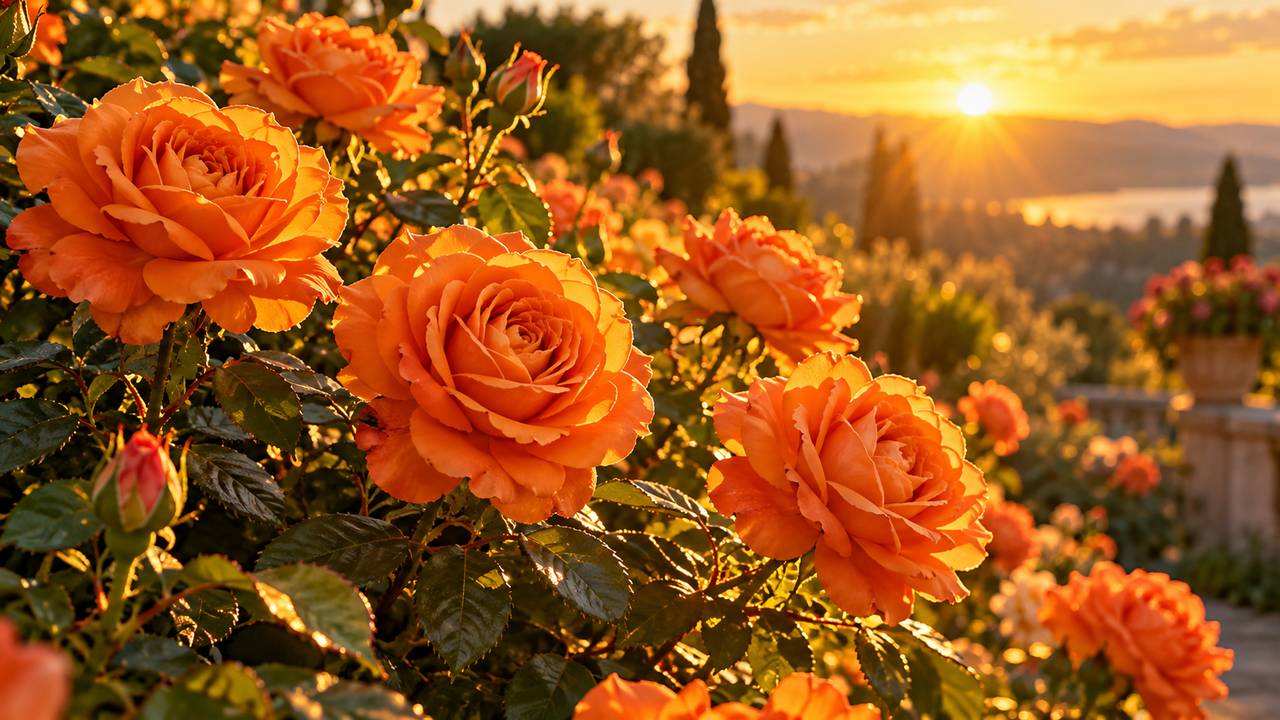
Tangerine roses seem to hold sunlight in their petals. More vivid than peach and warmer than conventional orange, their color evokes citrus peel, glowing embers, and the last brilliant minutes of sunset. The central tangerine rose meaning is enthusiastic desire: an energetic blend of fascination, creativity, confidence, and forward motion. These flowers can express attraction, but they are equally eloquent when celebrating a new venture, applauding an ambitious achievement, or encouraging someone to act on an inspired idea.
Unlike red, white, and pink roses, orange-toned roses have no long lineage in ancient European gardens. True orange shades became widely available only after nineteenth- and twentieth-century breeders crossed yellow roses with red and pink cultivars. Their symbolism is therefore largely modern. It draws on older color associations—red for passion and yellow for warmth—while reflecting a contemporary admiration for boldness and individuality. Botanically, “tangerine rose” describes a color rather than a separate species: the shade occurs among hybrid teas, floribundas, shrub roses, climbers, and other cultivated groups.
What Do Tangerine Roses Symbolize?
The most distinctive quality of a tangerine rose is momentum. A red rose may communicate established romantic love, while a yellow rose traditionally suggests friendship and cheer. Tangerine occupies the emotional space between them: interest is intensifying, possibilities are opening, and something exciting is about to happen.
- Enthusiasm: The saturated color conveys wholehearted excitement, making these roses ideal for celebrating a project, journey, performance, or fresh beginning.
- Fascination and attraction: Tangerine roses can signal magnetic interest without making the solemn declaration associated with deep red blooms.
- Creative energy: Their flame-like petals symbolize imagination, experimentation, and the courage to make an unusual idea visible.
- Ambition and success: Orange is an assertive, high-energy color, so tangerine roses honor leadership, entrepreneurial spirit, and hard-won progress.
- Encouragement: A bright arrangement can say “keep going,” especially during a career change, competition, demanding course, or artistic challenge.
- Zest for life: Their citrus color represents sociability, adventure, optimism, and an appetite for new experiences.
Historical and Cultural Interpretations
Classical and medieval rose symbolism centered on naturally available colors. Red roses became associated with Aphrodite or Venus, desire, martyrdom, and dynastic power; white roses represented purity, secrecy, or sacred devotion. Orange roses were absent from this early vocabulary because European roses did not yet produce clear orange pigments.
During the Victorian enthusiasm for floriography, gift-givers consulted flower dictionaries to compose coded messages. Yet surviving dictionaries were inconsistent, and orange roses were not a standard entry. It is misleading to assign them a fixed Victorian definition. Their recognizable modern identity emerged through hybridization, particularly as breeders combined the repeat-flowering qualities and expanded color range of Asian roses with European garden stock. By the twentieth century, coral, apricot, flame, and orange cultivars had become fashionable symbols of modern vitality.
Today, Western floristry commonly interprets tangerine roses as desire, energy, and celebration. In color psychology, orange combines the urgency of red with the optimism of yellow. In many East and South Asian settings, warm orange or saffron tones may also suggest auspiciousness, courage, spiritual intensity, or festivity, although customs differ by religion and region. The recipient’s personal and cultural associations should always take precedence over a supposedly universal code.
Shade, Tone, and Bouquet Context
Small shifts in hue alter the message. Pale tangerine leaning toward apricot feels gracious, affectionate, and approachable. Clear citrus orange appears youthful and celebratory. A saturated red-orange conveys ardor, daring, and physical attraction, while coppery or burnt tangerine suggests autumnal richness, resilience, and mature confidence. Variegated petals with yellow bases create a playful sense of transformation; pink-edged orange roses soften ambition with tenderness.
| Tangerine Variation | Primary Message | Best Occasion | Effective Pairing |
|---|---|---|---|
| Pale apricot-tangerine | Warm affection and gentle encouragement | Thank-you, new friendship, or recovery | Cream roses and chamomile |
| Bright citrus orange | Joy, momentum, and creative excitement | Launch, graduation, or promotion | Yellow ranunculus and fresh greenery |
| Fiery red-orange | Fascination, confidence, and desire | Romantic date or anniversary | Burgundy dahlias and red roses |
| Copper or burnt tangerine | Mature ambition and resilient warmth | Autumn wedding or milestone | Bronze chrysanthemums and grasses |
The surrounding flowers refine the statement. Tangerine and red roses intensify romantic heat; tangerine and yellow communicate exuberant friendship. White flowers add polish and make the orange appear brighter, while pink introduces tenderness. For a layered message of admiration and thanks, consult the dark pink rose meaning before combining the two colors.
When and to Whom Should You Give Tangerine Roses?
Give tangerine roses when energy matters more than solemnity. They are excellent for graduations, promotions, opening nights, business launches, housewarmings, sporting victories, birthdays, and congratulations on completed creative work. They suit an adventurous partner, an inspiring colleague, a mentor with a bold personality, or a friend beginning a new chapter.
In romance, they work especially well early in a relationship, when “I am captivated by you” may feel more honest than red roses’ traditional “I love you.” Established couples can use them to rekindle spontaneity. Three stems make an intimate, deliberate gesture; because stem counts sometimes carry an additional message, the guide to three roses meaning can help clarify the symbolism.
Modern etiquette favors context over rigid rules. Include a short card stating why you chose the color, particularly in professional or cross-cultural situations. A compact vase arrangement is easier for an office recipient than a large hand-tied bouquet. Avoid sending intensely fiery roses anonymously, because they may imply romantic pursuit. Tangerine is also not the conventional first choice for bereavement: softer apricot can express warmth, but families may prefer subdued colors. When loss is involved, follow established guidance on roses for sympathy and respect the family’s traditions.
Companion Flowers and Styling
For a garden-inspired arrangement, combine tangerine roses with cream lisianthus, apricot ranunculus, airy cosmos, and olive or eucalyptus foliage. A modern graphic bouquet can pair them with white calla lilies and glossy leaves. For autumn, add rust dahlias, amaranthus, rose hips, and copper beech. Blue delphiniums or eryngium create a dramatic complementary contrast, while burgundy scabiosa lends depth.
Texture matters as much as color. Single-form flowers make formal hybrid tea roses feel less rigid; grasses add movement, and clustered spray roses produce abundance. Fragrant, many-petaled David Austin English roses can give an arrangement a romantic garden character, although their cupped forms and fragrance may require gentler handling than standard florist roses.
Care, Vase Life, and Garden Cultivation
For cut roses, use a clean vase and dissolve flower food in room-temperature water. Remove every leaf that would sit below the waterline, then recut 2 to 3 centimeters from each stem at a sharp angle with clean shears. Place the arrangement away from direct sun, heating vents, and ripening fruit, which releases bloom-aging ethylene. Refresh the water, wash the vase, and recut the stems every two days. Properly handled roses commonly last five to ten days, depending on cultivar and freshness.
In the garden, choose a cultivar suited to the local climate rather than selecting by color alone. Most roses need at least six hours of sun, fertile but well-drained soil, and consistent deep watering at the root zone. Good air circulation helps discourage black spot and mildew. Feed according to soil conditions, deadhead repeat bloomers, and avoid excessive nitrogen, which encourages leaves at the expense of flowers. Strong sunlight and cool nights often deepen orange pigments, while heat can fade some cultivars toward apricot.
A Rose for Bold Beginnings
The tangerine rose meaning is ultimately one of inspired action. It celebrates attraction before it becomes certainty, ambition as it becomes achievement, and creativity at the instant an idea catches fire. Whether offered to a romantic interest, an inventive friend, or someone taking a courageous leap, these roses say more than “congratulations.” They say: your energy is visible, your daring is admirable, and the future deserves to be met with color.