Table of Contents
1 Rose Meaning: Love at First Sight, Singular Devotion, and Eternal Focus
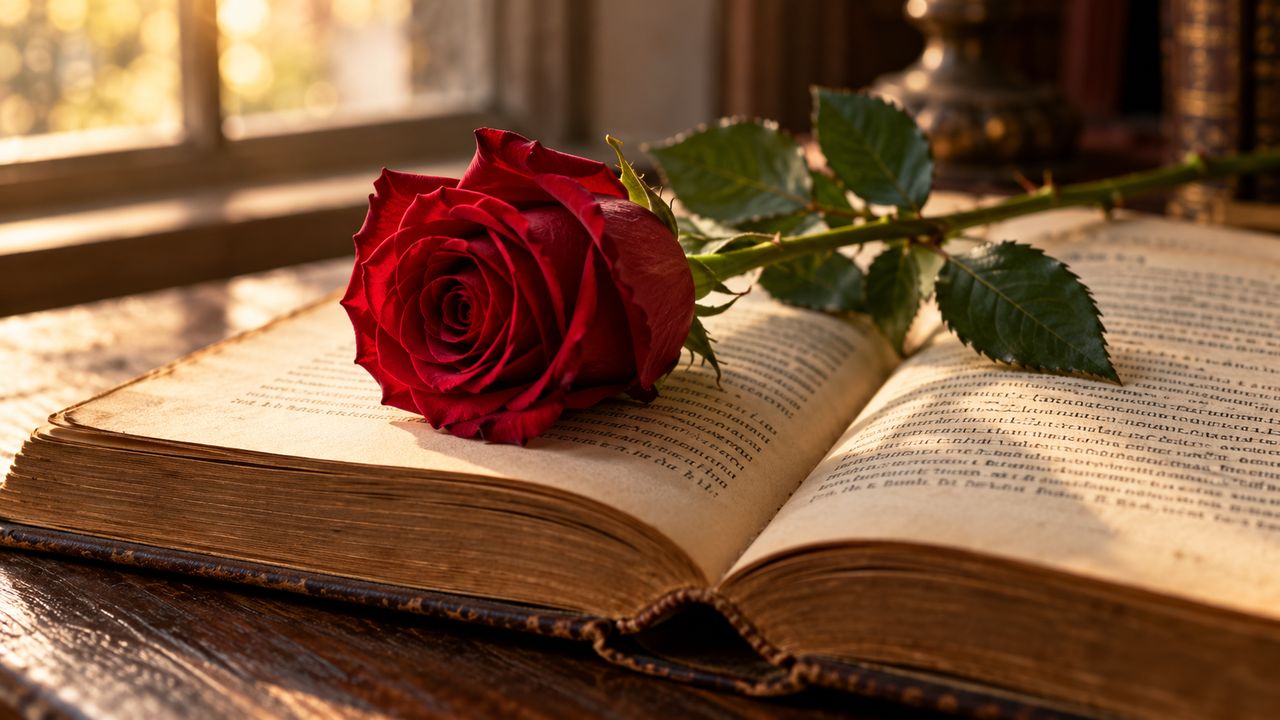
The meaning of one rose is both simple and remarkably profound: one flower, one beloved, one unwavering intention. A single rose traditionally communicates love at first sight, singular devotion, or the message “you are the one.” Unlike a large bouquet, which creates its effect through abundance, one rose draws attention through restraint. Its solitary form makes the recipient—and the giver’s feeling—the unmistakable focus.
This symbolism developed through centuries of rose lore. Roses were associated with Aphrodite and Venus in the classical Mediterranean world, became emblems of sacred love and secrecy in medieval Europe, and acquired highly specific messages during the nineteenth-century fashion for floriography. In the Victorian language of flowers, color, condition, presentation, and even the direction of a bloom could alter a floral message. Modern gifting is less rigid, yet the botanical elegance of a single stem still conveys emotional clarity: amid hundreds of cultivated rose varieties, just one has been deliberately chosen.
What Does One Rose Mean?
The primary 1 rose meaning is exclusive attention. In romantic settings, it often says, “My heart is focused on you.” This can signify an immediate spark at the beginning of a relationship or enduring loyalty after many years together. Context determines whether the gesture feels like flirtation, confession, reassurance, remembrance, or gratitude.
- Love at first sight: One rose is a classic symbol of sudden attraction and the recognition of someone exceptional.
- Singular devotion: The lone stem represents one chosen person and an undivided heart.
- Simplicity and sincerity: Without decorative excess, the gesture can feel candid, intimate, and emotionally confident.
- Unity: A single bloom may symbolize two lives joined by one purpose, promise, or bond.
- Remembrance: At a memorial, one rose can honor one life, one memory, or an enduring connection.
Rose-number symbolism should not be confused with strict historical law. While modern guides often assign fixed messages to particular quantities, meanings have always varied by region and occasion. Today, a single rose generally feels more personal and understated than three roses, which are commonly interpreted as “I love you.” Readers comparing quantities may find the traditional three roses meaning useful when deciding whether to express focused admiration or a fuller declaration.
Historical and Cultural Interpretations
In ancient Greek and Roman traditions, the rose belonged to the realm of beauty, desire, and divine love. Roman banquets also used roses in connection with confidentiality, contributing to the later phrase sub rosa, or “under the rose.” A lone rose could therefore suggest not only affection but also a private confidence shared between two people.
Medieval Christian symbolism gave the rose additional layers. Red roses could evoke sacrifice and martyrdom, while white roses represented purity and spiritual grace. Courtly-love traditions likewise celebrated the beloved as unique and unattainable, making the image of one perfect rose especially resonant.
During the Victorian era, flowers enabled socially constrained admirers to communicate indirectly. A single rosebud might indicate youthful beauty or love not yet fully declared, while a fully opened rose suggested mature feeling. In contemporary Western culture, one red rose remains unmistakably romantic. In parts of East Asia, however, presentation, color, and local associations may matter more than number alone. White flowers, for example, can carry funerary connotations in some communities. Cultural awareness is therefore as important as symbolic tradition.
How Color Changes the Message
The number establishes focus, but color determines emotional tone. A florist-quality rose may also contain gradients, flushed outer petals, or unusually colored edges, so the message should be read from the flower’s dominant shade and the circumstances in which it is given.
| Rose Color | Meaning of One Rose | Best Occasion |
|---|---|---|
| Red | Romantic love, desire, and exclusive devotion | First date, anniversary, Valentine’s Day |
| Pink | Admiration, sweetness, gratitude, or gentle affection | Thank-you, birthday, new romance |
| White | Purity, sincerity, remembrance, and new beginnings | Wedding, sympathy, reconciliation |
| Yellow | Friendship, joy, warmth, and encouragement | Celebration, recovery, friendship |
| Orange | Fascination, energy, enthusiasm, and attraction | Congratulations, passionate courtship |
| Lavender | Enchantment, rarity, and mysterious attraction | Love at first sight, imaginative romance |
| Peach | Appreciation, sincerity, and quiet warmth | Host gift, professional thanks |
A fiery single bloom suits an energetic relationship, and the fuller traditions behind orange rose symbolism include pride, desire, and excitement. Lavender is more dreamlike. The lavender rose meaning is closely linked to enchantment and love at first sight, making one lavender stem especially appropriate when someone seems extraordinary or almost otherworldly.
Rosebuds, Open Blooms, and Presentation
A tight rosebud represents potential, innocence, or a feeling that is beginning to unfold. A half-open bloom suggests anticipation and developing intimacy. A fully open rose conveys confidence, emotional maturity, and love openly expressed. Florists may remove damaged outer “guard petals,” but these thicker petals naturally protect the bloom during growth and transport; retaining attractive guard petals can create a romantic, garden-grown appearance.
Presentation changes the mood. One long-stemmed rose wrapped in paper feels polished and ceremonial. An unwrapped garden rose feels spontaneous and personal. A rose placed in a bud vase becomes a quiet domestic gesture, while a boxed or preserved rose emphasizes longevity. Avoid excessive cellophane, glitter, or artificial dye when elegance is the goal. A ribbon, handwritten note, or simple botanical paper usually complements the symbolism better.
When and to Whom Should You Give One Rose?
A single rose is ideal for a first date because it shows thoughtfulness without imposing the social weight of a lavish bouquet. Red is direct and romantic; pink or peach is gentler when the relationship is new. For an established partner, one rose can be more moving than many when accompanied by a specific memory or sincere message. It also suits anniversaries, proposals, homecomings, and private celebrations.
For friends, colleagues, teachers, or hosts, choose yellow, peach, or soft pink unless romance is clearly intended. A white or pale pink rose can express sympathy, but customs surrounding mourning differ, so consider the recipient’s faith and culture. At weddings, one rose may be given to a parent, carried as a minimalist bridal flower, or placed at an empty seat in remembrance.
Modern etiquette favors clarity and respect. Do not send a red rose anonymously if it may cause anxiety or unwanted romantic pressure. Choose a neutral shade in professional settings, include a short signed card, and ensure the recipient is comfortable receiving flowers publicly. If scent sensitivity, allergies, pets, or workplace policies are concerns, ask discreetly or select another gesture.
Companion Flowers and Styling
Although one rose is symbolically complete, restrained companions can frame rather than dilute it. Baby’s breath adds airy innocence; eucalyptus contributes cool structure and fragrance; ruscus creates a clean, architectural line; and waxflower suggests enduring affection through numerous tiny blooms. For a garden style, pair the rose with a small amount of jasmine, rosemary, or seasonal foliage.
Keep the rose visually dominant. Use no more than one or two supporting materials, repeat its color subtly, and avoid large companion flowers that compete with the focal bloom. A narrow ceramic bud vase, clear glass bottle, or low brass vessel enhances its sculptural silhouette. For formal romance, select a long, straight stem. For rustic affection, choose a fragrant garden rose with an irregular petal form.
Care and Vase Longevity
Roses are woody flowering shrubs in the genus Rosa, and a cut stem continues to lose moisture through its leaves and petals. To maximize vase life, recut 2–3 centimeters from the stem at a 45-degree angle with a clean, sharp blade. Remove all foliage that would sit below the waterline, since submerged leaves encourage bacterial growth.
- Place the rose immediately in a clean vase filled with fresh, room-temperature water and commercial flower food.
- Change the water every one or two days, rinsing the vase and trimming the stem again.
- Keep the bloom away from direct sun, radiators, drafts, and ripening fruit, which releases aging-promoting ethylene gas.
- If the head droops, recut the stem and allow it to hydrate in deeper water in a cool room.
- Dry the rose before it fades completely by hanging it upside down in a dark, ventilated place.
A Singular Flower with a Lasting Message
The enduring power of one rose lies in concentration. It can express instant attraction, faithful love, gratitude, remembrance, or hopeful beginnings without relying on extravagance. Color refines the emotion, the stage of bloom suggests how a relationship is unfolding, and thoughtful presentation makes the message personal. Whether offered on a first date, placed beside a memorial photograph, or left unexpectedly for a longtime partner, a single rose says that one person, one feeling, or one cherished moment deserves complete attention.