Table of Contents
Juliet Rose: David Austin’s Legendary Million-Dollar Peach Wedding Rose
The Juliet rose is one of modern floristry’s most recognizable luxury flowers: a many-petalled, cup-shaped rose whose warm peach center opens into softer apricot and cream outer petals. Its beauty feels simultaneously antique and contemporary. The bloom recalls the densely layered garden roses painted by Dutch masters, yet its luminous coloring and immaculate form make it especially suited to modern weddings.
Introduced by David Austin Roses at the RHS Chelsea Flower Show in 2006, Juliet reportedly took approximately 15 years and £3 million to develop. That breeding investment—not the price of an individual stem—created its “million-dollar rose” legend. Known by the breeder code AUSjameson, Juliet was developed primarily as a premium cut rose rather than an ordinary garden shrub. It combines the romantic character of an English garden rose with the consistency, stem quality, and vase performance required by professional florists.
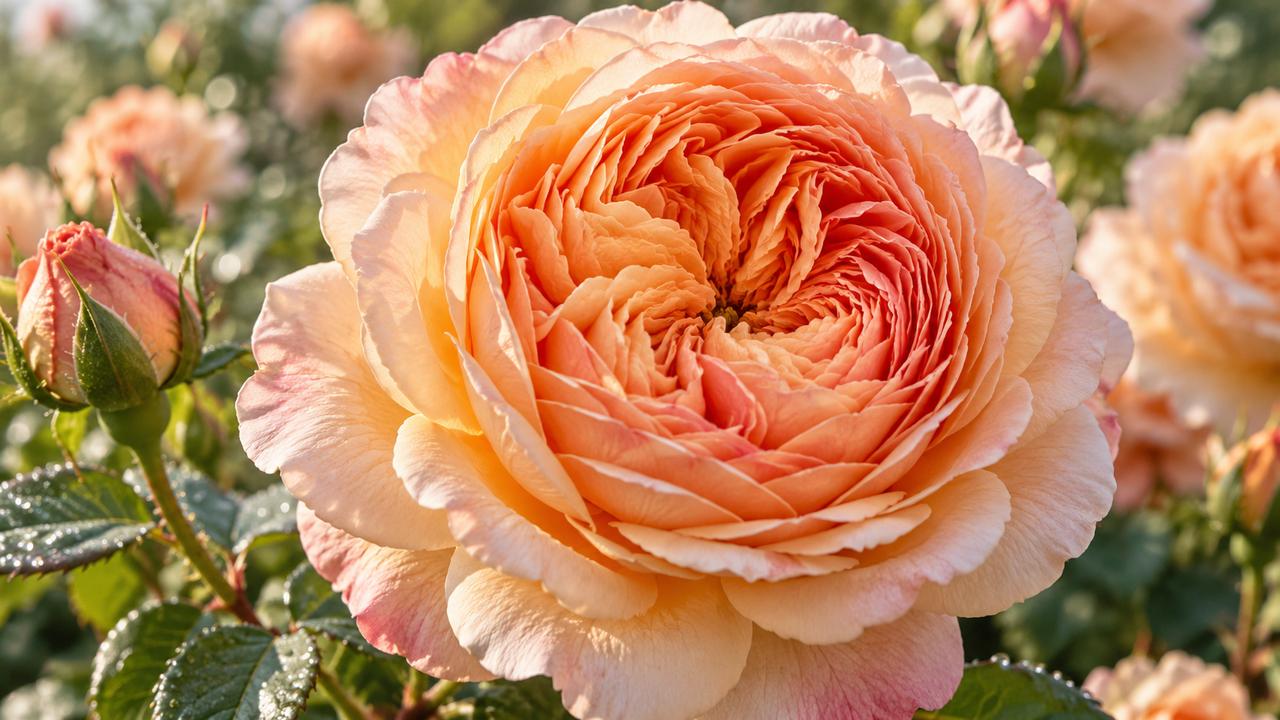
What is the deeper Juliet rose meaning? At its heart, Juliet represents warm affection, graceful devotion, sincerity, and a love that is both passionate and emotionally secure. Its peach-apricot color tempers the intensity traditionally associated with red roses, making it an eloquent symbol of mature romance, gratitude, and hopeful new beginnings.
The Primary Meaning of the Juliet Rose
Juliet’s symbolism arises from three interwoven elements: its color, its form, and its name. Peach roses commonly communicate appreciation, modesty, sincerity, and gentle desire. Juliet’s densely folded rosette adds ideas of abundance, emotional depth, and a love that gradually reveals itself. Meanwhile, the name evokes Shakespeare’s Juliet, lending the flower an unmistakably romantic association.
- Romantic devotion: Its abundant petals suggest love with depth, tenderness, and emotional generosity.
- Sincerity: Peach is softer than scarlet and warmer than ivory, expressing honest affection without theatrical intensity.
- Gratitude: Juliet roses can say “I treasure what you have brought into my life” with exceptional elegance.
- New beginnings: Their sunrise-like palette makes them fitting for weddings, engagements, new homes, and life transitions.
- Refined luxury: Their breeding history, limited production, and sculptural appearance signify rarity and discerning taste.
- Enduring beauty: The bloom opens slowly, creating a poetic image of affection unfolding over time.
History, Shakespeare, and Floriography
Although Juliet looks like an old European rose, it is a twenty-first-century creation. It therefore does not possess a documented entry in the classic Victorian flower dictionaries. Historical floriography assigned meanings to broader categories—such as red, white, yellow, and blush roses—rather than to this modern cultivar. Claims that Victorians used Juliet roses to send secret messages are consequently anachronistic.
Its present meaning nevertheless draws credibly from older traditions. Roses have symbolized love since classical antiquity, when they were associated with Aphrodite and Venus. In medieval and Renaissance Europe, the rose acquired spiritual, dynastic, and courtly meanings. By the nineteenth century, bouquets could communicate sentiments that social convention made difficult to voice openly.
The name “Juliet” adds literary emotion. Shakespeare’s heroine signifies youthful love, courage, loyalty, and tragic intensity. Yet the flower need not imply doomed romance. Contemporary florists usually interpret it as a celebration of wholehearted devotion. For a wedding, Juliet’s story is best framed around bravery in love and the choice to cherish another person—not around the tragedy of the play.
Color Nuance and Cultural Interpretation
Juliet is often described as peach, apricot, or warm blush, but a mature bloom contains several tones. The heart may appear saturated apricot, while the guard petals can lean toward champagne, shell pink, or creamy beige. This tonal movement affects its message.
| Color or Context | Symbolic Emphasis | Best Use |
|---|---|---|
| Deep apricot center | Warmth, attraction, enthusiasm | Romantic gifts and autumn weddings |
| Classic peach | Sincerity, gratitude, gentle affection | Thank-you bouquets and anniversaries |
| Champagne outer petals | Grace, elegance, quiet luxury | Bridal bouquets and formal celebrations |
| Blush-peach pairing | Tenderness, admiration, emotional openness | Engagements and intimate weddings |
| Ivory-peach arrangement | Unity, trust, hopeful beginnings | Ceremonies and new-home gifts |
In Western wedding culture, peach roses often signify gratitude, harmony, and optimism. Across many East Asian celebrations, peach and warm coral tones can suggest vitality, prosperity, and happiness, although customs vary greatly by country and family. In contemporary international floristry, Juliet is generally read as celebratory rather than mournful. Local etiquette should still guide gifts intended for religious services, funerals, or highly traditional households.
When and to Whom Should You Give Juliet Roses?
Juliet roses are ideal when red seems too forceful, pink too sweet, and white too formal. Give them to a romantic partner to express affectionate commitment, especially for an anniversary, proposal, or milestone birthday. They are equally appropriate for a close friend, parent, mentor, or host because peach carries gratitude without necessarily declaring romantic passion.
- Weddings: Use them for bridal bouquets, ceremony flowers, or an elegant gift to the couple.
- Engagements: Their opening rosettes symbolize a shared future unfolding.
- Anniversaries: They communicate lasting warmth rather than fleeting infatuation.
- Thank-you gifts: Peach expresses appreciation with more distinction than a generic mixed bouquet.
- New beginnings: Choose them for a new home, career, creative venture, or family celebration.
- Sympathy: Use sparingly with ivory flowers when comforting someone who appreciates warm, life-affirming colors.
Modern etiquette favors intentionality over rigid flower codes. Include a brief card explaining your message, particularly in a non-romantic relationship. Odd numbers often create a natural-looking hand-tied bouquet, while a dozen feels formal and generous. Order well in advance for weddings: genuine Juliet cut roses are premium, seasonally sensitive, and not always available through ordinary retail florists.
Companion Flowers and Bouquet Styling
Juliet is a focal flower, so companions should support rather than conceal its rosette. Ivory garden roses, sweet peas, ranunculus, hellebores, and lisianthus create a soft English-garden composition. Cream blooms reinforce elegance and thoughtfulness; the associations described in cream rose symbolism make them especially harmonious wedding companions.
For a meadow-inspired arrangement, add foxglove, delphinium, scabiosa, chamomile, or airy grasses. Olive, jasmine vine, and eucalyptus introduce movement, although heavily aromatic greenery may compete with the roses. Terracotta, caramel, and burgundy accents produce an autumnal palette, while pale blue delphinium creates romantic contrast. That natural blue feels serene and achievable, unlike the fantasy and longing associated with the blue rose mystery.
Avoid combining Juliet indiscriminately with novelty-dyed flowers. The exuberant rainbow rose meaning suits playful celebrations, but its saturated colors can overpower Juliet’s nuanced peach tones. Likewise, the dramatic associations explored in black rose meaning create a theatrical, gothic story rather than Juliet’s customary mood of luminous tenderness. If dark contrast is desired, use restrained plum foliage or chocolate cosmos instead.
Care, Vase Life, and Botanical Practicalities
Buy stems whose outer petals feel firm and whose centers are beginning to loosen. A tightly closed flower may fail to open, while a fully expanded bloom has already spent much of its vase life. Remove leaves that would sit below the waterline, recut one to two centimeters from each stem at a 45-degree angle with a clean blade, and place the roses immediately in a spotless vase containing fresh water and commercial flower food.
Keep arrangements away from direct sun, radiators, drafts, and ripening fruit, which releases ethylene gas and accelerates aging. Refresh the water every one or two days, clean the vase, and recut the stems as needed. With careful handling, quality Juliet stems commonly remain attractive for roughly five to seven days, sometimes longer under cool professional conditions.
Juliet is chiefly supplied as a florist cut rose through licensed growers. Consumers should not assume that a bouquet stem can be rooted successfully or legally propagated. Gardeners seeking a similar effect should choose a nursery-authorized David Austin garden cultivar suited to their climate rather than purchasing mislabeled “Juliet” plants from unreliable sellers.
A Rose of Warm, Intentional Love
The enduring Juliet rose meaning is not simply romance. It is affectionate love refined by sincerity, gratitude, courage, and grace. Its Shakespearean name supplies emotional drama, while its peach coloring keeps that drama warm and hopeful. Whether carried down an aisle, offered for an anniversary, or arranged as an unforgettable thank-you, Juliet speaks most beautifully when the giver wants to say: “What we share is rare, deeply valued, and still unfolding.”