Table of Contents
12 Roses Meaning: The Ultimate Declaration of Complete and Steadfast Love
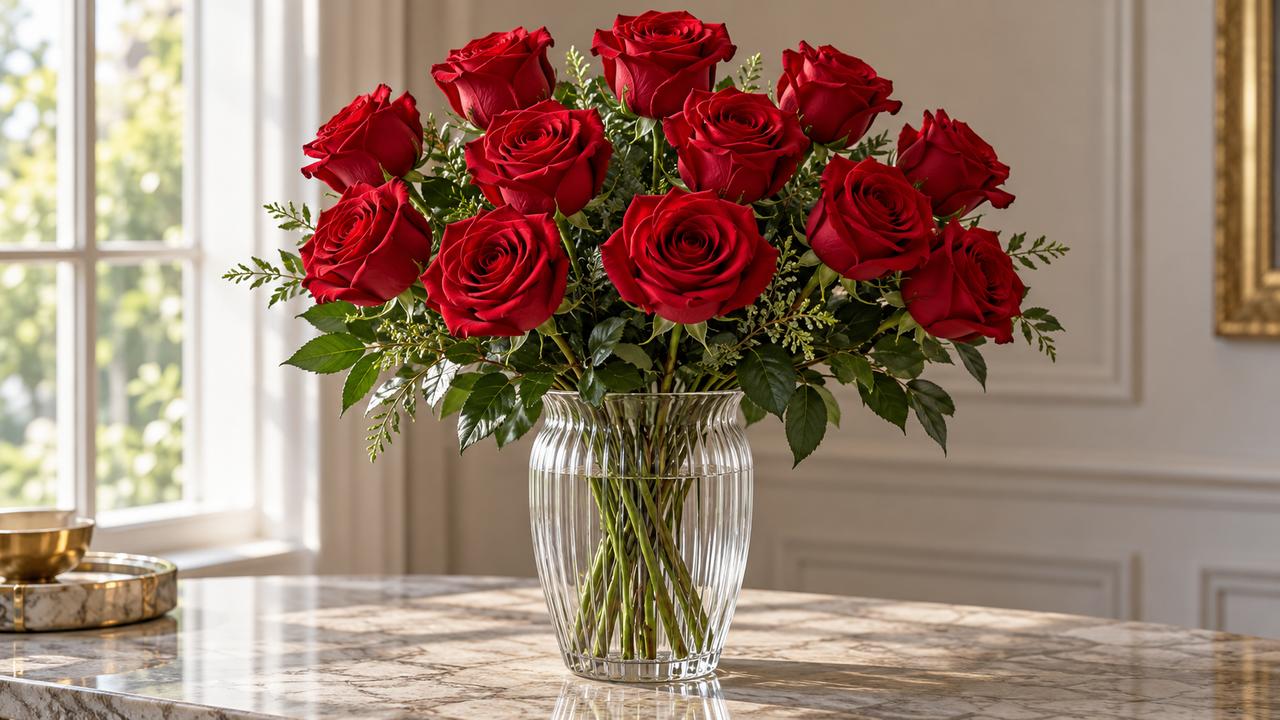
To give twelve roses is to make a love statement that feels whole, deliberate, and enduring. The traditional 12 roses meaning is “Be mine,” but the bouquet carries richer implications: complete devotion, constancy through every season, and the desire to build a lasting partnership. Unlike a single rose, which can express immediate attraction, or a smaller arrangement associated with a particular romantic phrase, twelve roses suggest that affection has matured into a confident declaration.
This symbolism developed from several overlapping traditions. Roses had represented love, beauty, secrecy, and mortality since antiquity, appearing in Greek and Roman stories associated with Aphrodite and Venus. During the nineteenth century, European and American enthusiasm for coded bouquets turned flower selection into a sophisticated social language. The Victorian language of flowers assigned meaning not only to species and colors but also to presentation, condition, and number. Although numerical rose symbolism was standardized more fully by modern floristry, twelve became especially compelling because it already signified order and completeness.
Botanically, the message is strengthened by the rose itself. Garden roses belong to the genus Rosa, a diverse group of woody perennials whose layered petals, fragrance, and protective prickles have long embodied the rewards and vulnerabilities of love. A dozen blooms unite that ancient floral emblem with a number deeply embedded in calendars, clocks, mythology, and ceremony.
What Do 12 Roses Mean?
At their romantic core, twelve roses say, “I love you completely, and I choose you.” The number twelve evokes a finished cycle: twelve months complete a year, twelve hours mark each half of a day, and twelve signs form the zodiac. In a relationship, the bouquet can therefore symbolize love that remains present through time—morning and evening, month after month, and season after season.
The arrangement also communicates intentionality. A dozen roses is substantial enough to feel ceremonial without becoming extravagant or impersonal. Florists often regard it as the classic balanced bouquet: visually generous, easy to hold, and naturally suited to symmetrical or rounded designs. Its principal meanings include:
- Complete love: affection offered wholeheartedly rather than tentatively.
- Commitment: a wish to establish, renew, or deepen an exclusive bond.
- Constancy: loyalty that persists through change, distance, and difficulty.
- Unity: two lives brought into a harmonious partnership.
- Gratitude: appreciation for a beloved person and the shared history of a relationship.
- “Be mine”: the best-known traditional phrase attached to a dozen roses.
Numbers can alter the tone of a rose gift. Three blooms often convey the concise declaration “I love you,” with each flower sometimes interpreted as past, present, and future. Understanding the three roses meaning helps distinguish that intimate message from the fuller, more formal promise represented by twelve.
Historical and Cultural Interpretations
Ancient cultures did not leave a universal rule stating that twelve roses meant steadfast love. The contemporary meaning instead combines the long history of rose symbolism with the sacred, civic, and cosmological importance of twelve. In Greco-Roman tradition, twelve was associated with divine and social order. In Christian contexts, it recalled the twelve apostles; elsewhere, lunar and zodiacal cycles connected it with cosmic completeness.
By the Victorian era, bouquets could communicate sentiments that etiquette made difficult to express aloud. Red roses signified passionate love, white roses purity, and pink roses grace or admiration. Later commercial floristry—particularly during the twentieth century—made the dozen a recognizable romantic standard. The format became closely associated with Valentine’s Day, anniversaries, proposals, and cinematic courtship.
Today, twelve roses are widely understood as romantic across Europe and North America, but cultural context still matters. In many East Asian settings, red is auspicious and celebratory, making red roses suitable for both romance and joyful milestones. White flowers, however, may be associated with mourning in parts of Asia, so an all-white dozen should be chosen carefully. Some recipients also attach importance to even and odd flower counts. In several Eastern European traditions, even-numbered bouquets are strongly linked with funerals; a gift of twelve roses may therefore be inappropriate despite its familiar Western meaning. Local custom should always take precedence over generalized symbolism.
How Rose Color Changes the Message
Number establishes the bouquet’s framework, while color determines its emotional voice. Twelve red roses remain the definitive declaration of romantic commitment, but other shades can express admiration, friendship, reconciliation, or enchantment.
| Rose Color | Meaning in a Dozen | Best Context |
|---|---|---|
| Red | Passionate, complete, and steadfast love | Anniversaries, proposals, Valentine’s Day |
| Pink | Tender affection, gratitude, and admiration | New romance, birthdays, sincere thanks |
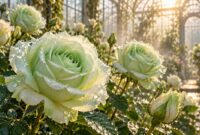
| White | Purity, loyalty, remembrance, and new beginnings | Weddings, memorials, milestone transitions |
| Yellow | Warm friendship, happiness, and encouragement | Congratulations, friendship, recovery wishes |
| Orange | Desire, fascination, energy, and proud enthusiasm | Passionate courtship or major achievements |
| Lavender | Enchantment, rarity, and love at first sight | A distinctive new romance |
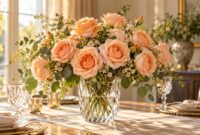
| Peach | Sincerity, appreciation, and gentle warmth | Thank-you gifts and understated affection |
Orange roses occupy the expressive space between yellow friendship and red passion. Their fiery tones communicate attraction and excitement; a fuller exploration of orange rose symbolism can help determine whether they suit an energetic romance or celebratory gift. Lavender roses are more dreamlike. The traditional lavender rose meaning centers on enchantment, mystery, and immediate fascination.
Mixed colors create layered sentences. Six red and six white roses may signify unity, particularly for engagements and weddings. Red and pink combine passion with tenderness, while yellow and orange produce an optimistic, exuberant gift. Avoid mixing colors merely for visual variety when the recipient is likely to interpret each shade symbolically.
When and to Whom Should You Give Twelve Roses?
A dozen red roses is especially appropriate for a spouse, fiancé, or established romantic partner. It can mark a first anniversary, renew commitment after many years, accompany a marriage proposal, or affirm love without requiring a calendar occasion. In a new relationship, however, twelve red roses may feel intensely serious. Pink, peach, or a mixed pastel dozen can convey affection without implying a level of commitment that has not yet developed.
Twelve roses are not exclusively romantic. Yellow roses can honor a close friend; pink roses can thank a parent, mentor, or host; white roses can acknowledge a wedding or dignified remembrance. The accompanying message should remove ambiguity. A brief card such as “With gratitude for everything you do” prevents a non-romantic bouquet from being misread.
Modern Rose-Gifting Etiquette
- Consider the recipient’s culture, allergies, color preferences, and relationship to you before relying on tradition.
- Send roses to a workplace only if public attention will be welcome; private delivery is often more considerate.
- Choose naturally colored blooms when authenticity matters. Artificially dyed blue, black, or rainbow roses create novelty but carry less established symbolism.
- Include a personal note. The sender’s intention is ultimately more authoritative than any flower dictionary.
- For hospitals, confirm that cut flowers are permitted, as some wards restrict them for hygiene or allergy reasons.
Companion Flowers and Bouquet Styling
For classical romance, pair long-stemmed red roses with restrained greenery such as Italian ruscus, salal, or eucalyptus. Too much filler can diminish the visual authority of twelve individual blooms. White waxflower or gypsophila adds delicacy, though the latter creates a distinctly traditional appearance.
For a garden-inspired arrangement, combine roses with lisianthus, ranunculus, sweet peas, or fragrant stock. Each contributes softness without overwhelming the roses. Carnations improve volume and longevity; lilies create drama but may dominate through fragrance and pollen. For a modern design, group a single rose variety tightly, keep stems at graduated heights, and use sculptural foliage or flowering branches asymmetrically.
Presentation also changes meaning. Fully open garden roses feel abundant and intimate, high-centered hybrid teas look formal, and spray roses appear playful. A hand-tied bouquet wrapped in paper feels personal, while a vase arrangement is convenient and ceremonial. Removing excessive plastic and avoiding glitter, artificial gems, or heavy dye usually preserves the flowers’ natural elegance.
Botanical Care for a Longer-Lasting Dozen
Quality roses should have firm stems, fresh green sepals, and outer guard petals that protect the bloom. Slightly closed flowers generally last longer, although they should show enough color to indicate maturity. Avoid stems with yellow foliage, soft necks, or bruised petals.
- Wash the vase thoroughly to reduce bacteria, then fill it with fresh lukewarm water and commercial flower food.
- Remove every leaf that would sit below the waterline.
- Recut 2–3 centimeters from each stem at an angle with a clean, sharp knife or pruners.
- Keep the arrangement away from direct sun, radiators, drafts, and ripening fruit, which releases flower-aging ethylene gas.
- Refresh the water every one or two days, clean the vase, and recut the stems if uptake slows.
Most florist roses remain attractive for approximately five to ten days, depending on cultivar, freshness, and care. Roses grown in a garden prefer generous sunlight, fertile but well-drained soil, consistent deep watering, and good air circulation. Water the soil rather than the foliage to reduce fungal disease, and prune according to the rose class and local climate.
A Complete Floral Promise
The enduring power of twelve roses lies in the union of number, flower, color, and intention. Twelve suggests completeness; the rose embodies love in all its beauty, fragrance, tenderness, and vulnerability. Red transforms the dozen into a declaration of passionate constancy, while pink, white, yellow, orange, lavender, and peach allow the same numerical symbolism to speak in gentler or more specialized tones.
Given thoughtfully, a dozen roses says more than “I remembered.” It says that the relationship is valued as a whole—through past memories, present devotion, and future hopes. That is why the essential 12 roses meaning remains timeless: complete love, consciously chosen and steadfastly offered.