Table of Contents
Lilac Rose Meaning: First Impressions, Enchantment, and Delicate Fascination
The lilac rose occupies a captivating place in the language of flowers. Its cool violet-pink petals suggest romance, yet its message is more mysterious than the familiar declaration carried by a red rose. The primary lilac rose meaning is enchantment at first sight: an immediate, almost dreamlike attraction that feels extraordinary before it becomes fully understood. Lilac roses can also express fascination, emerging affection, elegance, creativity, and admiration for someone whose presence seems unique.
Historically, roses acquired elaborate symbolic meanings through European courtship customs and nineteenth-century floriography. Victorian flower dictionaries allowed people to communicate feelings that social convention discouraged them from stating openly. Purple flowers already carried associations with rarity, dignity, and magic, so pale violet roses naturally inherited an air of refinement and wonder. Botanically, however, lilac is not an original wild-rose color. Modern lilac and lavender cultivars arose through selective breeding, with plant breeders combining pigments and traits to produce petals ranging from silvery lavender to warm mauve.
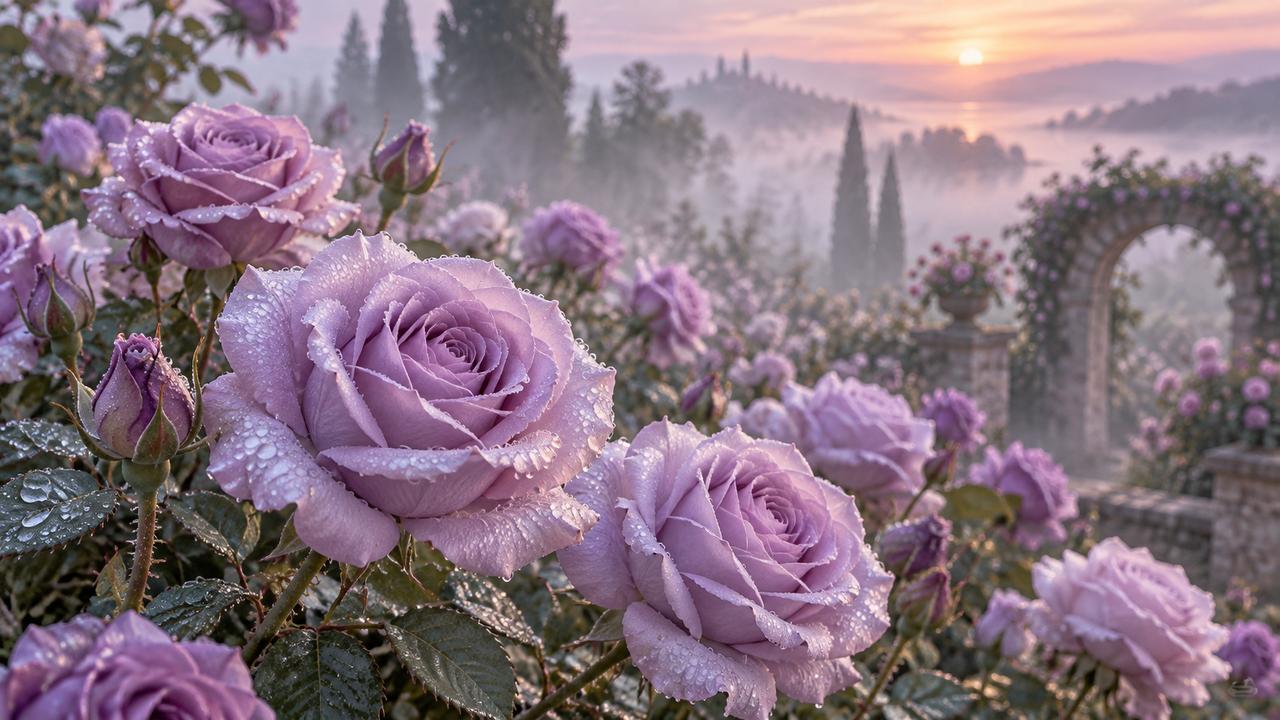
What Does a Lilac Rose Mean?
At its heart, a lilac rose conveys the feeling of being unexpectedly captivated. It suits the first chapter of attraction: the memorable meeting, the intriguing conversation, or the realization that another person possesses an unusual charm. Unlike red roses, which traditionally announce established passion, lilac roses leave room for possibility. Their symbolism is romantic without being possessive and expressive without appearing overwhelming.
- Enchantment: A sense that someone or something is irresistibly special.
- Love at first sight: Sudden attraction and the emotional spark of an unforgettable first encounter.
- Delicate fascination: Curiosity, admiration, and the desire to know someone more deeply.
- Elegance: Appreciation of grace, composure, taste, and individuality.
- Mystery: Recognition of an alluring personality that cannot be understood immediately.
- New romantic possibility: Affection in its earliest, most imaginative stage.
This ambiguity is part of the flower’s appeal. A lilac rose can be romantic, but it can also honor artistic talent, personal distinction, or an inspiring achievement. The recipient, occasion, accompanying flowers, and written message determine which meaning becomes most prominent.
Historical and Cultural Interpretations
Ancient civilizations revered roses, but true lilac-colored garden roses are largely products of later breeding rather than flowers familiar to classical Greece or Rome. Nevertheless, their symbolism draws from older attitudes toward purple. In the Mediterranean world and medieval Europe, purple dyes were costly, connecting violet shades with privilege, ceremony, and authority. Lilac softened those regal associations into a quieter message of tasteful distinction.
During the Victorian era, the language of flowers transformed bouquets into coded correspondence. Lavender-toned roses came to represent enchantment and singular beauty, complementing established rose messages such as red for passionate love and white for innocence. In modern Western floristry, lilac roses remain strongly associated with first impressions, dreamy romance, weddings, and sophisticated celebrations.
Cultural interpretation is never completely universal. In some European settings, purple may carry religious or memorial associations, while in contemporary East Asian floral design, pastel lavender roses are frequently valued for fashionable elegance, serenity, and visual rarity. The number of stems, local mourning customs, and the formality of the presentation can matter as much as color. When sending flowers across cultures, consulting a local florist is wiser than relying on color symbolism alone.
How Different Lilac Shades Change the Message
“Lilac” covers a broad family of tones. Florists may use the term for pale lavender, dusty violet, cool pink-purple, or even soft mauve roses. These distinctions subtly alter the emotional tone. Mauve varieties generally appear richer and more mature; readers exploring mauve rose symbolism will find stronger associations with luxury, affection, and cultivated beauty.
| Rose shade or presentation | Principal meaning | Best use |
|---|---|---|
| Pale lilac | Tender fascination and gentle beginnings | New romance, first dates, or a thoughtful surprise |
| Silvery lavender | Mystery, refinement, and calm admiration | Elegant birthdays, professional congratulations, or modern interiors |
| Pink-lilac | Sweet affection and romantic curiosity | Anniversaries, courtship, or affectionate friendship |
| Deep lilac or violet | Intense fascination, creativity, and distinction | Milestones, artistic achievements, or dramatic evening events |
| Lilac rosebuds | Potential and feelings beginning to unfold | A budding relationship or fresh opportunity |
When and to Whom Should You Give Lilac Roses?
Lilac roses are particularly appropriate at the beginning of a romance. They tell a new partner, “You have enchanted me,” without making the weightier promise implied by a dozen red roses. Include a brief card so that fascination is not mistaken for a declaration of permanent commitment. A message such as “Meeting you has been the loveliest surprise” preserves the flower’s graceful, exploratory tone.
They are equally suitable for a spouse or long-term partner when the intention is to celebrate enduring wonder. For a wedding, lilac roses evoke romance, individuality, and an almost storybook atmosphere. They also work beautifully for engagements, landmark birthdays, theatrical performances, graduations, creative launches, and congratulations offered to someone admired for unusual talent.
Modern etiquette favors sensitivity over rigid floral rules. Give an odd-numbered cluster where that is customary, choose a hand-tied bouquet for intimate occasions, and use a larger arranged display for public celebrations. Avoid sending an anonymous romantic bouquet in circumstances where mystery could create discomfort. For condolences, lilac roses may communicate reverent admiration, but confirm that purple tones are appropriate within the recipient’s religious and cultural tradition.
Companion Flowers and Bouquet Styling
Companion flowers can clarify or transform the lilac rose meaning. White roses, lisianthus, or ranunculus emphasize sincerity and ethereal elegance. Pink sweet peas and blush garden roses make the arrangement more openly romantic, while delphiniums add height and a cool, painterly quality. Clematis, scabiosa, and waxflower reinforce the impression of an enchanted garden.
For warmth, combine lilac roses with peach or apricot blooms. The welcoming associations described in apricot rose meaning soften lilac’s mystery and create an affectionate bouquet for hosts, friends, or family. Salmon roses introduce livelier emotion; understanding the salmon rose meaning helps balance friendship with energetic desire.
For a contemporary arrangement, pair lilac with eucalyptus, sage foliage, hellebore, or green hydrangea. A hint of mint green creates freshness and visual calm, echoing the harmony and good fortune associated with mint green rose significance. Use matte ceramic vessels, smoky glass, or loose silk ribbon rather than highly ornate containers, which can compete with the roses’ nuanced coloring.
Botanical Care and Vase Longevity
Fresh lilac roses generally last five to ten days in a vase, depending on cultivar, handling, and maturity. Select stems with firm petals, hydrated foliage, and outer buds that have begun to loosen. Some varieties naturally have darker or slightly marked guard petals; these protect the inner bloom and are not necessarily signs of damage.
- Clean the vase thoroughly to reduce bacteria.
- Recut each stem at an angle with a sharp, sanitized knife or floral shears.
- Remove all leaves that would sit below the waterline.
- Add commercial flower food and use cool, clean water.
- Change the water every two days and recut the stems as needed.
- Keep the arrangement away from direct sun, heaters, drafts, and ripening fruit.
Gardeners seeking lilac roses should choose cultivars suited to their climate and expect color to vary with temperature, sunlight, and soil conditions. Unlike hydrangeas, roses do not reliably change from pink to lavender simply because soil pH is altered. Provide at least six hours of sun, fertile well-drained soil, consistent deep watering, good air circulation, and cultivar-appropriate pruning. Pale blooms may scorch in extreme afternoon heat, so light shade can be beneficial in very hot regions.
The Enduring Message of Lilac Roses
The lilac rose expresses a rare emotional moment: the instant admiration becomes enchantment and possibility begins to bloom. Its layered associations with first impressions, elegance, mystery, and delicate fascination make it more nuanced than a conventional romantic rose. Whether presented to a new love, an accomplished friend, an artist, or a lifelong partner who still inspires wonder, it says that the recipient is not merely appreciated but genuinely captivating. Chosen in the right shade, paired thoughtfully, and accompanied by sincere words, lilac roses turn an ordinary gift into an eloquent message of discovery.